Founder Interview
Annie Jeong
For anyone who wants to become an automotive designer, I’d say focus on building strong fundamentals and stay patient with your growth. This industry is very competitive, and…
Hey! So nice to speak with you! Can you tell our readers a little bit more about yourself? Where are you originally from and where do you live now?
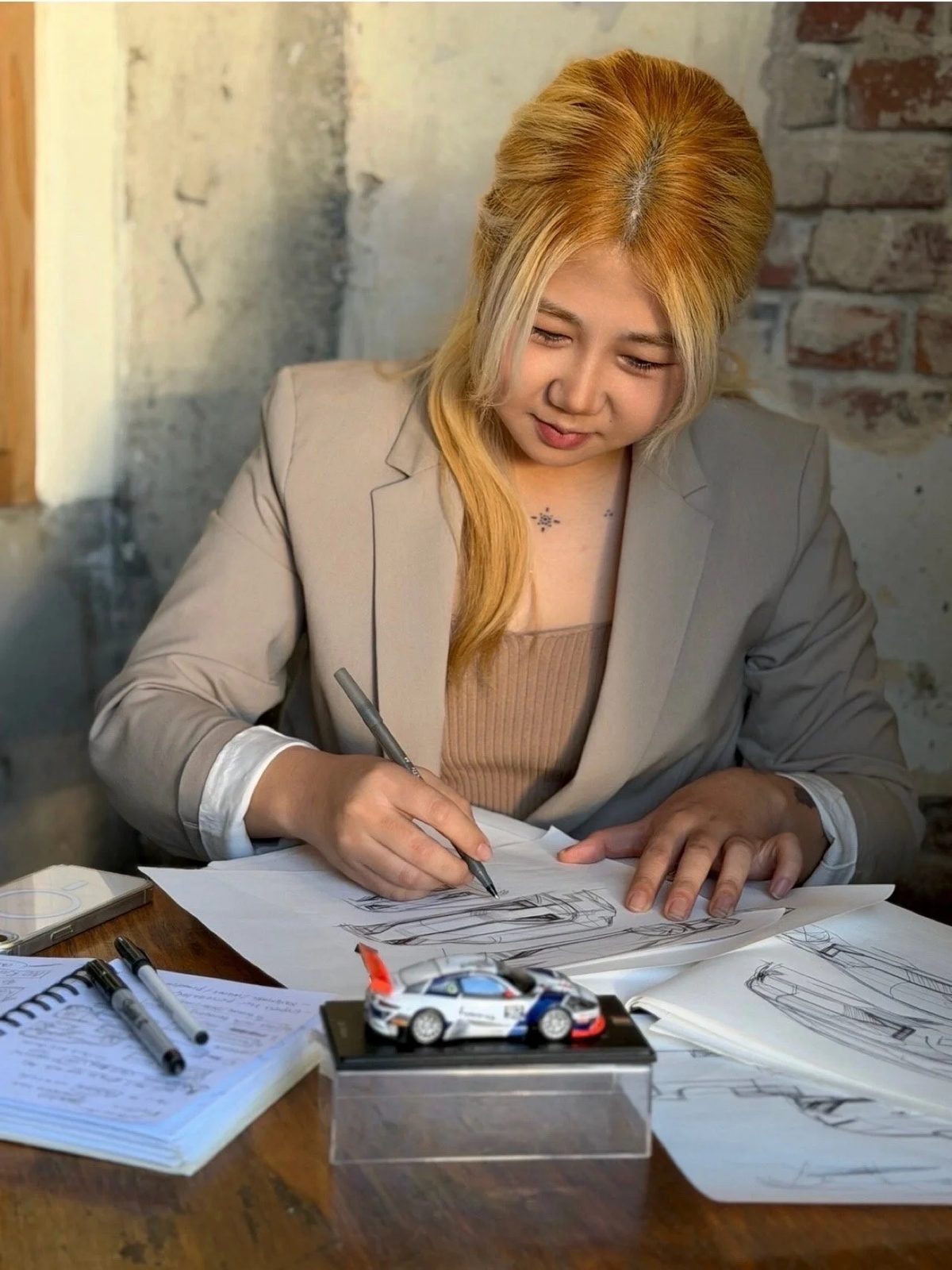
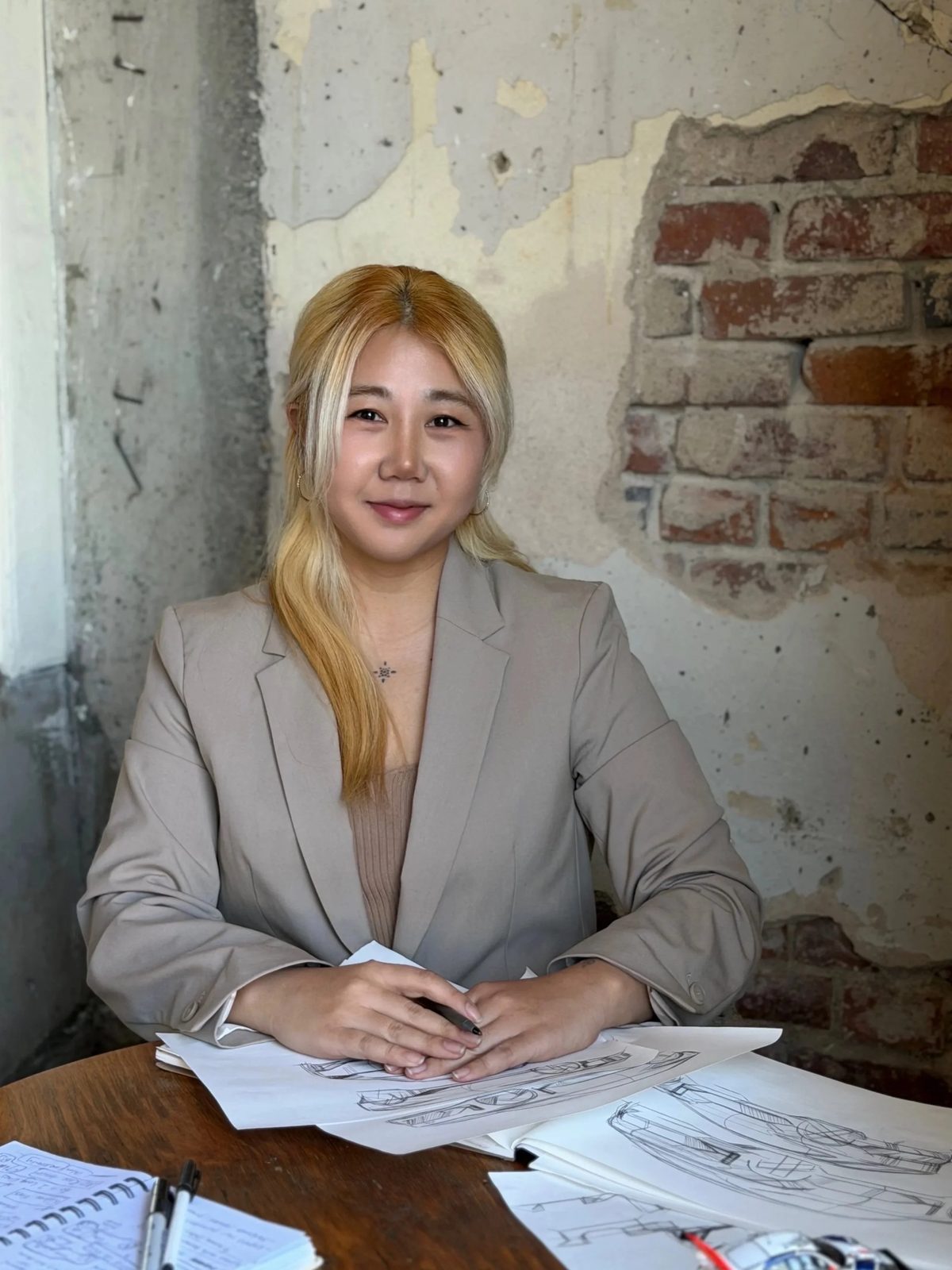
So nice to meet you too! My name is Annie Jeong. I’m originally from South Korea, and I moved to the U.S. to study design. I went to Art Center College of Design, majoring in Transportation Design. I currently live in California and work as an automotive exterior designer at General Motors. Over the course of my career, I’ve had the opportunity to work with Volvo and GAC, which gave me valuable experience across different cultures and design philosophies. Those experiences really shaped how I think about design today—both creatively and strategically. I’m especially interested in how global perspectives, technology, and human-centered thinking come together in automotive design.
What's one thing you love about where you live now?
I really appreciate the balance California offers. The environment encourages both hard work and taking time to reset, which is important for creativity.
Tell us a little bit more about your role as an exterior car designer.
As an exterior car designer, my role is to shape the overall visual identity and character of a vehicle. I work on everything from early concept sketches to refined surfaces, always balancing creativity with engineering, safety, and manufacturing requirements.
I also collaborate closely with engineers, brand teams, and leadership to make sure the final design not only looks compelling, but also aligns with the brand vision and business goals.
What has been one of your biggest struggles building your career, and how did you deal with it?
One of my biggest struggles was building confidence early in my career, especially in a highly competitive and fast-paced industry. Learning to receive feedback without taking it personally was challenging at first.
Over time, I realized that feedback is not criticism—it’s part of the process. I focused on continuous learning, improving my communication, and trusting my growth. That mindset shift made a big difference.
Where do you see your industry in the future?
The automotive industry is moving toward a more holistic approach to design. It’s no longer just about the exterior form, but about how vehicles integrate technology, sustainability, and user experience.
AI and digital tools will play a bigger role in speeding up exploration and development, but human intuition and cultural understanding will remain essential. Designers will need to think more strategically and globally than ever before.
What does “good design” mean to you beyond aesthetics?
Good design goes beyond how something looks—it’s about how it works, how it feels, and how it fits into people’s lives. A well-designed product solves real problems, communicates a clear purpose, and creates an emotional connection with the user. If it only looks good but doesn’t improve the experience, it’s not truly good design.
How has your mindset changed over time?
Earlier in my career, I focused a lot on proving myself and getting things right. Over time, my mindset has shifted toward collaboration, learning, and long-term impact. I’ve learned that growth comes from listening, adapting, and staying patient. Experience taught me that confidence builds naturally when you focus on continuous improvement rather than perfection.
What advice would you give to anyone who wants to become an automotive designer?
For anyone who wants to become an automotive designer, I’d say focus on building strong fundamentals and stay patient with your growth. This industry is very competitive, and progress takes time. Stay curious, accept feedback, and don’t be afraid to keep learning—both creatively and technically. Most importantly, don’t compare your timeline to others.
This career requires passion, discipline, and resilience. Your portfolio matters, but so does your attitude and ability to collaborate. Be open to criticism, keep improving your skills, and understand that rejection is part of the process.
If you were to start your own business in the future, what kind of venture would you want to create, and why?
If I were to open a business, I’d want to create a design-focused studio or platform that combines creativity, technology, and education. I’m especially interested in how AI can support designers in the creative process while also helping young creatives learn design thinking beyond just aesthetics. It would be a space focused on growth, experimentation, and future-ready design.