Founder Interview
Bridget Willard
Make sure you understand that starting a business isn’t just replacing your job. You’ll do the “job” you once had as well as BizDev, Accounting, Marketing, Customer Service, and…
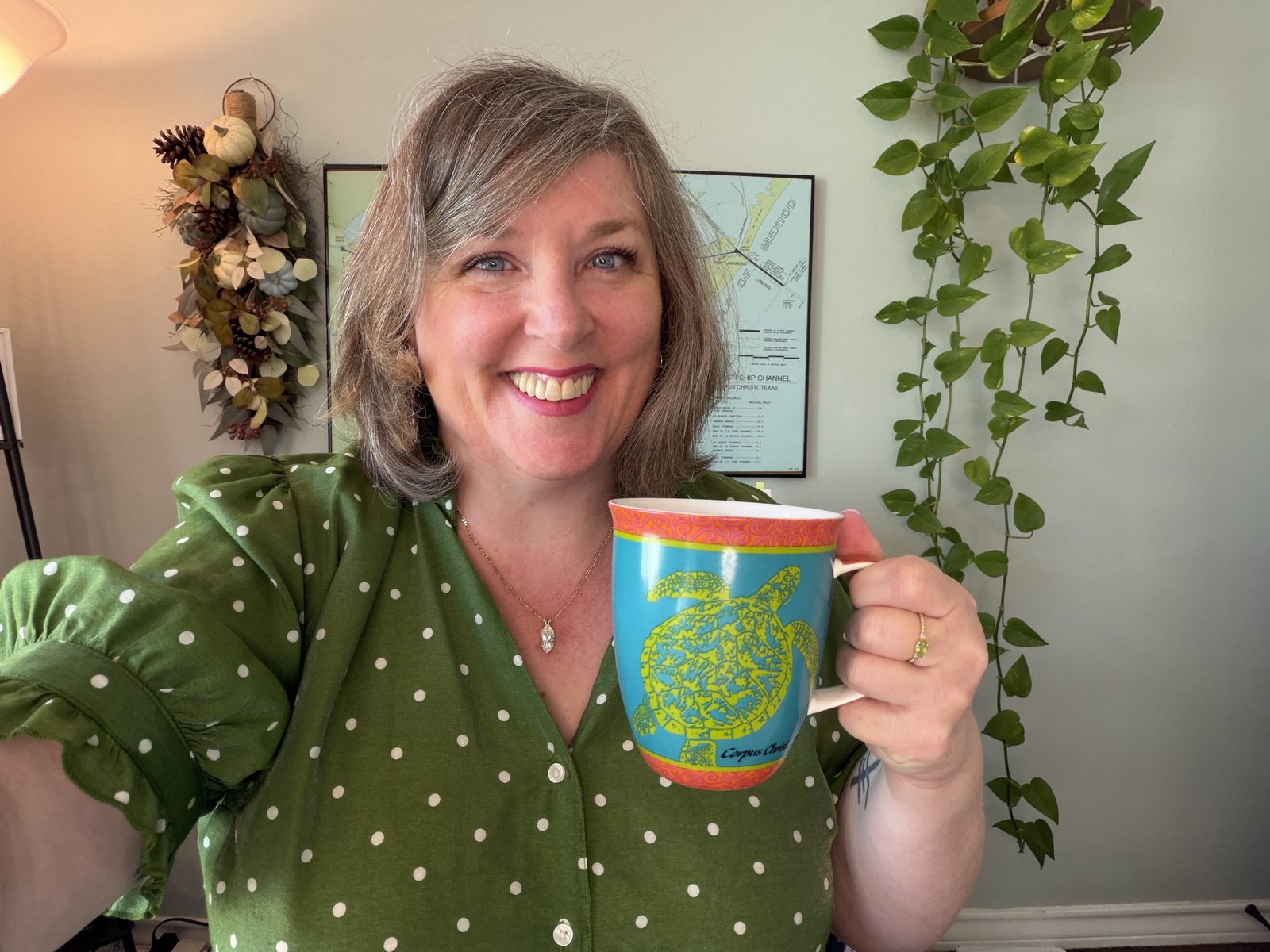
So nice to meet you! First off, what’s your name? Tell our readers a bit about yourself: where you’re from originally and where you live now.
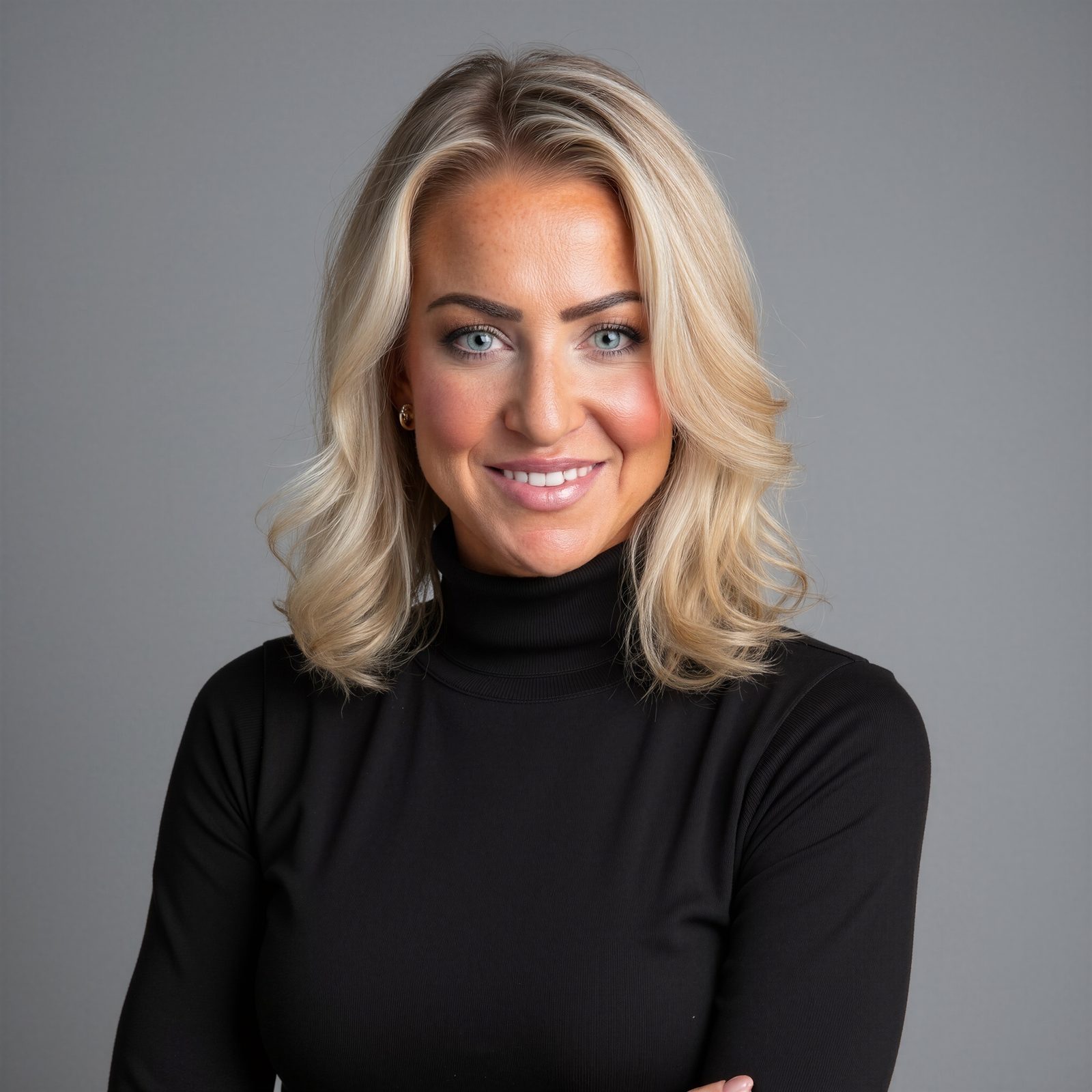
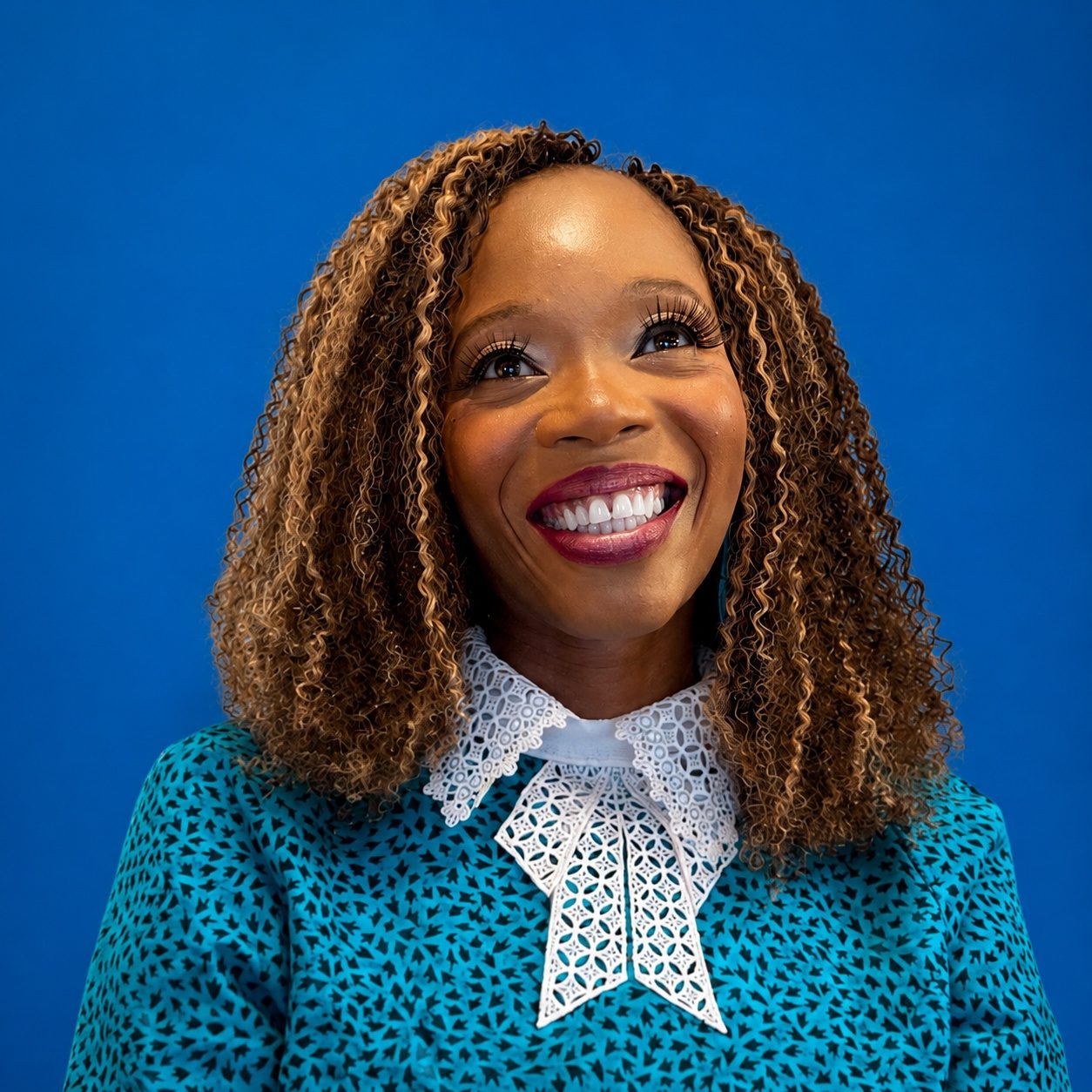
My name is Bridget Willard. I’m a SaaS marketing strategist and the founder of Bridget Willard, LLC. I help SaaS and technology companies become recognizable to the people most likely to buy from them through organic social media, content, and marketing strategy.
I’m originally from California and spent most of my life there before moving to Texas in 2020. I’m now based in Corpus Christi, Texas.
My career has taken a pretty unconventional path. I’ve worked in everything from commercial trucking, construction, and accounting to teaching, retail, and technology. I eventually found my way into the WordPress and SaaS world, where I realized that a lot of what I’d learned about psychology, customer behavior, communication, and business could come together in marketing.
Today, I think of myself as a translator between products and their audiences. Founders often know their products incredibly well, but that doesn’t always mean their customers immediately understand why they should care. I help bridge that gap.
Tell us one thing you love about where you live now.
I love being near the water. Corpus Christi sits right on the Gulf Coast, so the bay and the beach are part of everyday life here. I can take a walk along Corpus Christi Bay or drive out to the Island to walk on the shore when I need to get out of my own head.
After spending most of my life in beach towns, being near the water still feels like home to me. Texas is very different from California, but having the coast nearby gives me that sense of familiarity.
Tell us a little more about what your company does and how it started. How does it help your customers?
Bridget Willard, LLC is a SaaS marketing consultancy. I primarily work with bootstrapped and growing SaaS companies that have a good product but need help becoming recognizable to the people most likely to buy it.
The company really started out of necessity. When my job with a WordPress software company ended in 2017, I was recently widowed and didn’t have a second income or life insurance to fall back on. I started looking for another job, but quickly realized the companies in my network couldn’t afford to hire me at the salary I needed.
So I built my own job.
My late husband used to say, “A fast nickel beats a slow dime.” I started taking the skills I already had and finding people willing to pay for them. Because I had a background in B2B collections, some of my earliest clients were WordPress agencies that hired me to collect overdue invoices. From there, the business evolved into social media, content, consulting, and marketing strategy. I formalized Bridget Willard, LLC after moving to Texas.
Today, my specialty is organic marketing, particularly on X (Twitter). I manage brand accounts, write articles, create educational content, and work directly with founders on positioning and strategy. In a lot of ways, my clients aren’t just hiring me to post on X; that’s just the way they got access to my marketing brain.
My philosophy is Recognition → Trust → Sales. People are much more likely to buy from a company they recognize and trust. You build that recognition by consistently showing up where your customers already are, participating in conversations, answering their questions, and demonstrating that you understand their problems.
That’s how I help my customers. I pay attention to what their market is telling us. A support question can become an article. A sales objection can uncover a positioning problem. A conversation on X can become a relationship that eventually becomes a customer.
There’s no hack for trust. My job is to help good companies become known, understood, and trusted by the right people.
If someone wants to start a business, what advice would you give them?
Make sure you understand that starting a business isn’t just replacing your job. You’ll do the “job” you once had as well as BizDev, Accounting, Marketing, Customer Service, and Janitorial.
It’s hard. There were many tears, especially in the very beginning. After my first year, I wrote an article titled “One Year In: Running Your Own Business is Hard — There Were Tears.” I wrote then that running a business as a “pay-the-rent hustle” isn’t the romanticized version of entrepreneurship you see on Instagram. Almost nine years later, I stand by that.
Know your costs. One of the lessons I learned early was that pricing a service at $250 a month sounds fine until you do the math and realize you’ve created a minimum-wage job for yourself. I came from construction accounting, so I reverse-engineered the salary I needed and built a budget around the actual cost of running my business.
Be willing to adapt, too. My business today doesn’t look exactly like the business I started in 2017. I’ve changed services, pricing, clients, and positioning as I’ve learned what I’m good at and what the market needs. I’ve taken part-time jobs when I’ve needed to. There’s no shame in doing what you need to do to keep the business—and yourself—alive.
Learn to say no. You don’t need every client, and every dollar isn’t necessarily good revenue. Specializing gives you room to become really good at something and refer the rest to people who are better suited for it. I might even say specialize or die. Don’t try to be like everyone else.
And keep marketing yourself. In that first-year article, I wrote, “The best way to get work is to do work.” That’s still true. My website, articles, videos, and X account aren’t separate from my business. They’re evidence of how I think and how I work.
Maybe the simplest advice from that article is still the best: stay teachable.
Running a business will teach you things about money, people, your industry, and yourself that you couldn’t have anticipated when you started. Pay attention.
What is one piece of feedback from a happy customer or client that you won't forget?
One piece of feedback I’ll never forget came from Michelle Keefer, who I worked with at Pressable. She said I helped their brand develop “an organic, deep connection within the WordPress community” that became a foundation they could build upon.
What meant even more to me was that she said I’d tell them what I thought was best even when it wasn’t necessarily what they wanted to hear, challenge them to think more broadly about their goals, and bring storytelling into their content strategy.
That has stuck with me because it describes what I want my work to be.
I’m not interested in being hired just to push buttons, fill a content calendar, or make an account look busy. I want to understand the company, the product, the customers, and the community around it. Sometimes that means telling a client, “I don’t think that’s the right approach.”
Michelle wrote that recommendation years ago, long before I started describing my marketing philosophy as Recognition → Trust → Sales. Looking back, though, that’s exactly what we were doing. We were building genuine relationships so the brand became recognized and trusted within its community.
When a client remembers the relationships you helped them build—not how many posts you published—that’s meaningful to me.
Where do you see your company in the future?
Software companies will always need marketing because founders will always need translating. Essentially, that’s what I do.
Over the next five years, my goal is to build enough recurring client work to keep both myself and my writing partner, Warren Laine-Naida, busy—and eventually create opportunities for some of his students to work with us as vendors as well. There is plenty of work for everyone. I don’t necessarily want to build a huge agency. I’d rather build a strong network of talented people doing good work for companies we believe in.
Technology will change what that work looks like. I’m not going to lie: I was very afraid of ChatGPT in 2023. I lost thousands and thousands of dollars in writing work as companies experimented with AI-generated content.
But that’s when you punt.
Fourth and 14? Punt. Do what you can, adjust your field position, and keep playing.
Now, at the end of 2026, I’m seeing clients value human writing and strategy again. Generating words was never the hardest part of content marketing. Knowing what to write about is harder. You have to understand what your audience cares about, what confuses them, what they’re asking, and what prevents them from buying.
I learn that by paying attention. I read the conversations people are having on X. When clients give me access, I look at support questions and sales objections. Those are signals telling us what customers actually need—not what we hope they need.
That’s also why I’m optimistic about the future of my company. AI can change the tools we use, but understanding human behavior is still fundamental to marketing.
I figure I have a good 17 years ahead in my career as a strategy partner for SaaS companies. I’m looking forward to helping companies become recognizable and trusted, watching future clients grow, and hopefully seeing more of them get acquired—just like some of the companies I’ve had the privilege of working with in the past.
What is the biggest misconception about your industry?
The biggest misconception about my industry is that “everyone is in marketing.” You are not, sir. Respectfully, of course.
Marketing is both a soft skill and a technical skill. It’s about human behavior. It’s understanding that you are not your own audience. It requires curiosity, self-awareness, empathy, and teachability—as well as knowing how to use the tools available to you.
Marketing isn’t dancing on TikTok, connecting your website to Buffer’s MCP server, or pushing a button in an app. Those are tactics and tools. Knowing how to operate them doesn’t mean you know why, when, or whether you should use them.
I see this especially with SaaS founders who are highly technical engineers. Because they can use marketing software, they sometimes assume they know what to use it for. But being proficient with a tool and being proficient in the discipline are two very different things.
I can walk into Home Depot and buy the exact same hammer a professional framer uses. That doesn’t mean I can build a house.
The same is true in marketing. The hard part isn’t publishing the post, sending the email, or generating the article. The hard part is understanding the person on the other side of it: What do they care about? What problem are they actually trying to solve? What language do they use? Why should they trust you?
The tools will continue to change. Human behavior changes much more slowly. That’s why marketing still requires marketers.
What has been one of your biggest struggles building your business, and how did you deal with it?
One of my biggest struggles has been dealing with the financial uncertainty of building a business by myself as a single woman, going on ten years now.
I’m a widow. There’s no spouse or partner with another income to absorb a bad month. When a client leaves, a contract ends, or the industry changes, I still have rent, health insurance, and all the other expenses of being a human being.
There have been times when I’ve taken other jobs to subsidize my business. In 2018, I worked part-time at a travel agency. More recently, I spent three-and-a-half years working in retail while continuing to serve my marketing clients.
For a while, I struggled with what that meant about me. Was I really a successful business owner if I needed a retail job?
Eventually, I realized I was asking the wrong question. The fact of the matter is that I’m a single woman living in a double-income household.
The job wasn’t evidence that my business had failed. It was a tool that allowed me to keep my business alive – and it has been continuously running for nine years. I did what I needed to do while continuing to write, market myself, serve my clients, and figure out what came next.
That’s probably the biggest lesson I’ve learned from running a business: adapt without abandoning yourself.
Sometimes entrepreneurship looks like landing a huge client. Sometimes it looks like taking the job you need while continuing to build the career you want. Sometimes it means changing your services, raising your prices, or admitting that something isn’t working anymore.
I’ve learned not to confuse a difficult season with the end of the story. You keep showing up. You keep paying attention. You adjust. And then you keep going.
What was your favorite music artist and athlete growing up?
I’m full-on Gen X, so of course Michael and Janet Jackson were huge. I’ll never forget watching MTV launch. Music was a really big part of growing up for me.
I was obsessed with Level 42—I even got to see them open for Tina Turner in Oakland. I also loved the David Grisman Quartet, hair bands, pop, rock. We all thought we were rappers like LL Cool J, Run-DMC and MC Hammer, and everyone was trying to breakdance. Really, I was all over the place musically. If it was good, I liked it.
Athletes weren’t really on my radar in the same way back then, but growing up in Northern California, we absolutely watched the 49ers during the Joe Montana and Jerry Rice glory days. Those names were just part of the culture.
So my childhood soundtrack was probably some combination of Michael Jackson, Level 42, big hair and guitar solos—with Joe Montana throwing a football to Jerry Rice somewhere in the background.
Any shoutouts you want to make?
First, my writing partner, Warren Laine-Naida. Warren and I have worked together for years, and he’s one of those rare people who makes collaboration easy. We exchange ideas, edit each other’s work, talk through marketing problems, and occasionally remind each other that we’re not crazy. Oh, and we’ve written four books together. My hope is that as my business grows, I can create more opportunities for us to work together and eventually bring some of his students into projects as well.
I’d also give a shoutout to my longtime mentor, Larry Mooshagian. Having someone in your life who will listen, challenge your thinking, and remind you what you’re capable of—especially during the seasons when you’ve forgotten—is incredibly valuable.
In that same vein, I would include Rob Cairns, podcaster and friend, who has been gracious enough to invite me to be a regular guest on The SDM Show.
Another shoutout goes out to the Twitter Pink Ladies: a group of us who started in construction and manufacturing engineering who supported the heck out of each other. And still do. Carol Stephen, Amy Donohue, Pam Aungst Cronin, Wendy La Placa, Tracy Phillips, Beth Staub, Tess Wittler, Ginny Powell, Ruby Rusine, Deirdre Booth, Bridget Mahov, Roxanne R. Roark, Kendra Hubbard, Cyndi K. Ricca, Kirti Dwivedi, and, last but not least, Heather Baker Steele. I love you all.
Of course, I have to acknowledge the greater WordPress community. I entered that world in 2013 with my first WordCamp (Orange County). So much of my career grew out of the relationships I made there. Clients became friends. Colleagues became referral partners. People recommended me for opportunities, invited me to speak, hired me, taught me things, and trusted me with their brands.
That’s probably fitting for someone whose entire marketing philosophy eventually became Recognition → Trust → Sales.
Businesses don’t grow because one person does everything alone. Mine certainly didn’t. There are a lot of people whose fingerprints are on my career, and I’m grateful for them.
Where can our readers learn more about you and your company?
The best place to learn more about me and my work is my website, BridgetWillard.com. That’s where you’ll find my services, articles, case studies, pricing, and more about how I approach SaaS marketing.
I’m also very active on X (Twitter), where I talk about SaaS, marketing strategy, human behavior, social media, and whatever else has my attention that day.
You can also find my videos on YouTube and connect with me professionally on LinkedIn.
If you really want to understand how I think, though, read my website and follow me on X (@BridgetMWillard). That’s where you’ll find me doing the work in public as a living case study.