Founder Interview
Constantin de Slizewicz
Always believe in your dreams and follow your passion. My own adventure began by reading the stories of explorers such as Alexandra David-Néel, Joseph Rock, André Guibaut and…
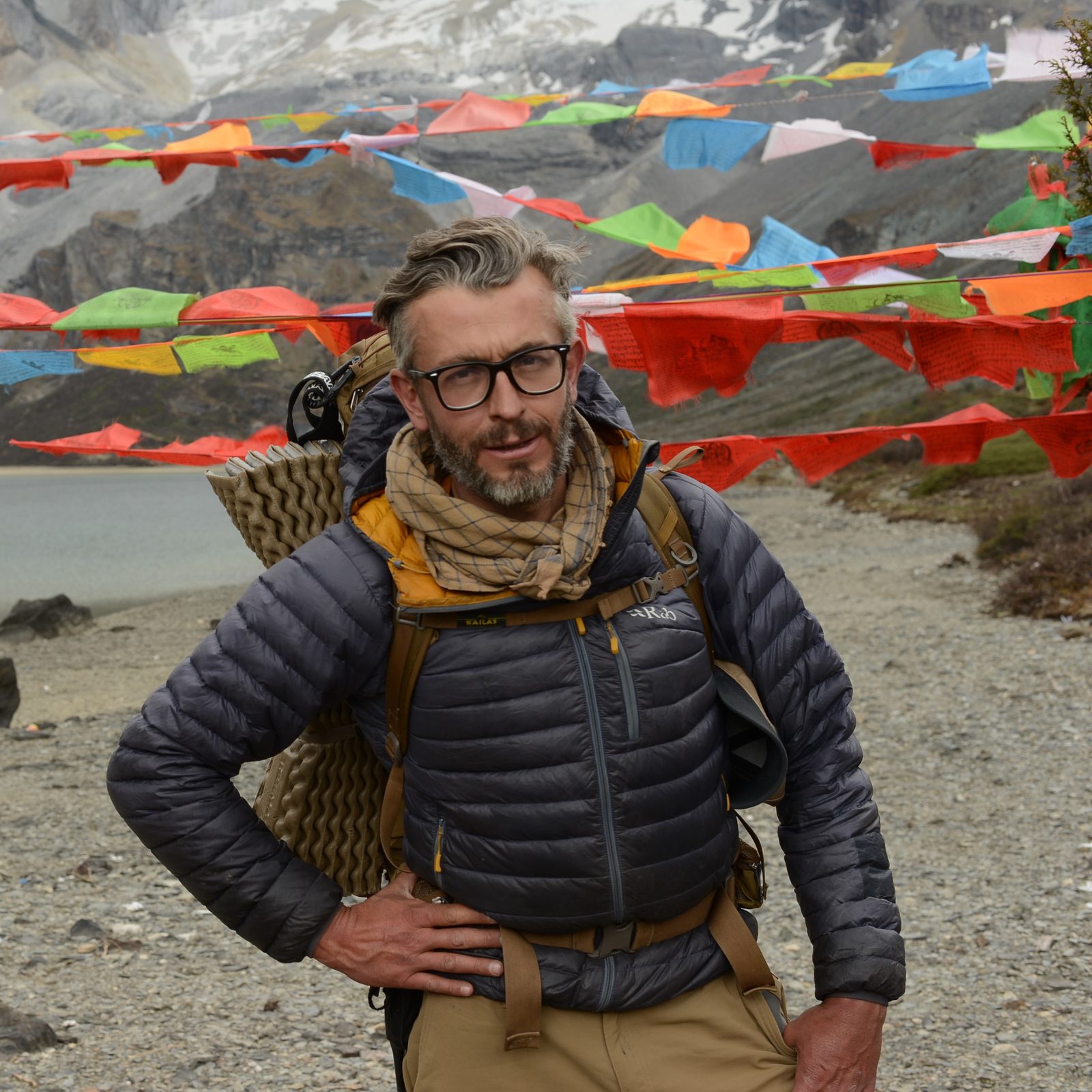
So nice to meet you! First off, what’s your name? Tell our readers a bit about yourself—where you’re from originally and where you live now.
My name is Constantin de Slizewicz. I’m French, originally from France, and my life has been closely connected to China for almost 30 years, particularly Yunnan and the Tibetan regions.
I first arrived in Shangri-La in 2010, and over the years it became an important part of my life. Today, I divide my time between France and Shangri-La, where I founded Mission Liotard and Caravane Liotard.
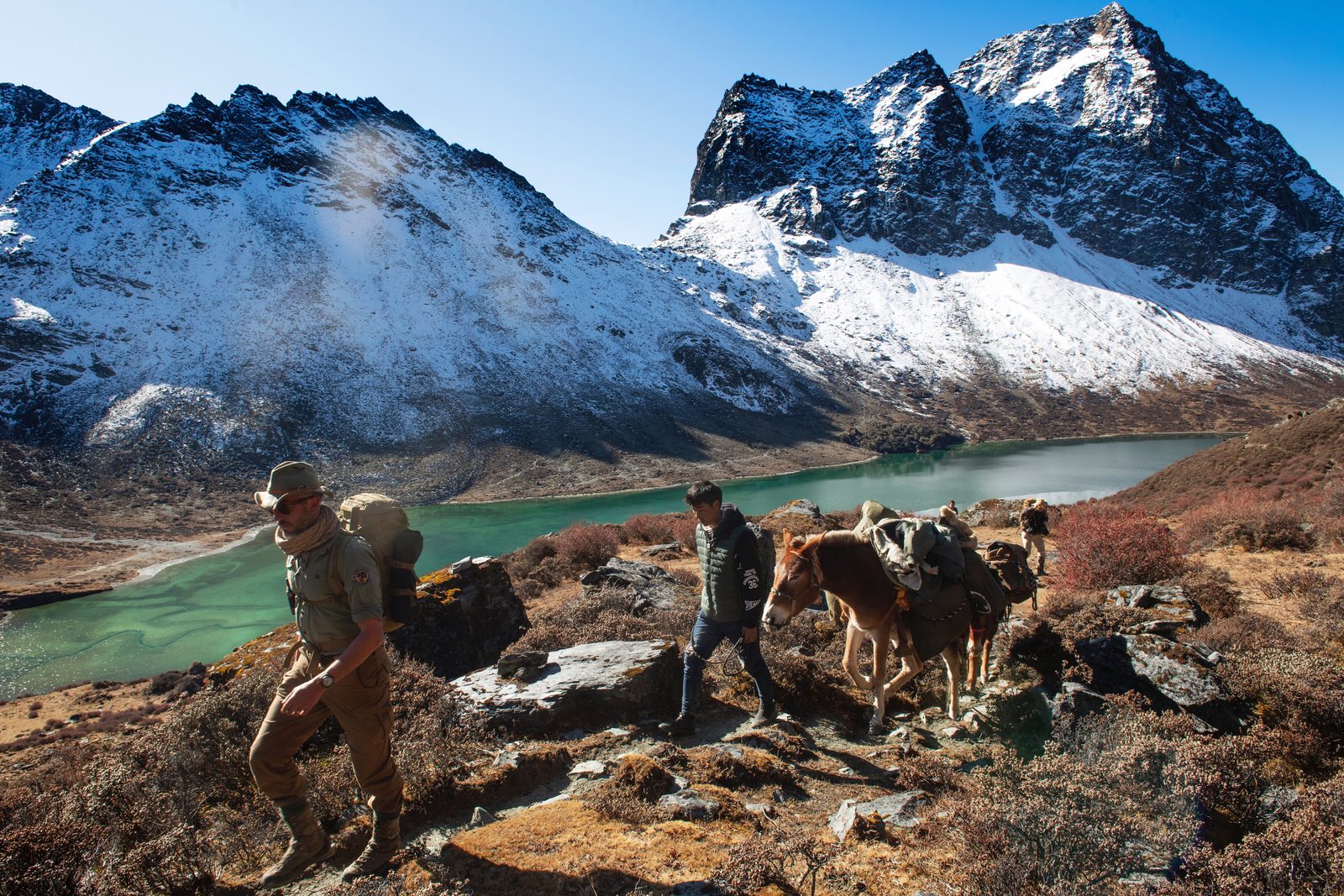
Our work is centered around slow travel, exploration, and creating meaningful journeys on foot and with mule caravans through some of the most remote mountain landscapes of the region.
After all these years, Shangri-La is much more than a place where I work. It is a place where I have built friendships, projects, and a large part of my life.
Tell us one thing you love about where you live now.
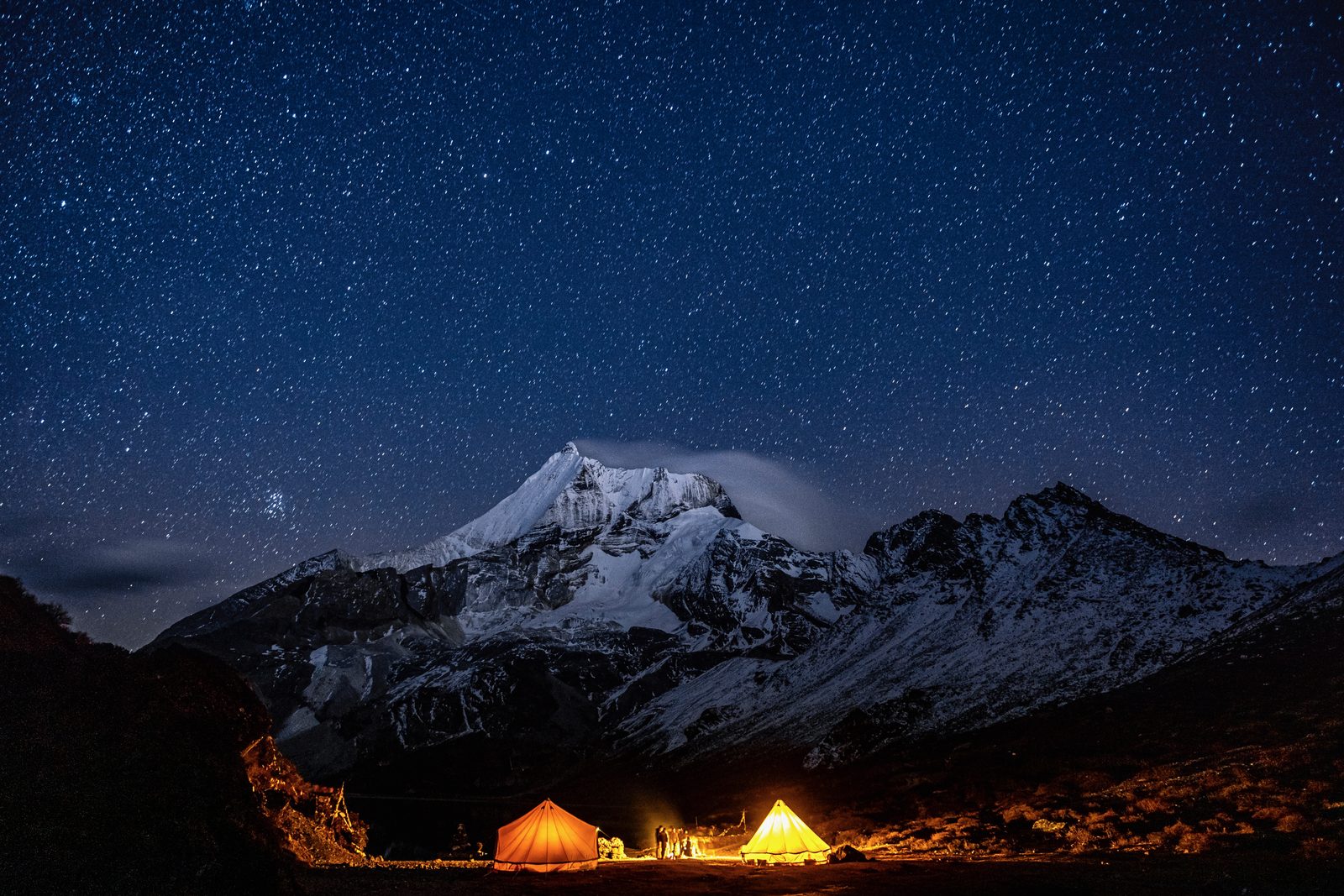
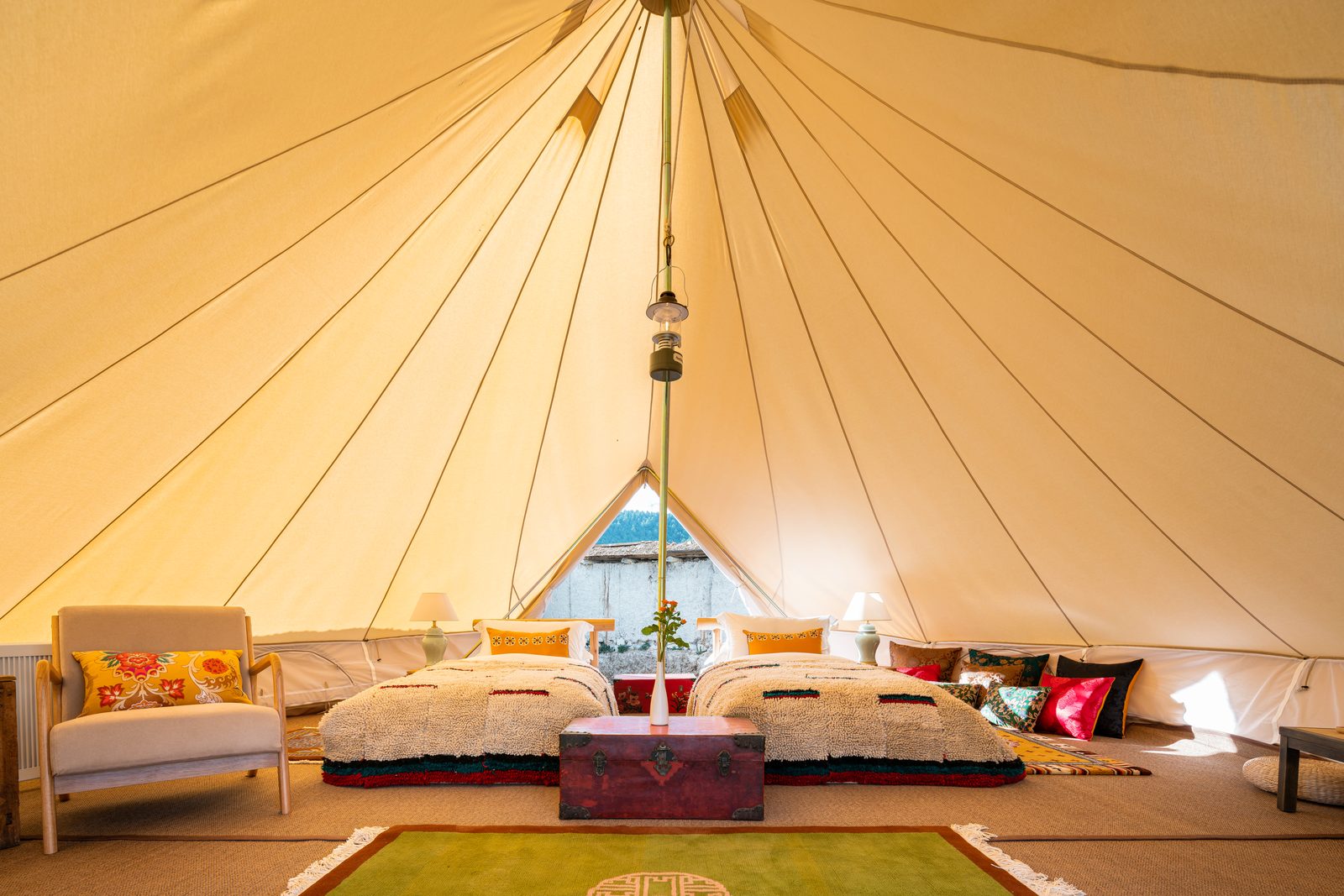
What I love most about living in Shangri-La is walking through the mountains with my Tibetan friends, accompanied by mules and horses. Travelling slowly through these vast landscapes, following ancient trails, makes me feel as though I am stepping back in time. But we do it with all the comfort of a beautifully organised camp: spacious tents, generous meals, furniture and carefully chosen decoration, and above all, an incredible team. All these details come together to remind me that travelling can truly be an art.
Tell us a little more about what your company does and how it started. How does it help your customers?
Before Shangri-La, I had been living in Kunming since 2000, working as a photojournalist and writer. I published three books and spent much of those years travelling and sharing time with the many ethnic communities of Yunnan. There are 26 officially recognised ethnic groups in the province.
What fascinated me was how, despite the extraordinary changes taking place in China, many of these communities had managed to preserve their traditions and a different relationship with time. Moving at the pace of a buffalo or a yak, and living in places where hospitality was not simply a gesture, but the very essence of a way of life.
When I arrived in Shangri-La in 2010, I found this spirit particularly powerful in the Tibetan mountains. I spent years exploring old trails with local guides, horsemen and muleteers. I was fascinated by the idea of travelling through these mountains as Western explorers did at the end of the 19th and beginning of the 20th century, moving slowly with horses and mule caravans into remote valleys. This spirit of exploration eventually gave birth to Caravane Liotard.
The idea was to revive the spirit of those old caravans, but to combine this timeless way of travelling with comfort and elegance. Spacious tents, comfortable bedding, furniture, generous meals and, above all, a wonderful local team.
Today, through Caravane Liotard and Liotard Farm, we offer our guests something increasingly rare: time. Time to walk, to meet people, to understand a landscape and its culture, and to disconnect from the speed of modern life.
For us, travel is not about going faster or further. It is about rediscovering the art of travelling.
If someone wants to start a business, what advice would you give them?
Always believe in your dreams and follow your passion. My own adventure began by reading the stories of explorers such as Alexandra David-Néel, Joseph Rock, André Guibaut and Louis Liotard. Their journeys made me dream and inspired me to pursue what might have seemed like a crazy project.
Louis Liotard, who tragically died during an expedition in Tibet in 1940, particularly inspired me. I chose to name my company after him as a tribute to his spirit of exploration.
I believe that if you have a dream and a real passion, you should have the courage to follow them. Sometimes the craziest ideas are the ones that give the most meaning to your life.
What is one piece of feedback from a happy customer or client that you won't forget?
One of the most memorable things a guest told me was that, in a world that is slowly losing its connection with nature and with the idea of slowing down, Caravane Liotard feels like an antidote, almost like a time machine.
I think that describes what we try to create perfectly. But there is one problem with this adventure: our guests arrive as clients and leave as friends. And many of them come back, so the story continues.
Where do you see your company in the future?
In the future, we would like to develop new caravans in other parts of China, exploring different landscapes and cultures while keeping the same philosophy of slow travel, adventure and encounters.
In 2020, we also created Les Équipées Liotard in the Vercors mountains in France, which has grown very successfully and shown us that the spirit of the caravan can travel far beyond Shangri-La.
Our dream now is to take this concept even further, perhaps one day to New Zealand, Kyrgyzstan or the United States.
But my personal dream is to create caravans with camels and yaks, crossing deserts and the immense high-altitude steppes of northern Tibet. To me, this would be the continuation of the same dream: travelling slowly through vast landscapes, following ancient routes and bringing back the spirit of the great caravans and explorers.
What is the biggest misconception about your industry?
I think the biggest misconception is that adventure has to be uncomfortable. People often imagine that exploring remote mountains means sacrificing good food, comfort and beauty.
For us, it is exactly the opposite. You can spend the day walking through wild landscapes with horses and mules, far from roads and modern life, and arrive in the evening to a beautiful camp, a spacious tent, a comfortable bed and a generous dinner.
And it is precisely in these moments that the price and, more importantly, the value of things begin to take on a different meaning. A warm meal, a comfortable bed, a fire, a glass of wine, or simply the attention of our team suddenly become precious.
Adventure and comfort are not opposites. Together, they can make us appreciate again the true value of simple things.
What has been one of your biggest struggles building your business, and how did you deal with it?
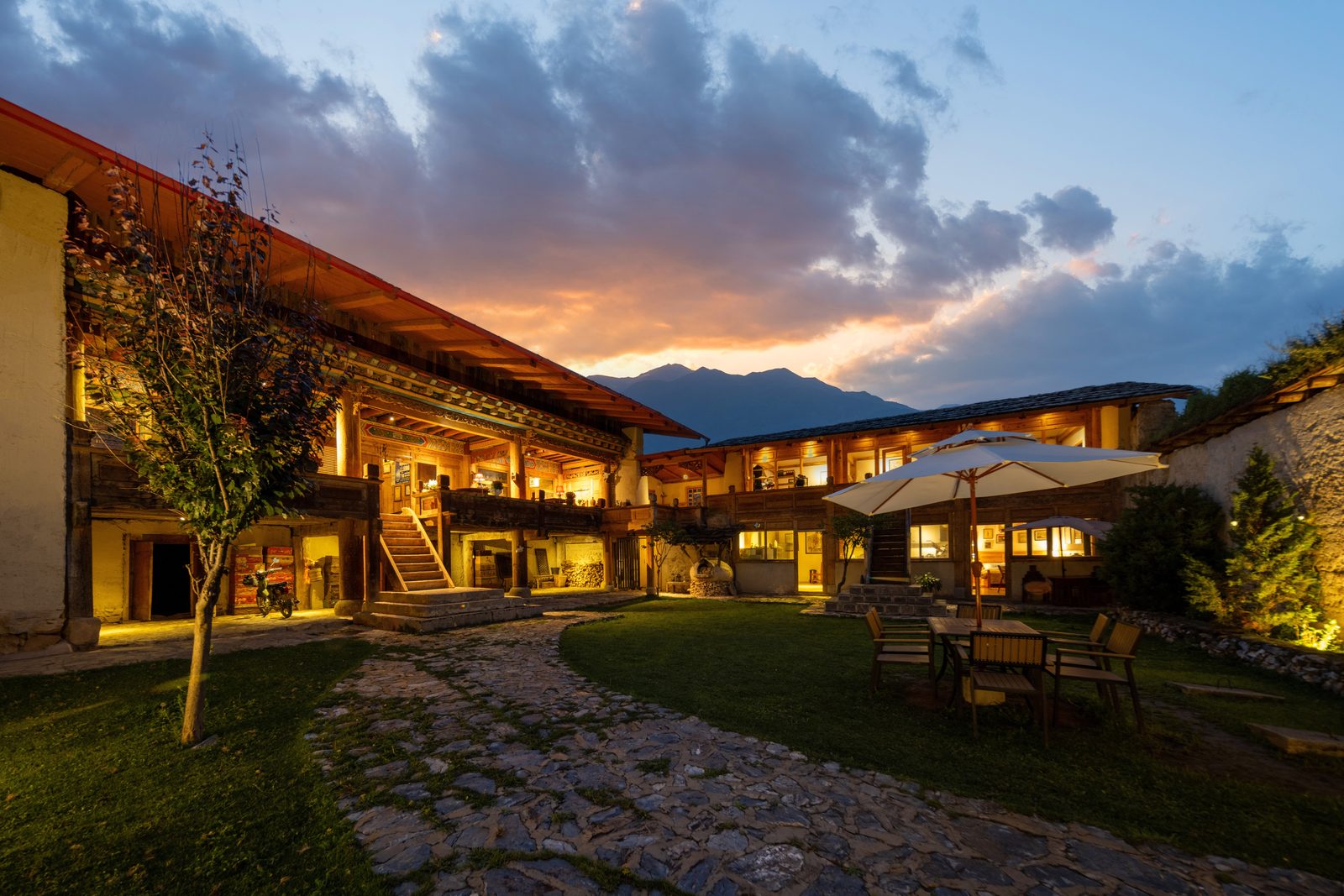
One of our biggest challenges was restoring an old Tibetan farmhouse with my wife Phoebe in 2012. At that time, Shangri-La was still extremely isolated, and renovating a traditional house in such a remote place was far from easy.
Our son Konrad was born in Europe and arrived in Shangri-La when he was only five months old. At the time, you could not even find diapers locally! It gives you an idea of how different life was there.
But these difficulties also became part of our story. Our passion for the place helped us through the challenges, and little by little we became part of the local community. We learned from our Tibetan neighbours, shared daily life with them and built friendships that have lasted over the years.
In the end, adversity was also what helped us truly become part of Shangri-La.
Who was your favorite music artist and athlete growing up?
Growing up, I always loved Pink Floyd and The Doors. Perhaps because their music seemed to come from somewhere else. It invited you to travel inward as much as outward, and somehow reminded me of the atmosphere I found in the literature of Joseph Conrad.
As for athletes, I was never really inspired by sportsmen in the traditional sense. My heroes were adventurers, sailors and travel writers. I would rather name Bernard Moitessier, the great sailor and writer, or authors such as Jack London and Jack Kerouac. They represented freedom, adventure and the desire to go beyond the horizon, which probably influenced the life I chose later.
Any shoutouts you want to make?
First of all, I would like to remember Guillaume de Penfentenyo, with whom I started the Caravane Liotard adventure in 2011. He tragically passed away on January 1st, 2021, but he remains deeply connected to the story and spirit of Caravane Liotard.
My wife Phoebe, originally from Dorset, was also there from the very beginning in 2011. She shared the dream, the difficulties and the adventure with me, and without her, none of this would have been possible.
And finally, my Tibetan team and partners in Shangri-La, especially William, Loson and Gongpo. Over the years, we have shared much more than work. We have shared mountains, difficult moments, laughter, meals, adventures and, above all, a dream.
Caravane Liotard was never the story of one person. It is a collective and deeply human adventure, and this entire project is dedicated to them.
Where can our readers learn more about you and your company?
Readers can learn more about us through our website, available in English:
Website: www.caravane-liotard.com/en/
Instagram: @caravane_liotard (www.instagram.com/caravane_liotard)
Facebook: Caravane Liotard (www.facebook.com/profile.php?id=100057086544275)
We regularly share images and stories from our caravans, explorations and life in Shangri-La.
I have also written three books about my experiences and travels in China. Unfortunately, they are currently only available in French, but I hope that one day they will be translated into English and allow a wider audience to discover these stories.