Founder Interview
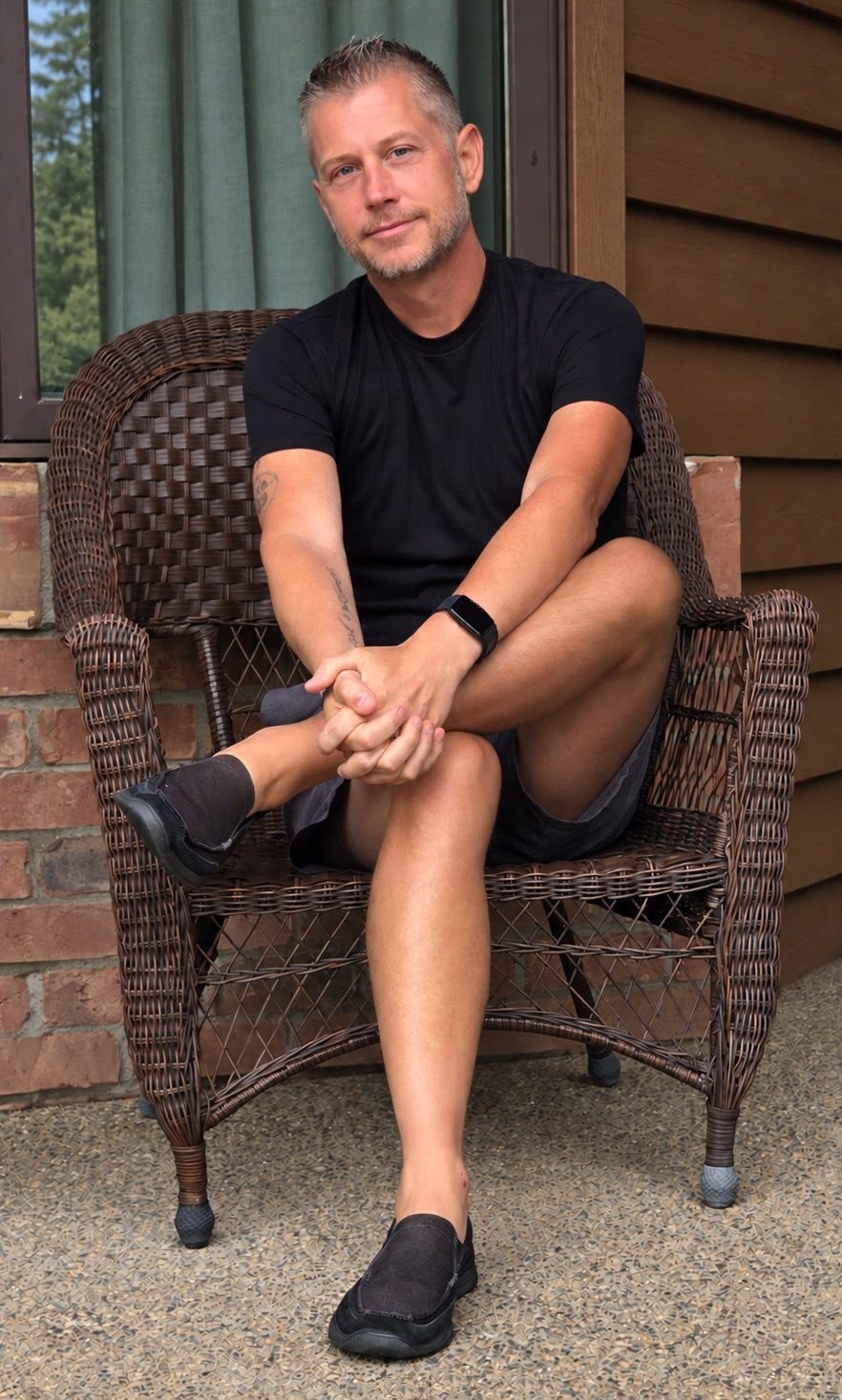
Paul McLellan
Don't wait until you know everything, because you never will.
So nice to meet you! First off, what’s your name? Tell our readers a bit about yourself—where you’re from originally and where you live now.
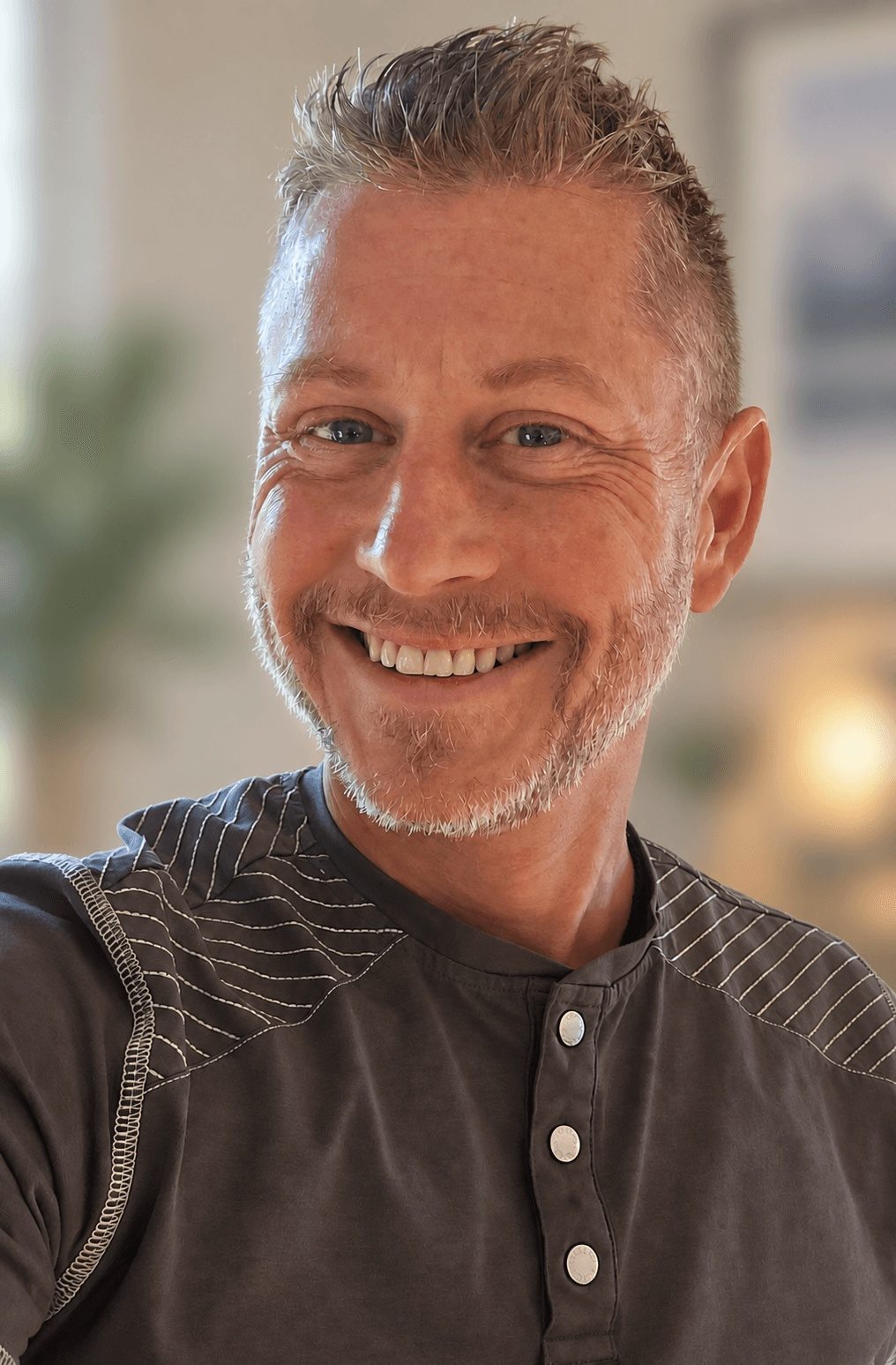
My name is Paul McLellan. I'm a lifelong Minnesotan, originally from Brooklyn Park, and today I live in the Greenfield/Loretto area, just west of the Twin Cities.
I've spent about 30 years as an entrepreneur, business executive and technology enthusiast, but first and foremost, I'm a husband and a father. My wife Laura and I have been married since 2000, and we have nine kids and a son-in-law. It's a wonderfully chaotic household, and easily the part of my life I'm most proud of.
Professionally, I spent three decades helping build and eventually owning Service Lighting and LightBulbs.com, a Minnesota family business that was among the earliest companies selling lighting products online in the 1990s and was nominated as one of Minnesota's top family businesses in 2022.
I sold my business at the end of 2024, completed my transition out in 2025 and have since moved into the Microsoft software industry, where I get to combine my background in technology, business operations and leadership.
Outside of work, I'm an unapologetic technology nerd, a huge fan of 80s hair metal, an avid video gamer and someone who enjoys questioning assumptions and figuring out how the world works. I also love the outdoors and enjoy spending time on our 5 acres, making the land beautiful.
Tell us one thing you love about where you live now.
I love that we get to enjoy the peace and quiet of rural Minnesota while still being relatively close to everything the Twin Cities has to offer. Entertainment and sporting events in Minneapolis are close enough to reach at any time, yet we enjoy living on an acreage where there's room to breathe, enjoy nature and escape some of the noise of everyday life. After spending decades in the fast-paced world of business ownership, I've developed a much greater appreciation for slowing down and enjoying the little things.
And with nine kids (six still living at home) and 10 cats, having a little extra room certainly doesn't hurt!
Tell us a little more about what your company does and how it started. How does it help your customers?
The McLellan involvement in my family's business story actually began in 1982, when my grandfather purchased the business outright. My father spent years building the company, and I joined in 1995, just as the internet was beginning to emerge.
My uncle Steve (who had been working at the family business as an owner/operator) and I worked together to create our first eCommerce lighting website in 1996. At the time, the idea of ordering light bulbs over the internet was pretty unusual. There weren't established platforms or playbooks to follow, so we learned, experimented and built things ourselves.
Over the following three decades, that small family business evolved into a significant eCommerce and distribution operation, eventually reaching $23 million in annual revenue at its peak.
Our goal as a business was relatively straightforward: make it easier for homeowners and businesses to find, purchase and receive the lighting products they needed, getting the quality support they deserved. Behind the scenes, that meant developing technology, improving fulfillment, simplifying processes and continually finding ways to serve customers more efficiently.
But as the company grew, something else became increasingly important to me. I began to recognize that the success of a business could be measured by more than its revenue or profitability. It could also be measured by what that success allowed us to do for others.
For my first 10 years at the business, I wanted to be the BIGGEST. It was a young man's ambition and, admittedly, somewhat self-serving.
For the second 10 years at the business, I wanted to be the BEST. Being #1 wasn't interesting to me anymore. I wanted to offer quality and build a reputation around it.
For the last 10 years at the business, I focused on BENEVOLENCE, using our success for higher pay, more perks, outreach and partnering with charities.
I sold the business at the end of 2024 and departed in 2025 after six months of consulting, bringing my 30-year chapter in the family company to a close.
Today, I work in software solution architecture, helping other businesses solve the kinds of operational and technology challenges I spent decades navigating myself.
If someone wants to start a business, what advice would you give them?
Don't wait until you know everything, because you never will.
When we started selling online in 1996, I didn't know how to build a modern eCommerce platform. In fact, nobody really did. There wasn't much of a roadmap, so I taught myself, experimented, made mistakes and kept improving.
I think people sometimes underestimate how much can be accomplished simply by being curious, resourceful and willing to figure things out.
I'd also encourage entrepreneurs to focus on solving real problems rather than just chasing an exciting idea. Find something that frustrates people, makes their lives unnecessarily complicated or consumes more time than it should. Then figure out how to make it better.
And perhaps most importantly, don't confuse building a successful business with building a successful life.
I spent decades pouring enormous amounts of time and energy into growing a company. I'm proud of what we accomplished, but I've also learned that time, health, relationships and peace are incredibly valuable currencies.
Build something you're proud of, but make sure you're building a life you actually want to live along the way. If the business side of things takes more than it gives, be honest and courageous enough to step away.
What is the biggest misconception about your industry?
Since selling my lighting eCommerce business, I've transitioned into providing software solutions to businesses, primarily in the distribution industry.
The biggest misconception is that design doesn't matter or that it is an afterthought.
Since starting with video game and bulletin board system development in the early '90s, I've been obsessed with UX and UI.
UX - User Experience. UI - User Interface.
Let's break it down. There's a fair amount of overlap with these terms, but each serves a distinct purpose. While UX refers to the overall experience and subconscious feeling the user has while interacting with software, UI refers more to the visual and interactive elements, including text, colors, fonts, placement, captions, menus, etc.
Growing up in an artistic family (this went back generations), I spent the first 12 years of my life sketching, painting, exploring graphic design and developing a general appreciation for art and beauty.
When I jumped into software development, I didn't abandon my artistic interests. Instead, I incorporated them. I began my development career as both a coder and designer, combining technical problem-solving with artistic creativity, a combination I've always found especially rewarding.
When I took over all eCommerce and internal software development tasks at Service Lighting/LightBulbs.com, I was able to execute all structural and functional code deployment and ensure that the interface was as frictionless as possible.
Simplicity is the name of the game. Understanding the end user or customer is paramount. You have to study them and understand the psychology behind how they think, move and act. The thoughtful, intentional and restrained use of color, typography and white space is critical.
When I sold my business, we had amassed nearly 175,000 5-star reviews from third-party sources. Now, we were a very large, complex eCommerce site with 150,000+ products and 2,000+ categories. A common theme I saw throughout our customer reviews was that our website was exceptionally easy to use.
Every. Pixel. Matters.
What has been one of your biggest struggles building your business, and how did you deal with it?
One of the biggest challenges was learning how to evolve a successful family business without losing sight of what made it successful in the first place.
In early 2017, I purchased the company from my father, who had owned and operated it for decades.
By that point, I'd already spent more than 20 years working there. I understood the business extremely well, but owning it was a completely different experience.
Suddenly, every major decision ultimately rested with me. The pressure of knowing the buck stops with you is immense.
I had inherited a tremendous foundation, but also decades of established processes, habits and ways of thinking. I had to figure out how to honor the work that came before me while still being willing to question things and make changes.
And because it was a family business, those decisions sometimes carried more emotional weight than they might have in a typical corporate environment.
I learned that leadership requires you to listen, acknowledge what you don't know and respect the people who helped build something. But you also have to be willing to make difficult decisions when you believe change is necessary. Being a business leader should never be a popularity contest - in fact, I think that being popular and loved by everyone will likely mean that you are not succeeding in business.
Being an effective business leader requires exercising control, having the courage to make tough decisions even when they're unpopular, and respecting those who came before you. While I changed a lot of day-to-day practices and processes that my dad had deployed, I chose to honor him publicly and privately as he created the foundation that I purchased. I know that I would not have succeeded without the groundwork he had established.
This peaceful transfer of power is what made our business leadership transition seamless. Countless staff members told me that they had been worried about an ownership change after my dad had run the company for so many years, but they were amazed and thrilled that there was no conflict or disruption.
Who was your favorite music artist and athlete growing up?
Musically, this one's easy: Def Leppard.
I've been a huge fan of 80s and 90s melodic rock for as long as I can remember. Def Leppard, Aerosmith, REO Speedwagon, and later bands like FireHouse, Danger Danger and Giant have been a big part of the soundtrack of my life.
I'm also fascinated by the production side of music, particularly the work of Robert John "Mutt" Lange. I love the combination of layered vocals, huge melodies and meticulous production. Anything he touches turns to gold, and I love his work.
Music has this incredible ability to transport you back to a particular moment in your life, and some of those albums still sound as good to me today as they did decades ago.
As far as athletes go? I loved NBA basketball growing up, and Michael Jordan is the GOAT. Sorry, LeBron fans. I'm right about this. :)
Any shoutouts you want to make?
There are a lot of people who have influenced my life, but one person who deserves special recognition is my uncle, Steve McLellan.
When I was 12 years old, Steve gave me my first computer, a Commodore Amiga. I don't think either of us could have imagined at the time just how much that one gift would influence the next 30-plus years of my life.
He didn't just introduce me to technology.
He helped nurture my curiosity and encouraged my interest in programming through video game development. We also worked together to build our family business's first eCommerce lighting website in 1996.
When I think about the opportunities I've had, the career I've built and the things I've accomplished, I can trace so much of it back to those early experiences with Steve.
I genuinely don't know what direction my life would have taken without his influence, and I want him to know how much that has meant to me.
I'd also like to recognize the people and organizations who helped me see that business success could become something much bigger than financial success.
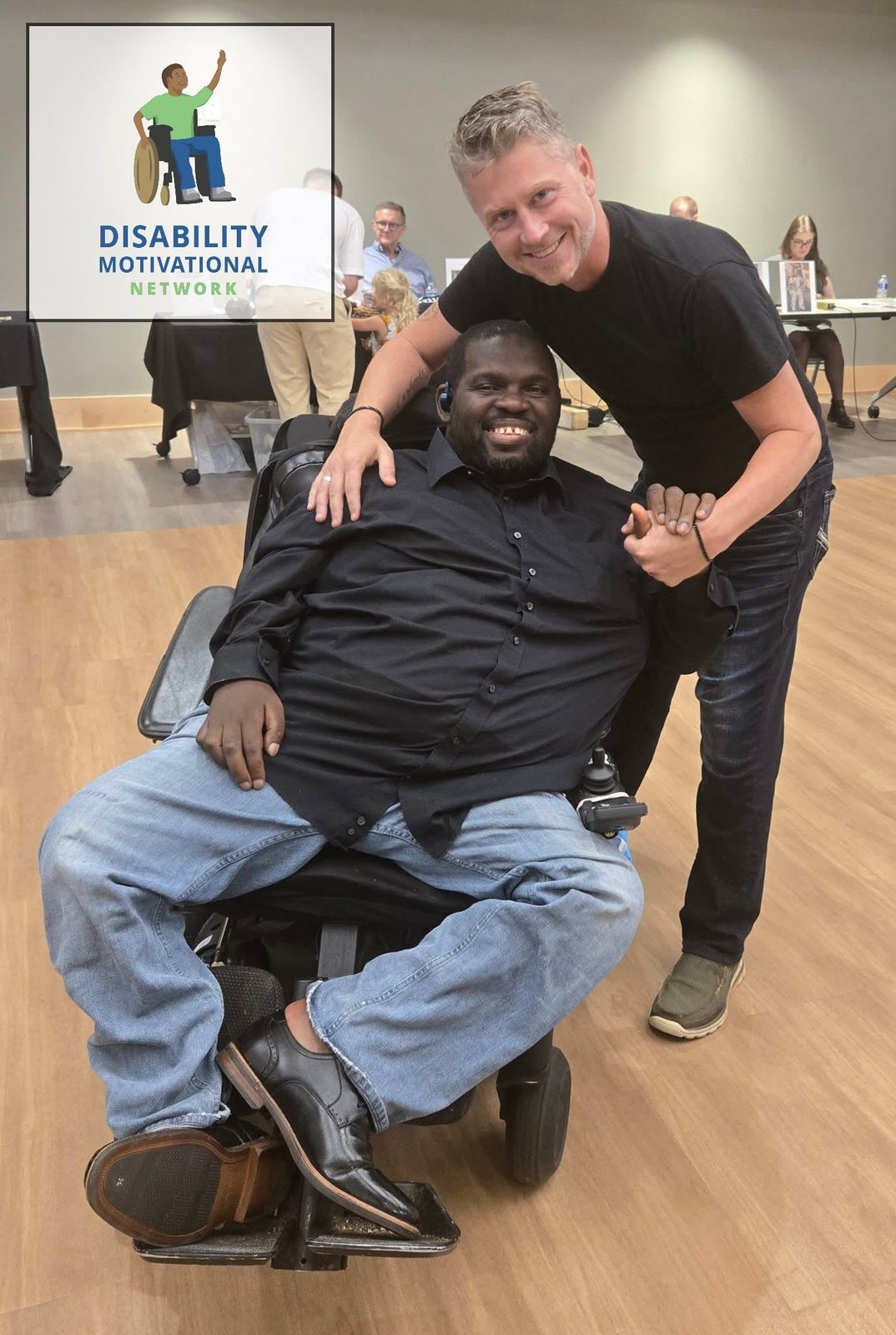
My longtime business and personal involvement with Disability Motivational Network (run by my dear friends, Prince and Agnes Cole) and Mission of Hope (Monrovia, Liberia) has been especially meaningful. Being able to support people locally and help provide lighting to underserved communities overseas (Liberia, Haiti, Kenya) gave me a different perspective on what it means to make an impact.
Sure, I experienced success in business, but it was the opportunity to do something amazing and life-giving WITH our success that far surpassed any business accomplishment.
And, of course, my wife Laura deserves an enormous amount of credit.
We've raised nine children together while navigating all the opportunities, challenges and uncertainties that come with entrepreneurship.
I would absolutely not have been able to navigate all of the ups and downs of business leadership without having a friend, confidant and support system in my wife.
Where can our readers learn more about you and your company?
You can learn more about my background, personal interests, writing and professional journey at paulmclellan.com.
I'm also on LinkedIn (https://www.linkedin.com/in/paulmclellan/), where I share more about my work in technology, software architecture and business operations.