Founder Interview
Rajendra Nath Dasari
My biggest advice would be to start with a problem you genuinely want to understand or solve. It is easy to get caught up in the idea of starting a business, building an…
So nice to meet you! First off, what’s your name? Tell our readers a bit about yourself—where you’re from originally and where you live now.
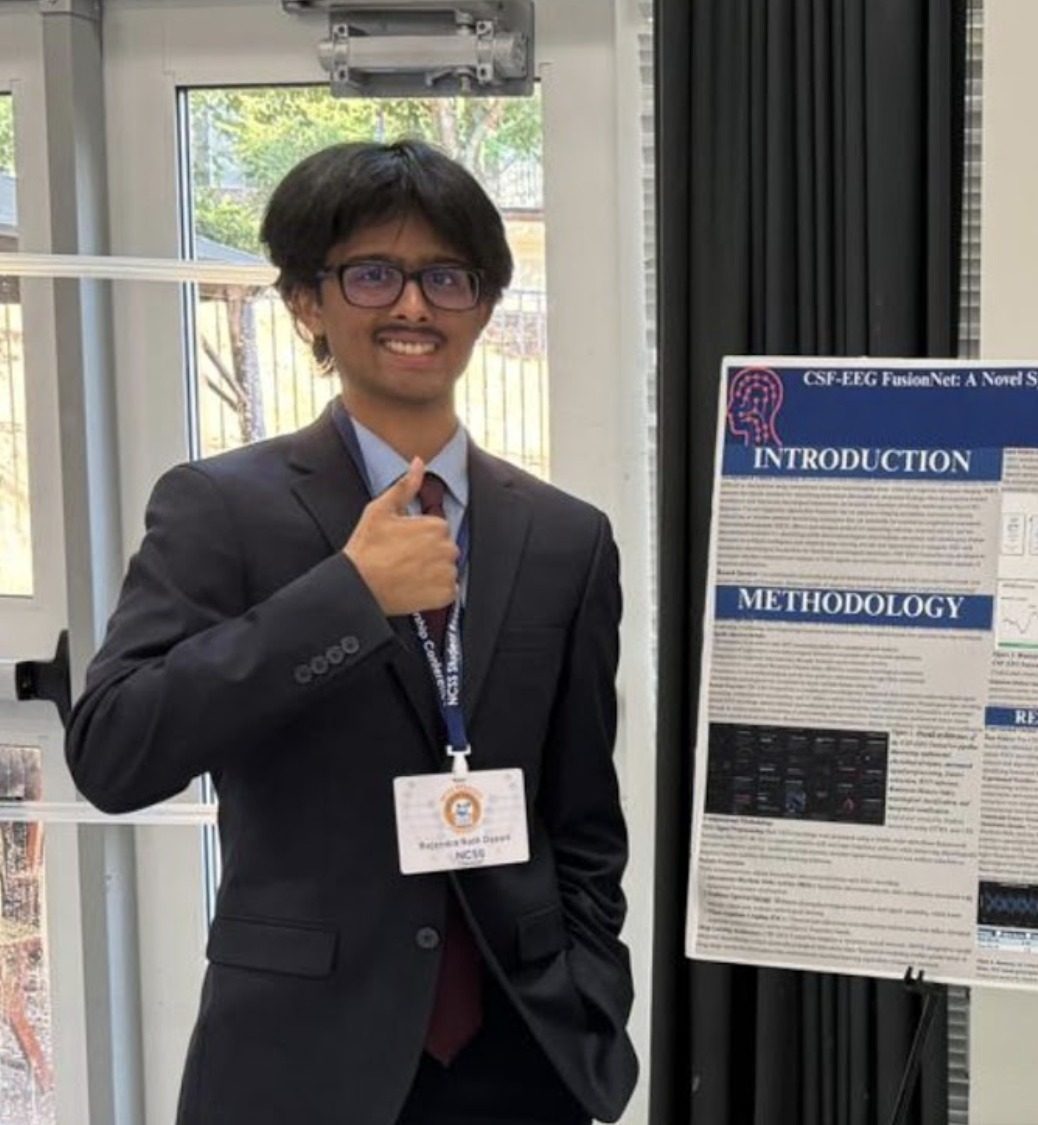
My name is Rajendra Nath Dasari, but I go by Raj. I am based in Wake Forest, North Carolina, in the Research Triangle Park (RTP) area. I have grown up in North Carolina my entire life, and the region's strong connections to education, healthcare, technology, and scientific research have played an important role in shaping my interests.
I am currently completing my high school education at Wake Early College of Health and Sciences while pursuing an Associate of Science degree pathway in Pre-Medicine at Wake Technical Community College. I am interested in continuing my education by earning a Bachelor of Science in Neuroscience, with the long-term goal of becoming a physician-scientist.
Outside the classroom, I am an independent student researcher and the founder of medical initiatives like Project Med & Ed. Much of my work centers on the intersection of neuroscience, biomedical engineering, artificial intelligence, and healthcare. My primary research project is CSF-EEG FusionNet, a patent-pending computational neuroscience platform exploring non-invasive neurological signal analysis through multimodal physiological data and deep learning.
Tell us one thing you love about where you live now.
One of my favorite things about living in Wake Forest and the greater RTP area is the concentration of educational, medical, and research opportunities nearby. North Carolina has a strong scientific and healthcare community, with universities, hospitals, research institutions, and technology organizations all contributing to the region.
I especially appreciate being in an environment where students can explore interests beyond the traditional classroom. There are opportunities to connect with researchers, participate in STEM programs, present projects, and learn from people working in different fields. Being surrounded by that kind of academic and professional community has encouraged me to think beyond what I am currently studying and consider how I can contribute to research and healthcare in the future.
I also enjoy the community itself. Wake Forest has allowed me to grow up in a place that offers a balance between a welcoming local environment and access to the broader opportunities of the Research Triangle.
Tell us a little more about what your company does and how it started. How does it help your customers?
My primary project is CSF-EEG FusionNet, an independently developed, patent-pending computational neuroscience platform focused on non-invasive, multimodal neurological signal analysis and experimental pattern classification. Although the project formally began in the summer of 2025, my interest in medicine, neuroscience, and diagnostics has been personal for much longer.
Growing up, I experienced recurring health concerns involving my gastrointestinal system, immune system, and, at times, respiratory health. Navigating health concerns while growing up made me familiar with the uncertainty that can come with trying to understand what is happening inside the body. It also made me increasingly interested in how medicine identifies, monitors, and studies conditions that may not always be easy to recognize.
My family history played an equally important role. On my father's side, there is a history of Alzheimer's disease, dementia, amnesia, and other neurological conditions, including conditions associated with stroke and cardiovascular health that can affect the brain. On my mother's side, there is a family history that includes cancer, cardiovascular disease, diabetes, and other serious health conditions. Having both personal experiences with recurring health concerns and an awareness of health conditions affecting my family gave me a deeper interest in disease detection, prevention, and biomedical research.
In the summer of 2025, I began exploring the intersection of neuroscience, medicine, and artificial intelligence more seriously. I wanted to investigate whether computational methods could help characterize neurological patterns using information that could potentially be collected non-invasively, rather than relying entirely on traditional imaging or invasive procedures. My initial research focused specifically on Chiari Malformation Type I and the relationship between cerebrospinal fluid (CSF) dynamics and neurological function.
As the research developed, the scope expanded beyond Chiari I to explore a much broader range of neurological conditions. These include, but are not limited to, neurodegenerative, neurostructural, neurotraumatic, neuroacquired, neuroprogressive, sleep-related, neurodevelopmental, and pediatric neurological disorders. The broader objective is to investigate whether different types of physiological information can be combined to study patterns across multiple neurological research areas.
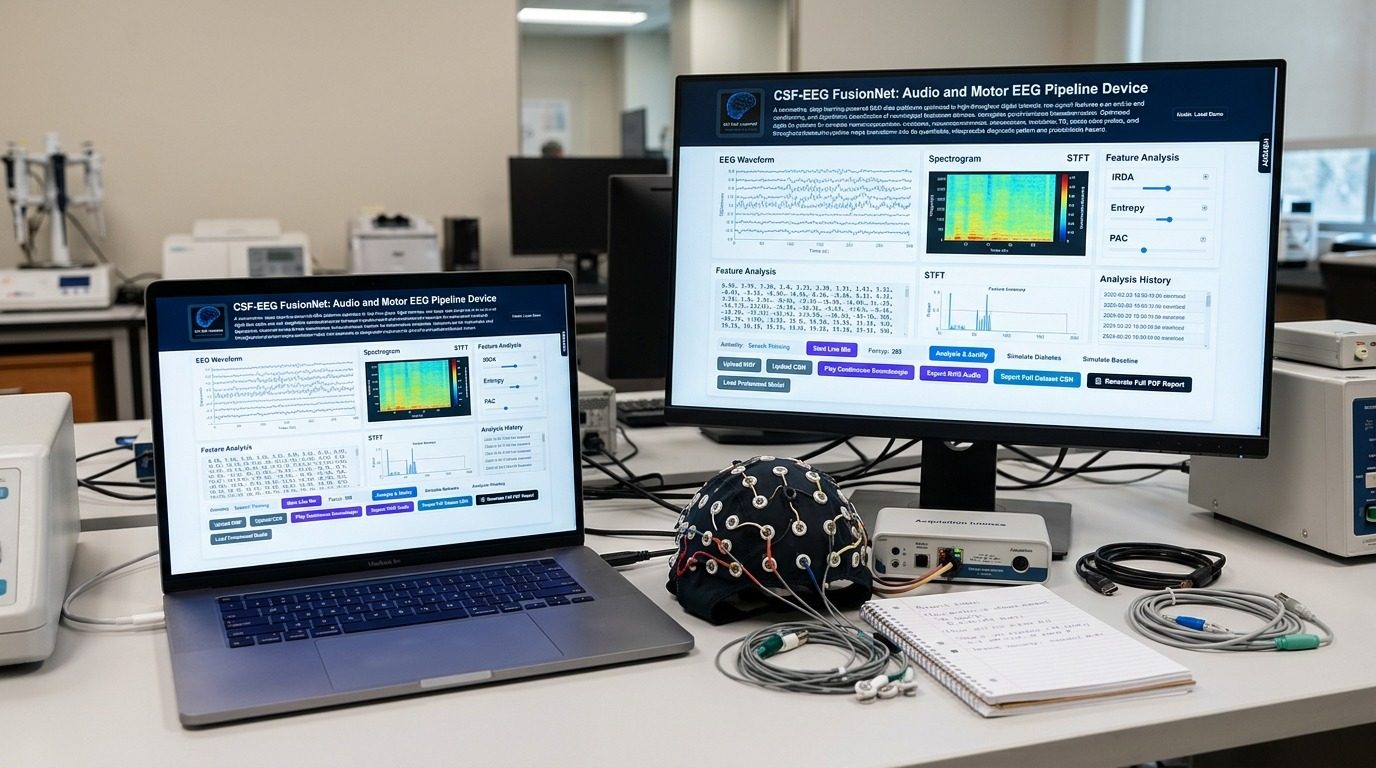
At its core, CSF-EEG FusionNet explores how different types of non-invasive physiological information can be brought together through computational modeling. The platform works with voice signals, motor-function signals, and scalp EEG data. One of its central research directions is investigating how features extracted from a person's voice and motor activity can be transformed into EEG-related computational representations and analyzed alongside actual EEG recordings. In other words, we are exploring whether information contained in voice and movement can be represented in ways that allow researchers to study it alongside electrophysiological data.
The system combines digital signal processing, feature extraction, machine learning, and recurrent neural network approaches. It examines characteristics such as rhythmic activity, nonlinear signal entropy, and phase-amplitude coupling. It also incorporates experimental scoring approaches, including a computational Brainstem Distress Index, to investigate patterns across multimodal data.
Another important component is sonification, which translates selected characteristics of physiological data into audio-based representations. This creates another way to examine patterns in the data, alongside conventional visualizations and computational outputs. By bringing together voice-derived features, motor-related information, scalp EEG recordings, and audio-based representations, the platform is designed to explore relationships that might not be as apparent when examining each source independently.
An important distinction is that audio-derived or motor-derived representations are not the same as direct EEG measurements. Our research explores whether information extracted from those sources can provide useful complementary representations when studied alongside scalp EEG data. The platform remains experimental, and its methods and outputs require further independent evaluation before any clinical interpretation or diagnostic use could be considered.
Our initial Chiari I research provided the foundation for our early academic work. Research based on Chiari I-related data was published in multiple international peer-reviewed journals in the summer of 2025. Since then, the project has continued to develop through additional experimentation, technical improvements, research presentations, and collaboration opportunities.
The work has received several forms of recognition. These include a National Consortium of STEM Schools (NCSS) Glass Award for student research, recognition through NASA's MUREP-related research competition, and selection for opportunities within the AISES and COMPASS research communities. The project has also been accepted for a demonstration at the 2027 IEEE International Symposium on Biomedical Imaging (ISBI) in Lausanne, Switzerland. These experiences have given me opportunities to share the work with broader scientific and engineering audiences and receive feedback from people outside my immediate research environment.
Looking ahead, we are considering the appropriate Institutional Review Board (IRB) approval process through Wake Technical Community College so that future research involving human participants can be conducted under an approved protocol. That could help us evaluate the platform with broader participant groups, strengthen our research methods, and pursue more extensive clinical and preclinical studies where appropriate. We are also interested in understanding what additional evidence, regulatory guidance, and validation would be required if the technology eventually progressed toward a medical-device pathway, potentially including FDA review. That is a long-term possibility, not an existing approval or certification.
Ultimately, the motivation behind CSF-EEG FusionNet is both personal and scientific. I want to explore how computational neuroscience, biomedical engineering, and artificial intelligence could contribute to a better understanding of neurological conditions. My hope is that continued research, collaboration, and rigorous validation can help develop new ways of studying neurological function and potentially contribute to future healthcare applications.
If someone wants to start a business, what advice would you give them?
My biggest advice would be to start with a problem you genuinely want to understand or solve. It is easy to get caught up in the idea of starting a business, building an impressive product, or coming up with something that sounds innovative. However, the most meaningful projects often begin with curiosity about a real problem.
I would also encourage people not to wait until they have every resource or every detail figured out. Start small, learn the fundamentals, build an early version, and ask for feedback. You do not need to have an entire organization or a perfect product on day one.
Another important lesson is to become comfortable with rejection and uncertainty. Research, entrepreneurship, and innovation rarely follow a perfectly predictable path. You will encounter technical problems, unanswered questions, and people who may not immediately understand your idea. Those experiences are part of the process.
Finally, learn to communicate your work. Having a good idea is important, but being able to explain why it matters, who it could help, and what evidence supports it is equally valuable. Surround yourself with people who challenge your thinking and are willing to help you improve.
What is one piece of feedback from a happy customer or client that you won't forget?
Since CSF-EEG FusionNet is an experimental research platform rather than a commercial product, I do not currently have paying customers or clinical clients. However, I have received meaningful feedback from educators, researchers, mentors, and people who have encountered the project through research presentations and demonstrations.
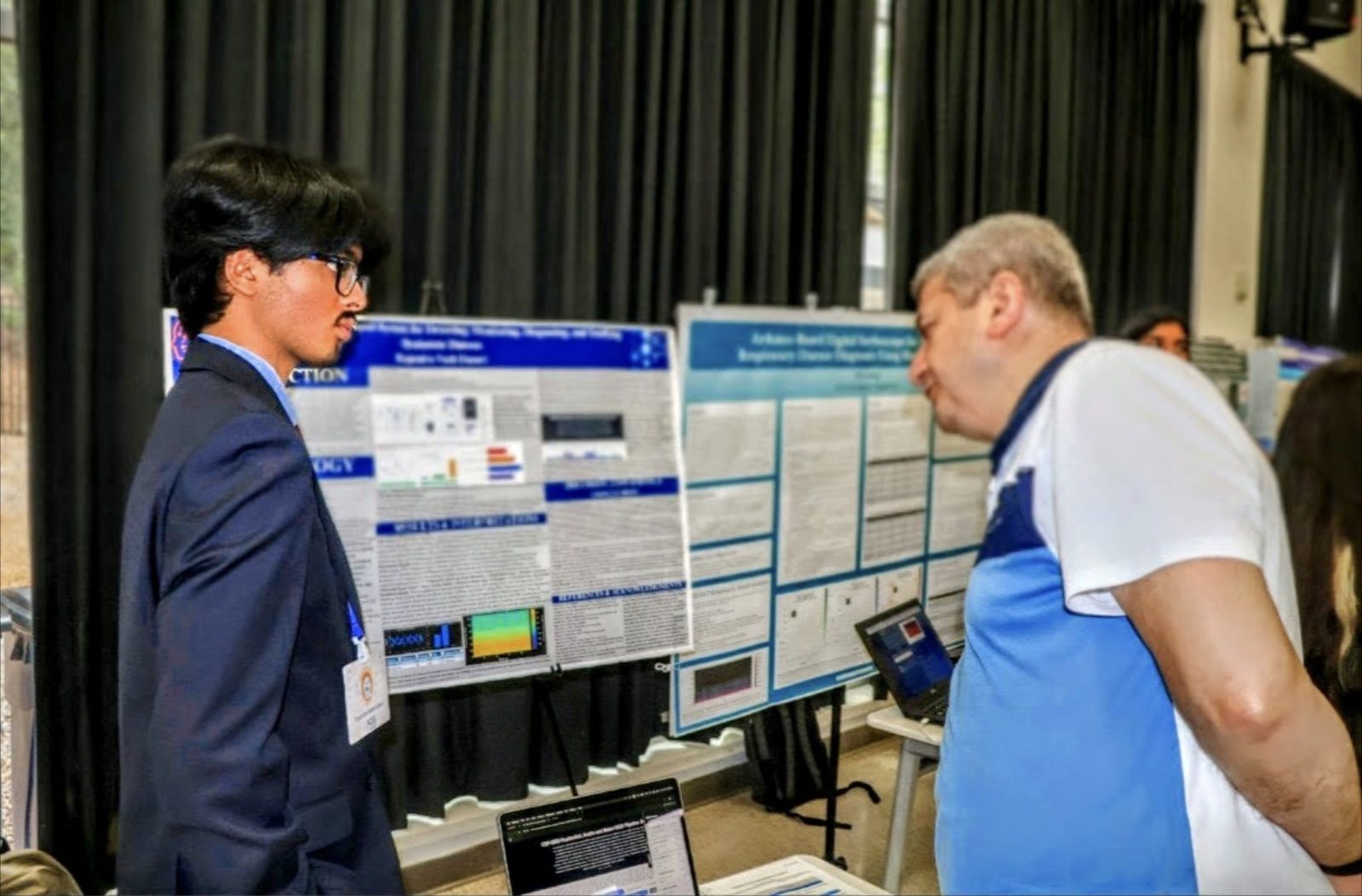
One particularly valuable experience was presenting my work to approximately 75 educators through the Wake County Public School System's STEM community. Being able to explain a technical neuroscience project to an audience with different backgrounds helped me understand the importance of making complex scientific ideas accessible.
I have also received feedback through research presentations, conference opportunities, and conversations with people in the scientific and engineering communities. Those interactions have helped me identify areas where the project needs clearer explanations, stronger technical documentation, and additional validation.
For me, that feedback is valuable because it pushes the project beyond what I can evaluate independently. It reminds me that research should be open to questions, criticism, and continuous improvement.
Where do you see your company in the future?
Over the next five years, I hope to see CSF-EEG FusionNet develop into a more mature and rigorously evaluated research platform. My priorities are improving its computational methods, expanding the research behind it, strengthening its validation, and collaborating with people who have expertise in neuroscience, biomedical engineering, and clinical research.
I would also like to explore how the platform could be evaluated across different neurological research areas rather than focusing on only one condition. Any broader application would require appropriate datasets, careful study design, and independent validation.
On the academic side, I hope to continue developing as a researcher while pursuing my education in neuroscience and medicine. My long-term ambition is to work at the intersection of clinical medicine and scientific innovation, where I can contribute to both patient care and the development of new research tools.
Ultimately, I want the project to become more than a technical demonstration. I want it to contribute meaningful research, encourage collaboration, and help explore questions that could eventually improve how neurological conditions are studied.
What is the biggest misconception about your industry?
One major misconception about artificial intelligence in healthcare is that if a machine-learning model produces a result, that result must automatically be accurate or clinically meaningful.
In reality, developing a model is only one part of the process. The quality of the data, the design of the experiment, the methods used to evaluate the model, and the ability to reproduce its results all matter. A model can perform well in a limited experiment and still fail to generalize to a different population or setting.
Another misconception is that artificial intelligence is intended to replace doctors and researchers. I see its potential differently. Technology can help people process complex information, investigate patterns, and explore possibilities, but clinical judgment, human expertise, and proper validation remain essential.
In neuroscience especially, the brain is incredibly complex. There is no single algorithm that can independently explain every neurological condition. Responsible innovation means understanding those limitations rather than making claims that the technology cannot yet support.
What has been one of your biggest struggles building your business, and how did you deal with it?
One of my biggest challenges has been developing a technically complex research project while balancing high school, college coursework, extracurricular responsibilities, and other commitments.
CSF-EEG FusionNet brings together several different disciplines, including neuroscience, electrical signal processing, software development, and machine learning. Each area has its own learning curve. I have had to independently study unfamiliar concepts, troubleshoot technical problems, evaluate different approaches, and continuously revise parts of the platform.
Another challenge has been learning how to distinguish between what a computational model can demonstrate and what would require additional scientific or clinical validation. It is important to be ambitious about the possibilities of a research project while remaining honest about its current limitations.
I have addressed these challenges by breaking the project into smaller milestones, documenting my methods, seeking feedback from educators and mentors, and treating setbacks as opportunities to improve the research. I have also learned that progress does not always mean adding another feature. Sometimes the most important improvement is refining an existing method or questioning an assumption.
Balancing everything has not always been easy, but the experience has taught me patience, discipline, and the importance of building something carefully rather than rushing toward a finished product.
Who was your favorite music artist and athlete growing up?
My favorite music artist growing up has definitely been Drake. I have been listening to his music since around 2015, when I would hear his songs on the radio and encounter his collaborations with artists such as Rihanna. Over the years, I have come to appreciate just how versatile he is. He can move between pop, hip-hop, more reflective music, and completely different sounds while still maintaining a recognizable style.
His music has also accompanied me through different stages of my life. Whether I am working on research, celebrating an accomplishment, receiving an award or honorarium, heading home after a long day, or simply going through a difficult period, I can usually find a Drake song that fits the moment. I appreciate that range. Some songs bring optimism and motivation, while others are more reflective. Having music that fits both the good and challenging parts of life has made him an artist I consistently return to.
As for sports, I do not have one particular favorite athlete. I enjoy playing soccer, tennis, and rugby recreationally, and I appreciate each sport for different reasons. Rather than following one athlete above everyone else, I enjoy participating in the sports themselves and the different skills, strategies, and challenges they involve.
Any shoutouts you want to make?
Absolutely. A lot of people deserve credit for the work I have been able to do. My research, projects, leadership experiences, and academic opportunities have never been the result of one person working alone. I have been fortunate to have educators, administrators, mentors, researchers, family members, and advocates who have provided guidance, resources, encouragement, connections, and opportunities along the way.
At Wake Early College of Health and Sciences, Mrs. Heather Williams, my biology instructor, has played an important role in encouraging my interest in science and supporting my development as a student researcher. Mr. Joshua Hunter, Senior Administrator with Wake County Public School System, has been a major advocate for my research and STEM work, including helping create opportunities for me to share my work with educators and the broader school community.
I am also grateful to Mrs. Vanessa Harris, Vice Principal, Mrs. Lisa Cummings, Principal, and Mrs. Melanie Lachance, Dean of Students and Counselor, for their leadership and support at WECHS. Their guidance has helped me navigate opportunities both inside and outside the classroom.
Mrs. Katharine Wernersbach and Mrs. Amy Christensen, my English instructors, have supported my writing and communication skills, which have become especially important as I prepare research papers, presentations, and explanations of technical ideas for different audiences. Mr. Michael Muse, my guidance counselor, has helped me navigate academic planning and opportunities throughout high school. Dr. Stephen Colbert has also supported my science education as both an instructor at WECHS and a professor at Wake Technical Community College.
I would also like to recognize Mrs. Nicole Hill, Career Development Coordinator, whose guidance has helped me think about how my education, research, and professional experiences connect to my long-term goals. Mrs. Ingrid Johansen, my Economics and Personal Finance instructor, has also been an important supporter and advocate, including helping connect my work with opportunities to share my story more broadly.
Beyond WECHS, I am grateful to Dr. Robert Taylor, Superintendent of Wake County Public School System, for his leadership of a school system that has provided opportunities for students to participate in academic, leadership, and STEM initiatives.
My research has also benefited enormously from mentorship outside my school. Dr. Trung V. Tran, Associate Professor at Fayetteville State University, provided mentorship and support through my NASA MUREP research experience. Mrs. Emma Schmaltz, Program Coordinator for Experiential Education, and Dr. Jason Somarelli, Associate Professor and Scientist at Duke University's Nicholas School of the Environment and Duke Cancer Institute, helped me develop my research skills through Duke HackBio. Their guidance challenged me to defend my scientific reasoning and communicate my work at a higher level.
Through the National Science Foundation's Center for Complex Particle Systems, Mrs. Marisa Thompson, a PhD candidate at North Carolina State University, and Dr. Alonzo Alexander, Associate Professor and Scientist at NC State, have contributed mentorship and research guidance as I continue developing as an interdisciplinary student researcher. Christine Goforth, Head of Citizen Science at the North Carolina Museum of Natural Sciences, has also been an important source of scientific mentorship and support.
Finally, some of the most important support has come from my family. My father, Yasaswi Dasari, a Lead Software Engineer, has provided technical perspective and support that has been especially valuable as I work on computational and AI-driven research. My mother, Krishnapriya Dasari, a Medical Coder, has supported my interest in healthcare and medicine and encouraged me throughout my academic and research journey.
Each of these people has contributed in a different way. Some taught me, some opened doors, some provided technical or research mentorship, some advocated for my work, and some encouraged me to keep going when a project became difficult. I am proud of what I have accomplished, but I also recognize that those accomplishments were built with the support of a much larger community. I would not have been able to pursue many of these opportunities without the people who were willing to invest their time, knowledge, resources, and trust in me. I am sincerely grateful to every one of them, as well as the many others who have supported my journey.
Where can our readers learn more about you and your company?
Readers can learn more about CSF-EEG FusionNet and explore the project through its website and online platforms:
Project website: https://csf-eegfusionnet.com
LinkedIn: https://www.linkedin.com/in/rajendra-nath-dasari-403b24372/
Instagram: https://www.instagram.com/rajdasari371/
YouTube: https://youtu.be/ZpjoUmTQnB0 and https://youtu.be/KrCSE0kkFI4
I also share updates about my research, academic experiences, presentations, and other projects through these platforms. I hope the work encourages other students to explore scientific questions, pursue their interests, and create opportunities to contribute to their communities.