Founder Interview
Sarah Drake
Do something you’re passionate about or that is your calling. There will be difficult days, setbacks, and moments when you question whether it’s worth continuing. Passion is what…
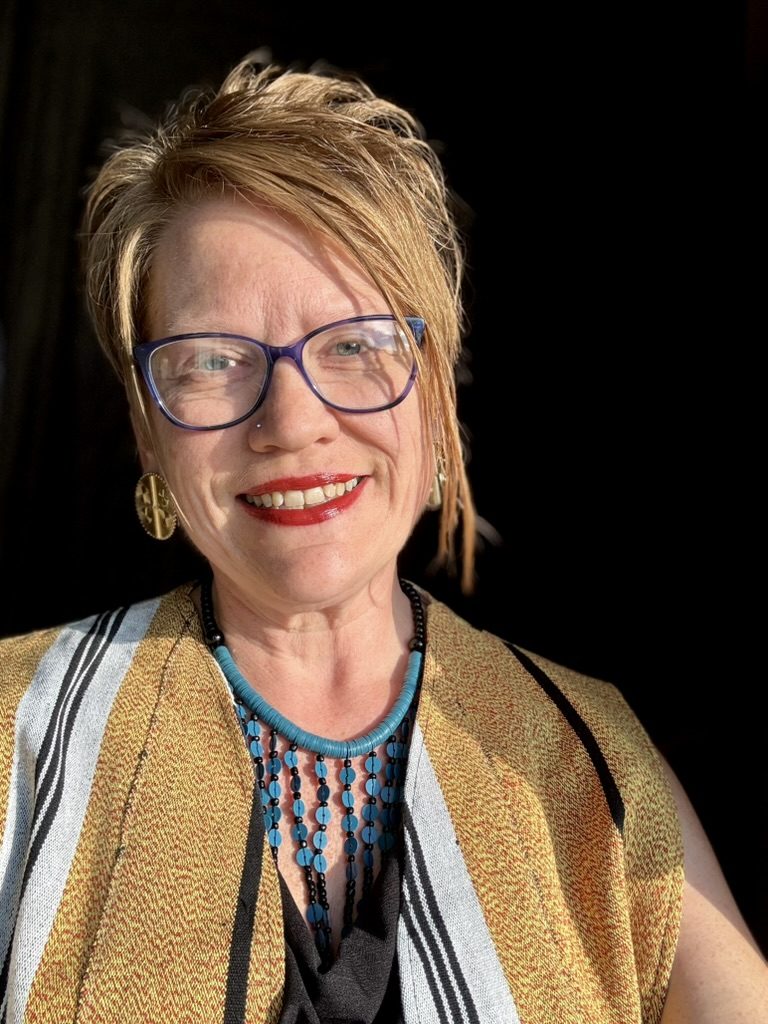
So nice to meet you! First off, what’s your name? Tell our readers a bit about yourself—where you’re from originally and where you live now.
My name is Sarah Drake. I was born and raised in rural Long Prairie, Minnesota (MN), and live in Sauk Rapids, MN. I am an award-winning artist and author whose work has been exhibited internationally. And I’ve always found the phrase “just an artist” interesting, as though being an artist is somehow less than being something else. My art, volunteer service, and entrepreneurial journey look unrelated until you understand what drives them.
In addition to making art and writing stories, I’m an educator, humanitarian, entrepreneur, speaker, and creative strategist. I’ve worked across international development, education, healthcare, nonprofit leadership, business innovation, and the arts. My artwork has been exhibited on five continents; I’ve written and illustrated multiple children’s books and juried articles; and I’ve spoken at international conferences and on stages in front of more than a thousand people. I’ve received many awards across different sectors of my work and was awarded a Presidential Lifetime Achievement Award in 2024 for my volunteerism. Most importantly, though, I’m the mom of a biracial daughter named Tabara, and creating a more equitable and just world for her is what drives me.
Whether I’m creating art, advising a startup, developing a product, teaching children, or working alongside communities internationally, I’m ultimately asking similar questions: What’s missing? Who isn’t being included? What resources or opportunities already exist that we haven’t connected? And what needs to be done differently?
Tell us one thing you love about where you live now.
The thing I love about MN is how community comes together and the belief that all people should be treated with humanity and deserve justice. Growing up in rural MN, creativity, resourcefulness, and helping your neighbors were simply part of life. Those experiences shaped how I see the world, even though my work has taken me far beyond the state, and I love that fact.
Minnesota also has a wonderful creative community. I love that I can be based here while collaborating with people across the United States and internationally. No two days are the same. One morning I can teach a class, miss lunch because I got in the zone creating, take a call from Africa about development after remembering to eat something quickly, then go mentor at an after-school program, and end the day with a consulting call. And the next day will be completely different, and I love it! My life has become this interesting combination of small-town roots and global relationships.
Tell us a little more about what your company does and how it started. How does it help your customers?
I never planned to become an entrepreneur. My work evolved from experiences and needs I couldn’t ignore.
In 2011, after an emotional breakup, my young daughter said, “Paint, Mommy. Just paint.” Returning to art led me to Burkina Faso, where a serious illness exposed inequities in healthcare and opportunity. I had access to resources others didn’t, not because I deserved them more, but because of systems and circumstances that gave me advantages. As the mother of a biracial daughter, I want Tabara to live in a world where her identity doesn’t limit her opportunities.
That experience inspired herARTS in Action, an international nonprofit advancing access and social justice through art. Connection is the foundation, creativity is the tool, and impact is the result.
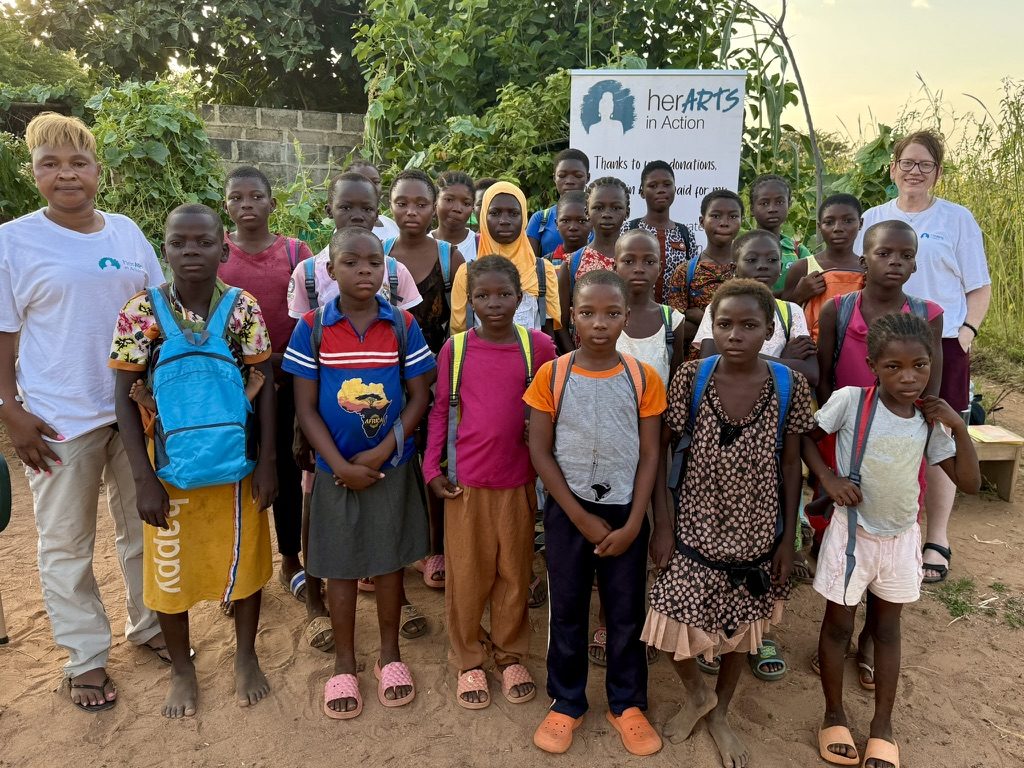
Through our partnerships, more than 150,000 people in Burkina Faso have benefited from clean water access. We support 30 girls through the Ramphan McCray Education Scholarship for Girls, named for my late sister-in-law, and have helped five entrepreneurs start businesses. The girls dream of becoming doctors, lawyers, and pilots. Their ambitions weren’t the limitation. Access was.
My work expanded into local art education, exhibitions, children’s books, speaking, and consulting. Today, I help organizations build partnerships across cultures and sectors. I’m also developing Adapdom (Adaptations + Freedom), a medical retail startup inspired by my need for a better compression glove.
Whether helping students discover confidence, people see their heritage reflected in my work, or clients build meaningful connections, my purpose remains the same: recognizing needs, connecting resources, and creating opportunities.
If someone wants to start a business, what advice would you give them?
Do something you’re passionate about or that is your calling. There will be difficult days, setbacks, and moments when you question whether it’s worth continuing. Passion is what helps you push through those moments when quitting might seem easier.
I started without a business plan or financial support. Would I recommend that approach? Absolutely not! Do I regret it? Not for a second. But if you can put some foundations in place before you begin, please do! Learn about finances, pricing, business structures, marketing, and how to make your work sustainable. You’ll be doing yourself a favor. That said, don’t wait until everything is perfect to begin, because it never will be.
Don’t be afraid to say yes to opportunities that stretch you, even when they take you outside your comfort zone. Some of my most meaningful experiences have come from saying yes to things I never imagined myself doing. But I’ve also learned that you can’t say yes to everything. Not every opportunity is right, and not everything that demands your time and energy will help you grow.
And finally, remember that not every piece of business advice is going to fit you. For example, people love to say, “Fail fast in entrepreneurship,” but I’ve never quite connected with that philosophy. I believe in learning from setbacks, adapting, and knowing when to change direction, but I also believe in giving meaningful work the time and commitment it deserves. So listen, learn, experiment, and trust yourself enough to decide what advice actually serves you. Take what works for you and leave the rest.
What is one piece of feedback from a happy customer or client that you won't forget?
Whether during a school visit or at an outdoor market, when I’m sharing one of my children’s books about Burkina Faso, students will exclaim, “Hey! I’m from Burkina Faso! This is about me!” Or they’ll whisper it to me, and I tell them to share that with pride. And when they do, the other kids think it’s so cool.
Those moments stay with me. For those children, the book wasn’t simply a story about another country. It was a moment of recognition. They saw their own heritage reflected in something being celebrated in their classroom and community.
A young boy took it even further when he turned to his buddies and said, “Guys, it’s important we help make sure girls have access to education.” I couldn’t have scripted a better response.
These interactions remind me why storytelling matters. A book can help a person feel seen, but it can also help another recognize an injustice and begin thinking about their responsibility to others.
For me, that’s more than a happy customer. It’s about changing attitudes and behaviors to create a more just world.
Where do you see your company in the future?
I’ve always said that my ultimate goal is to put myself out of business. That might sound strange for someone involved in entrepreneurship, but I never set out to become an entrepreneur or start an international nonprofit. I saw needs that weren’t being met and couldn’t turn a blind eye. Imagine a world without discrimination or inequity, where everyone has access to clean water, healthcare, education, and the resources and opportunities they need to thrive.
Until that day comes, I want to continue expanding my consulting and strategic partnership work, along with developing products, books, art, and educational experiences that respond to real needs. I’m particularly passionate about helping others recognize that culture and community relationships aren’t simply nice additions to a project. They are assets. Trust, local knowledge, creativity, and meaningful participation can determine whether an initiative succeeds or fails.
I also want to create opportunities for artists, creators, students, and communities to share and sell their work, tell their own stories, and benefit economically from their talents and cultural knowledge. It’s not enough for me to create work inspired by others or share their stories on their behalf. The goal has always been to use my privilege to help clear the path so they have access to those opportunities themselves.
I’m still learning how to make all of this financially sustainable. But ultimately, I don’t measure my future by how many organizations or projects I have or complete. I measure it by whether I’m doing meaningful work, creating sustainable opportunities, building relationships, and helping create a world where fewer people are left behind.
If we ever reach that world, I’ll happily put myself out of business and spend my days creating simply because I love to create. But what do I know? I’m “just an artist.”
What is the biggest misconception about your industry?
I work across several industries, so an overall misconception is that creativity and business strategy are somehow separate. People often think of art as something decorative or enjoyable, while business, technology, and development are where the serious problem-solving happens. I see creativity as a way of thinking. It’s how we recognize connections, imagine possibilities, challenge assumptions, and develop solutions. My own work is an example of that.
I created a children’s book called Only Rain Down the Drain, inspired by my experiences working with students on storm drain mural art projects and teaching environmental stewardship. Those creations happened because I joined a local organization that cares about water. Since I was working on clean water access in Burkina Faso, I wanted to do something locally, as I live a block away from the Mississippi River. The organization was exploring how to educate the public about storm drains and water conservation. I was able to grow the pilot program through my partnerships with funders, schools, and after-school programs. But it wasn’t until a conversation about consulting at an investing-in-Africa conference that someone inspired and motivated me to finally bring the book to life. Then I launched the book with a reading at a children’s museum. Every sector I work in was involved with or influenced what I created.
Creativity can turn an experience, an observation, or a need into something that educates, engages, or creates opportunity. People underestimate the economic value of artists and cultural knowledge. Artists aren’t simply people who make beautiful things. We’re researchers, storytellers, observers, problem-solvers, communicators, and innovators.
What has been one of your biggest struggles building your business, and how did you deal with it?
My biggest struggle has been building a sustainable business around work I was already doing while navigating serious health challenges as a single mom. I didn’t start with a business plan or financial strategy. I started with creativity, a sense of responsibility, and a willingness to respond to needs I saw.
Once I made commitments to people and communities, walking away because the business side was difficult wasn’t an option. I’ve spent years building backward: creating programs, partnerships, art, and educational experiences while learning how to generate revenue and sustain the work.
I’m proud of what I’ve accomplished, but I’ve invested significant personal time, money, and resources into work that hasn’t always been financially sustainable. One important lesson has been recognizing the value of my skills and experience. Charging for my expertise doesn’t diminish my compassion or commitment.
My health challenges have also shaped how I work. Self-employment gives me flexibility to schedule medical appointments, adjust workloads, and plan recovery time around physically demanding projects like teaching artist residencies. That flexibility isn’t a luxury; sometimes it’s what makes continuing possible. I’m learning to set boundaries, pace myself, choose partnerships carefully, and remember that caring about a cause doesn’t mean personally carrying every responsibility or cost.
Who was your favorite music artist and athlete growing up?
My love of music is so vast that I couldn’t possibly pick a favorite! So I’m going to take artistic liberty and share my favorite visual artists instead. Romare Bearden has been my artistic muse since childhood. I grew up 10 miles outside of a town that didn’t even have a stop light and before the internet, so I don’t know how I learned his work. Romare’s use of collage, storytelling, culture, and everyday life has had a profound influence on my work.
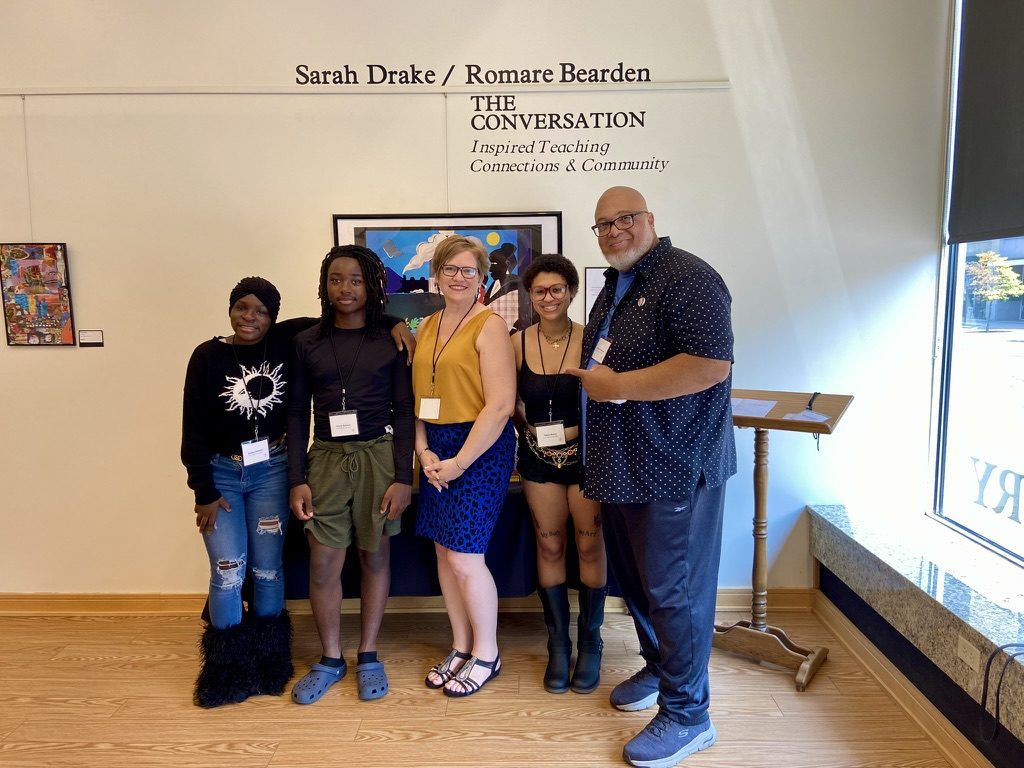
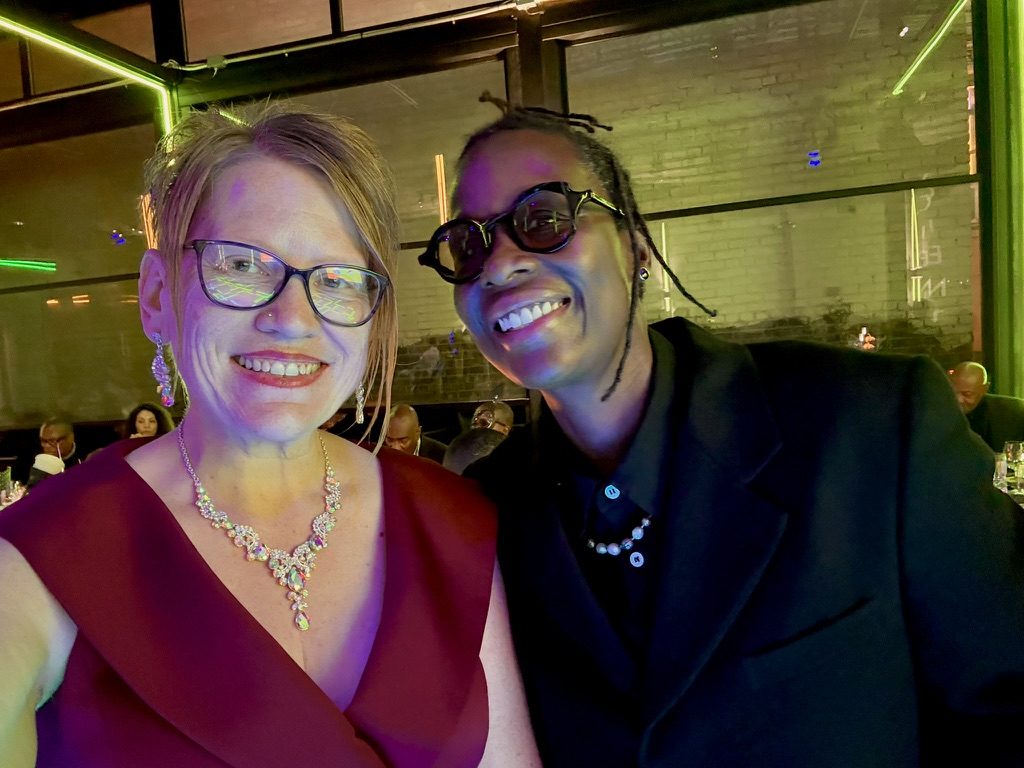
In 2024, I had the incredible honor of organizing an exhibition in St. Cloud, MN, featuring my artwork alongside ten Bearden works, as well as artwork by a few of my students. The living artist who influences me is Mickalene Thomas. Her work is textured, unapologetic, and beautifully centered on Black women and their stories. I had the opportunity to meet her in 2025 at the Bearden Foundation gala. It felt full circle, as Mickalene is also inspired by Bearden.
As for athletes, Cris Carter, the former MN Viking and Pro Football Hall of Fame wide receiver, immediately comes to mind. Those one-handed catches just inbounds were so impressive, and I was able to watch him in person a couple of times! As a teenager, I spotted him at the Mall of America with his family. I giddily told my dad, who gave me a choice: I could go over and fangirl, or I could respect the fact that he was enjoying time with his family.
So, I fangirled in place. I like to think Cris noticed both my excitement and my remarkable self-restraint, and that we became imaginary best friends in that moment. I’m not sure he knows that, though!
Putting these experiences next to each other, I’m recognizing a connection. Keeping my cool with Cris must be how I managed to keep it together when I met Mickalene. But trust me, my knees were shaking as I walked away from her!
Any shoutouts you want to make?
My daughter, Tabara. She beat all of the statistics stacked against her as a Black girl from a single-parent household. She not only graduated from high school and from college, but with honors from both. As I mentioned earlier, she’s my inspiration for all I do, but I also work with her. I consult her and, as she got older, employed her as well.
When she told me, “Paint, Mommy. Just paint,” neither of us could have imagined where those words would lead. Burkina Faso and the work changed my understanding of the world and even led to a rather unforgettable encounter with a crocodile. You’ll have to watch for my memoir, Sit on a Crocodile, but Don’t Pet the Dogs, to find out the rest of that story!
I’m also grateful to the communities in Burkina Faso, across Africa, and throughout the Diaspora who have welcomed me, trusted me, shared their stories, and allowed me to learn alongside them. And I want to recognize the people whose contributions don’t always receive the attention they deserve, particularly women, people of color, people with disabilities, leaders who don’t necessarily have the titles, educators, and community members whose knowledge and efforts make so much of this work possible. None of us accomplish meaningful things entirely on our own.
Where can our readers learn more about you and your company?
Readers can learn more about herARTS in Action and the communities we work alongside, explore my books and artwork, or inquire about classes, speaking opportunities, and consulting on our website, herartsinaction.org. Use @herartsinaction to connect on LinkedIn, Instagram, Facebook, TikTok, and YouTube, where I share everything from professional collaborations and international experiences to creative projects. My personal accounts are @sarahdrakeart.