Founder Interview
Adrian Hallberg
Be honest about where you actually are, especially when it looks bad.
So nice to meet you! First off, what’s your name? Tell our readers a bit about yourself—where you’re from originally and where you live now.
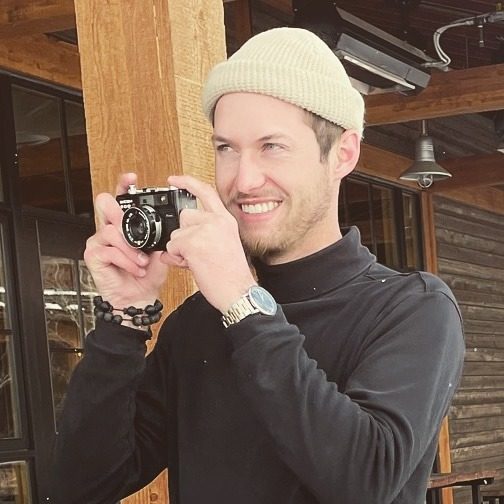
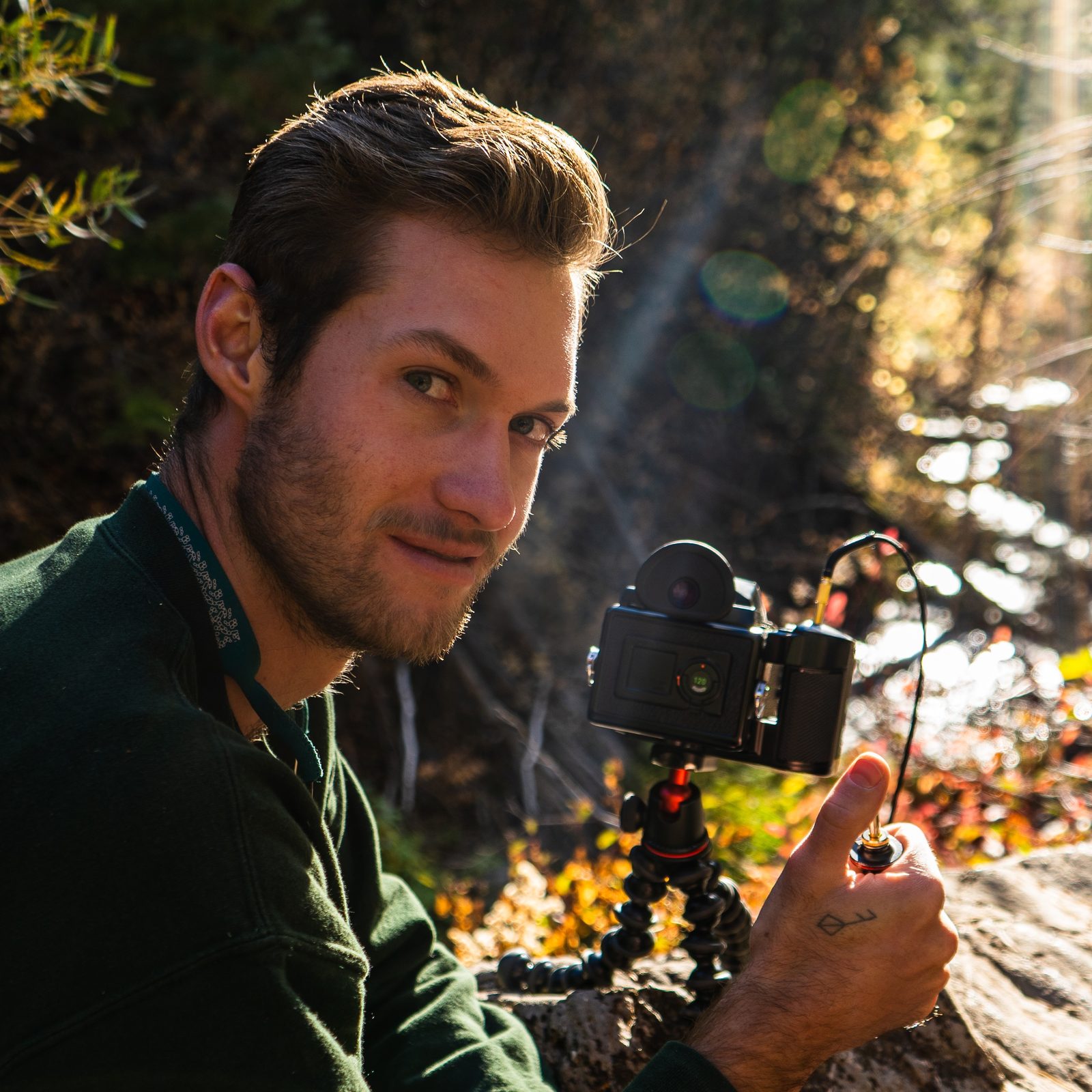
I'm Adrian Hallberg, founder of Kindred Content. I'm originally from Lindon, Utah, and I live full time in a fifth wheel now, mostly off grid in the western US. The desk moves every week or two.
I'm a film photographer by background, which is the part that matters here, because losing my own audience as a photographer is the reason Kindred exists at all.
Tell us one thing you love about where you live now.
That it changes. I can be parked in red rock country one week and up in the mountains the next, and the view out the window is different every time I sit down to work.
It's also a useful reminder of what I'm building against. Out there you get bored, and boredom is where most of the interesting things happen. That's exactly the feeling a feed is designed to remove.
Tell us a little more about what your company does and how it started. How does it help your customers?
Kindred Content is a social platform where your feed is the people you follow, in the order they posted, and then it ends. No ads, no algorithm deciding what you see, no AI-generated content filling the gaps.
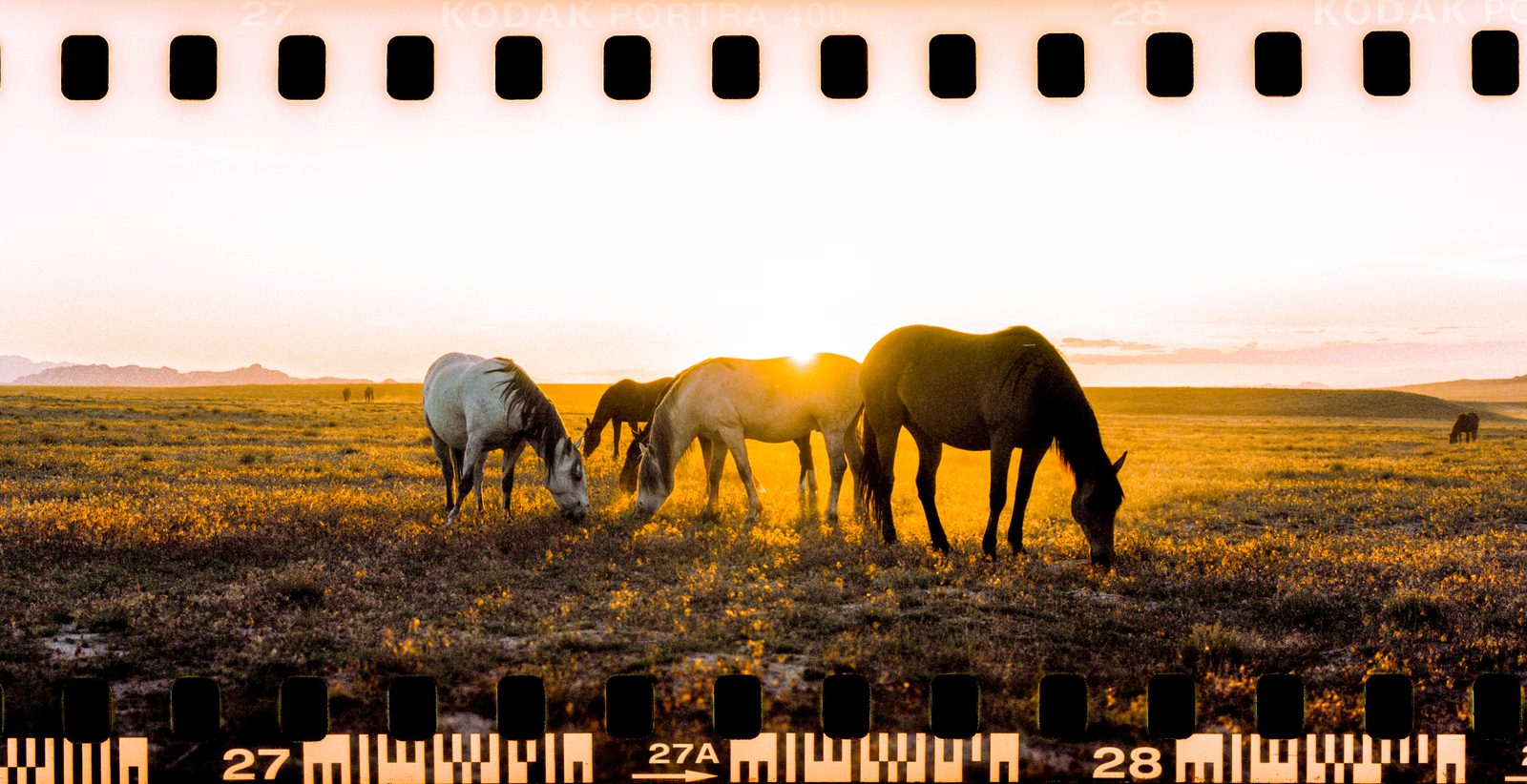
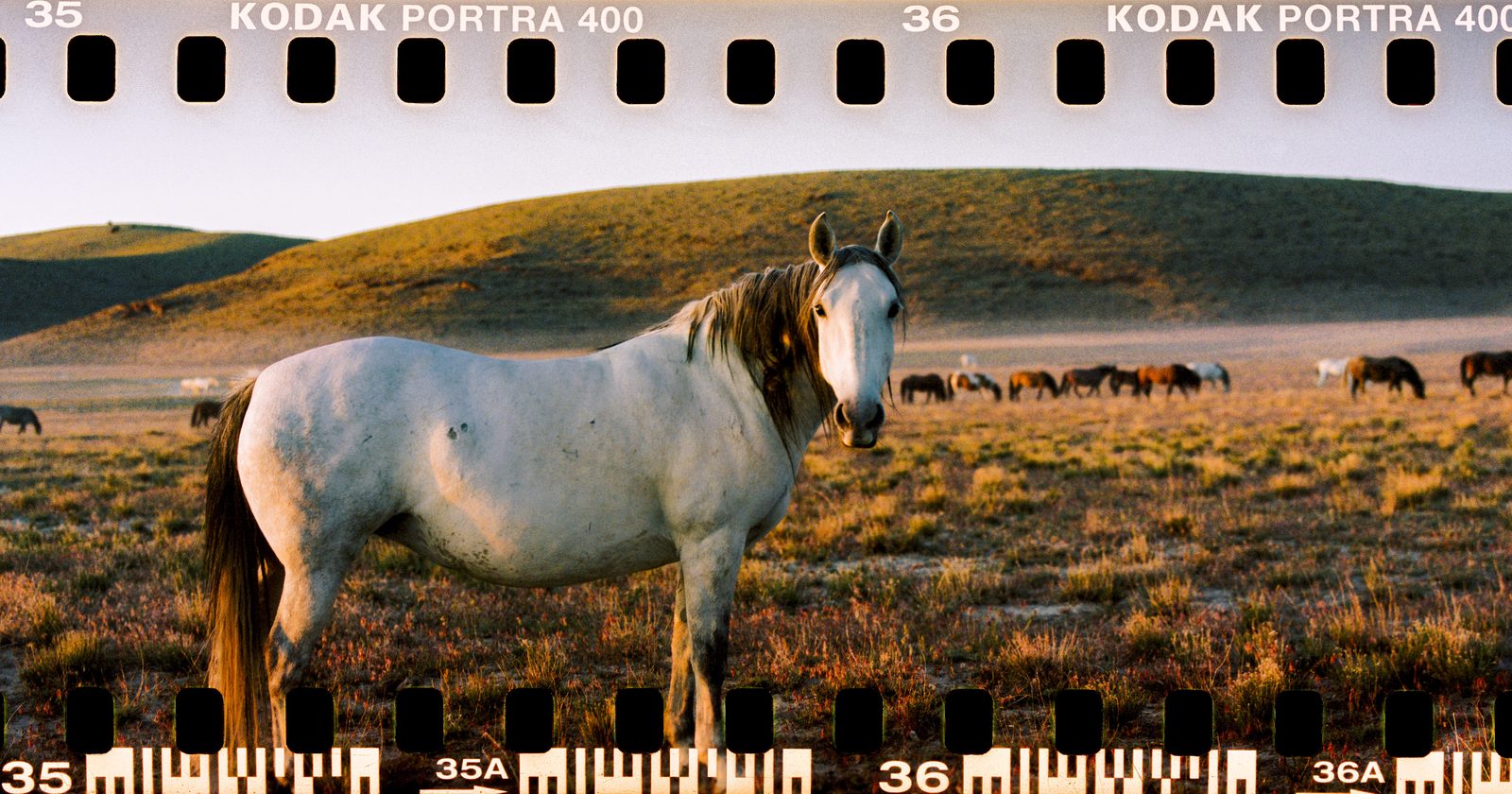
It started because I was losing my own audience. I shoot film, mostly wild horses and landscapes out in the Utah west desert. Over seven years, about 3,500 people had chosen to follow that work. Then I took a break from posting, came back, put up a set I liked, and got 44 likes instead of the 300 I was used to. The work hadn't changed. The ranking had, and nobody tells you when that happens.
That was the night I wrote down what a different platform would have to be. The name came out of it: kindred means people who belong to each other, which is what a feed used to feel like before it became reach.
For creators, you post and the people who followed you actually see it. No ranking step, nothing to boost past. Earnings come from a shared subscription pool rather than from advertisers, which means nothing gets demonetized for being quiet or unbrandable.
For families, it's free. Teen accounts, time limits you set, and a weekly digest of what your kids actually watched. Not a restricted mode buried in settings, just how the product works, because there's no ad revenue pulling the other way.
If someone wants to start a business, what advice would you give them?
Be honest about where you actually are, especially when it looks bad.
Every instinct in marketing pushes you to lead with the best version of your numbers. I've found the opposite converts better, particularly with people who have been pitched a lot. When I rewrote our creator outreach to say "this is early, the platform is small, and the earnings right now are small too," replies went up rather than down. People have heard the inflated version a hundred times. The honest version is the unusual one.
The second thing: own a channel nobody can take from you. An email list is unglamorous and it's the only audience you actually hold. I ignored mine for over a year while building Kindred, and when I finally sent one, every subscriber was still there. Try going quiet on a social platform for a year and see what's waiting.
What is one piece of feedback from a happy customer or client that you won't forget?
One of our creators, Jess B., put it better than any of our own marketing has:
"I've wrestled with social media for the last year now, feeling like it was built to keep my screen time high and my attention span low, but since I've joined Kindred, I've been glad to have a new way to share what I love again and connect with others online in a way that finally feels human."
The word that stuck with me is human. Not better, not faster, not more engaging. Human. That's a strange thing to have to go looking for in a social app, and the fact that it's become rare is pretty much the whole reason I built this.
Vini, a videographer on the platform, made a related point: that he can stay connected with the people he chooses without an algorithm trying to keep his attention in the app. He described it as prioritizing creativity while eliminating algorithm addiction, which is a cleaner summary of the product than anything on our own site.
Where do you see your company in the future?
I'd rather Kindred be a small, sustainable thing that a few thousand people genuinely rely on than a big one that has to sell them to stay alive. That isn't modesty, it's the actual constraint. The day a platform takes ad money, its customer changes, from the person using it to whoever is buying the placement, and every internal decision follows from that.
In the near term, we're focused on creators who make long-form work, which nowhere else really wants, and on families who need something safe by default rather than by setting. Longer term, if a chronological, ad-free platform can support itself on subscriptions, that proves something worth proving.
What is the biggest misconception about your industry?
That the algorithm is broken.
It isn't. It's working exactly as designed. These systems were built to maximize time spent and they do that very effectively. What people experience as junk in their feed is, internally, the metric going up.
On Meta's Q1 2024 earnings call, Mark Zuckerberg said that for the first time more than half of what people see on Instagram is AI-recommended. He wasn't apologizing. It was reported as growth, because from where he's sitting it is.
So the misconception is that this gets fixed by better people or better moderation. It doesn't. It gets fixed by a different business model, or it doesn't get fixed.
What has been one of your biggest struggles building your business, and how did you deal with it?
The first version of Kindred asked creators to bring their audience to a paywall. Nineteen people said yes in DMs. Zero of them actually signed up, because anyone they invited would hit a payment screen at the door.
That was hard to look at, because the whole model was built around it. The fix was rebuilding the pricing so joining is free and the platform earns from people who choose to upgrade, which meant significant rework on the billing and metering side.
What I took from it is that a conversion problem usually isn't a messaging problem. I spent weeks rewriting outreach when the issue was the door itself.
Who was your favorite music artist and athlete growing up?
Pink Floyd, and I still listen to them and still learn from them.
What holds up is that the records were built to be sat with. Whole sides, long instrumental stretches, the quiet part in the middle that's the reason the loud part works. None of it would survive being optimized for the first nine seconds, which is a thought I've had more than once while building a platform that lets people post the fifteen-minute version of something.
Any shoutouts you want to make?
To the founding creators who signed up when there was almost nothing on the platform and then told me what was broken. Several things in the app exist because somebody messaged me on a Tuesday and said this doesn't work. At this stage that's worth more than any amount of marketing.
Where can our readers learn more about you and your company?
kindredcontent.app is the platform.
I write about platforms, attention and the creator economy at medium.com/@adrianh_97004, including a piece on what Meta disclosed about AI recommended content on its own earnings call, and one on why follower counts stopped meaning anything.
My photography is at @ahlightcapture on Instagram.