Founder Interview
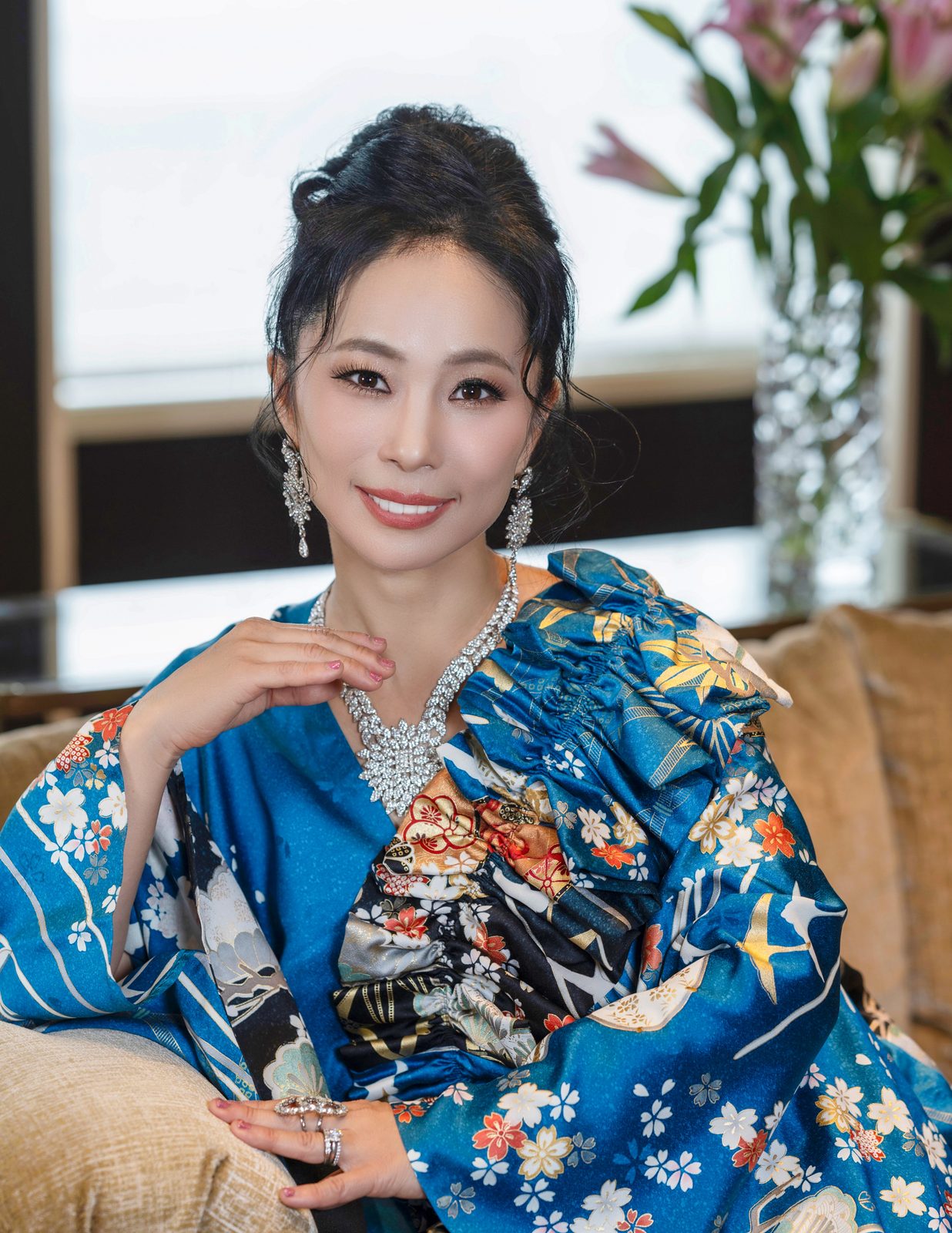
Carole Feuerman
My advice is to believe in your vision, especially when other people don’t. When I began my career, women artists were often not taken seriously. I was once told by an art dealer…
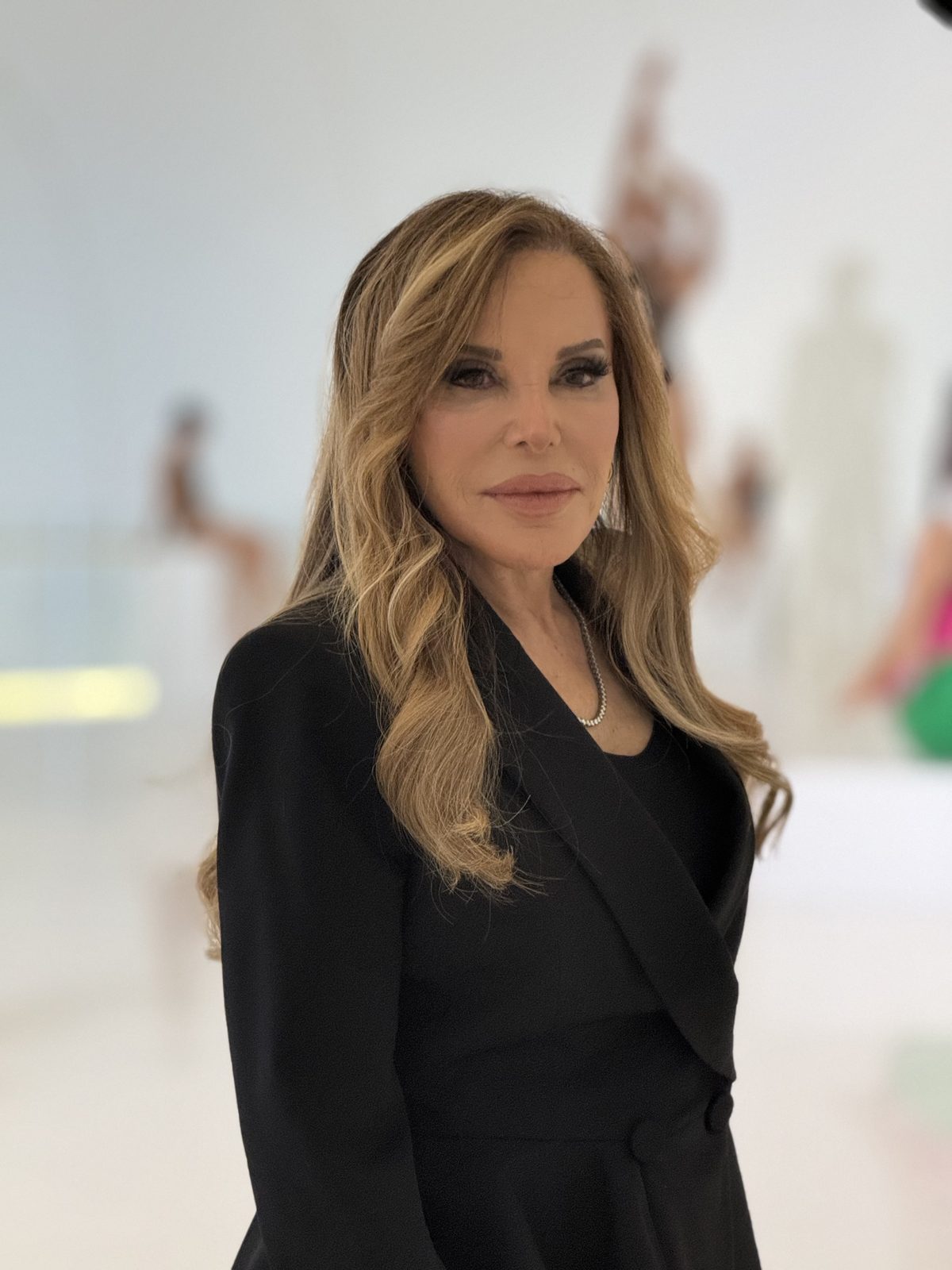
So nice to meet you! First off, what’s your name? Tell our readers a bit about yourself—where you’re from originally and where you live now.
Carole Feuerman.
Tell us one thing you love about where you live now.
I have lived in New York City for most of my life, and what I love most is its extraordinary creative energy. I live in SoHo, surrounded by art, architecture, history, and people from every imaginable background. New York has been part of my artistic journey for decades. I have watched neighborhoods transform, artistic movements emerge, and generations of artists find their voices. My home has also been a place where I’ve raised my family, developed ideas, and created some of my most important work. What I love about New York is that it never stands still. There is always something new to discover, and that constant sense of possibility continues to inspire me.
Tell us a little more about what your company does and how it started. How does it help your customers?
I am an American superrealist sculptor, and for more than five decades, I have used the human body to explore strength, vulnerability, balance, and transformation. I began my career as a commercial illustrator, creating album covers, posters, and illustrations before deciding that I wanted to make art that expressed my own ideas rather than someone else’s.
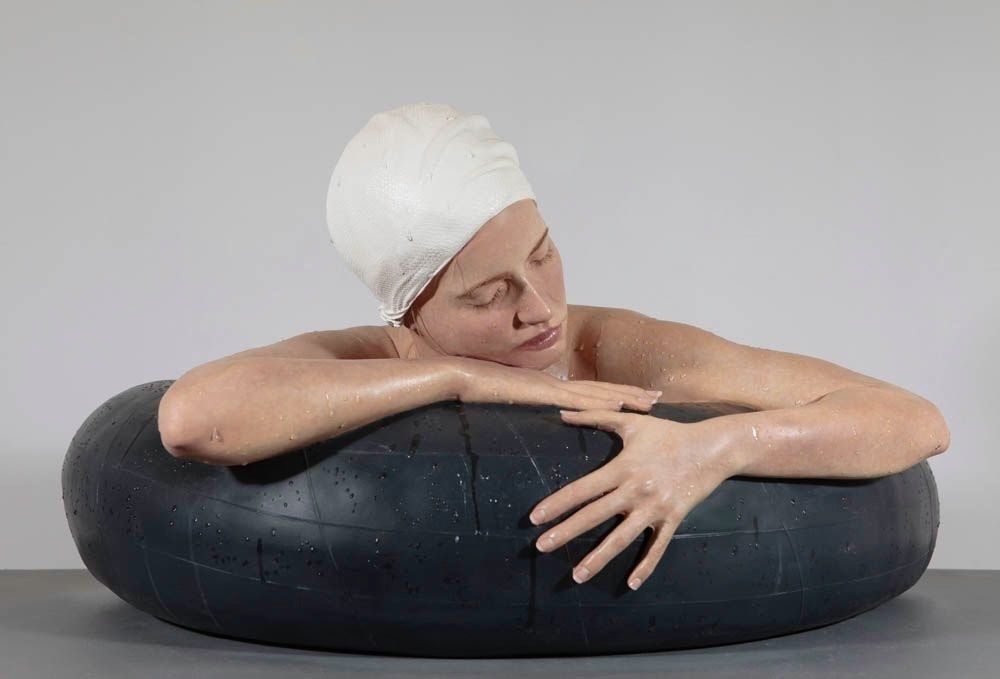
In the 1970s, I began creating fragmented sculptures of the human body, exploring how a single gesture or part of a figure could communicate an entire emotional experience. In 1981, I created my first swimmer sculpture, Catalina, which became the beginning of a body of work that would take me around the world.
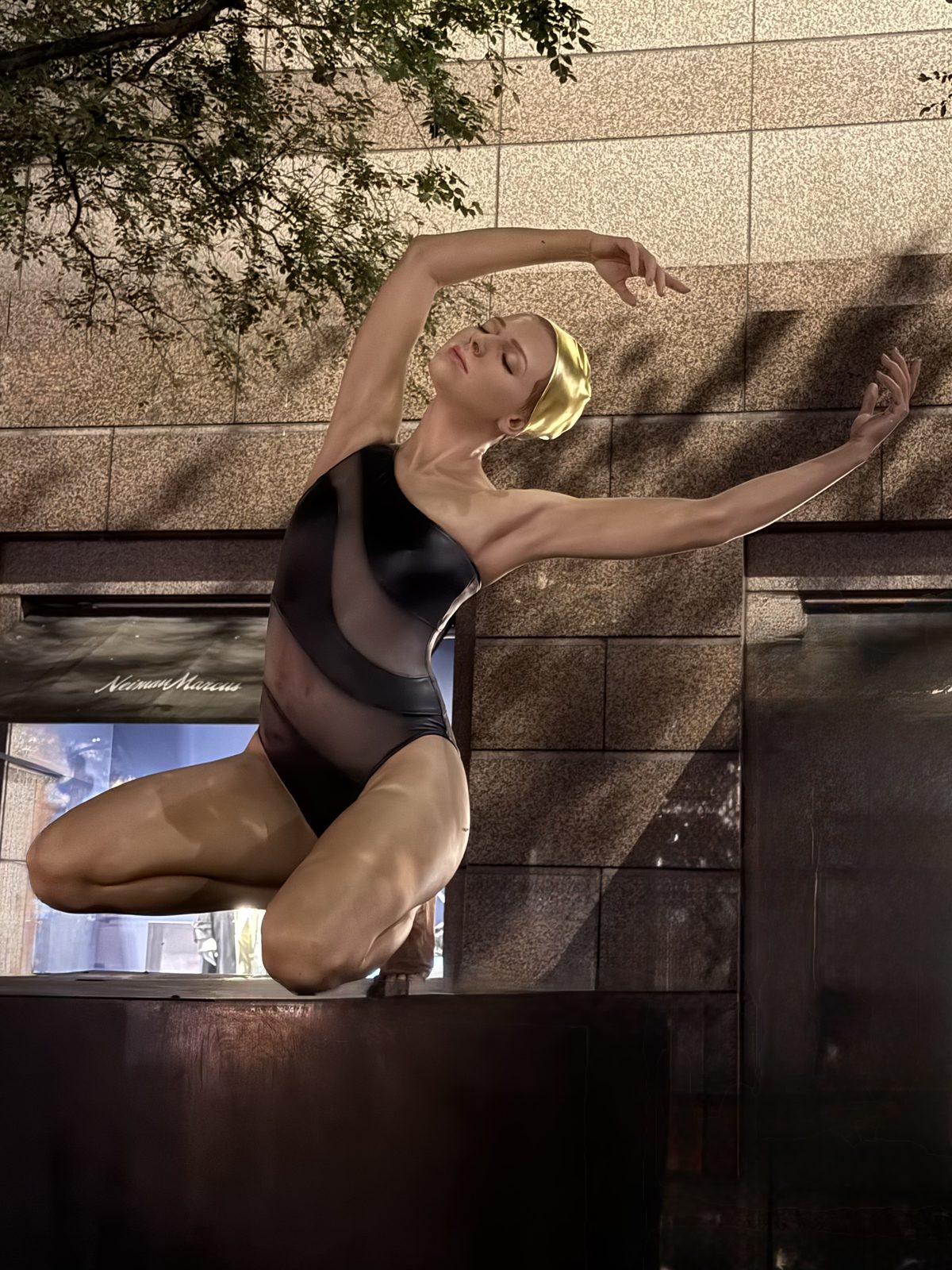
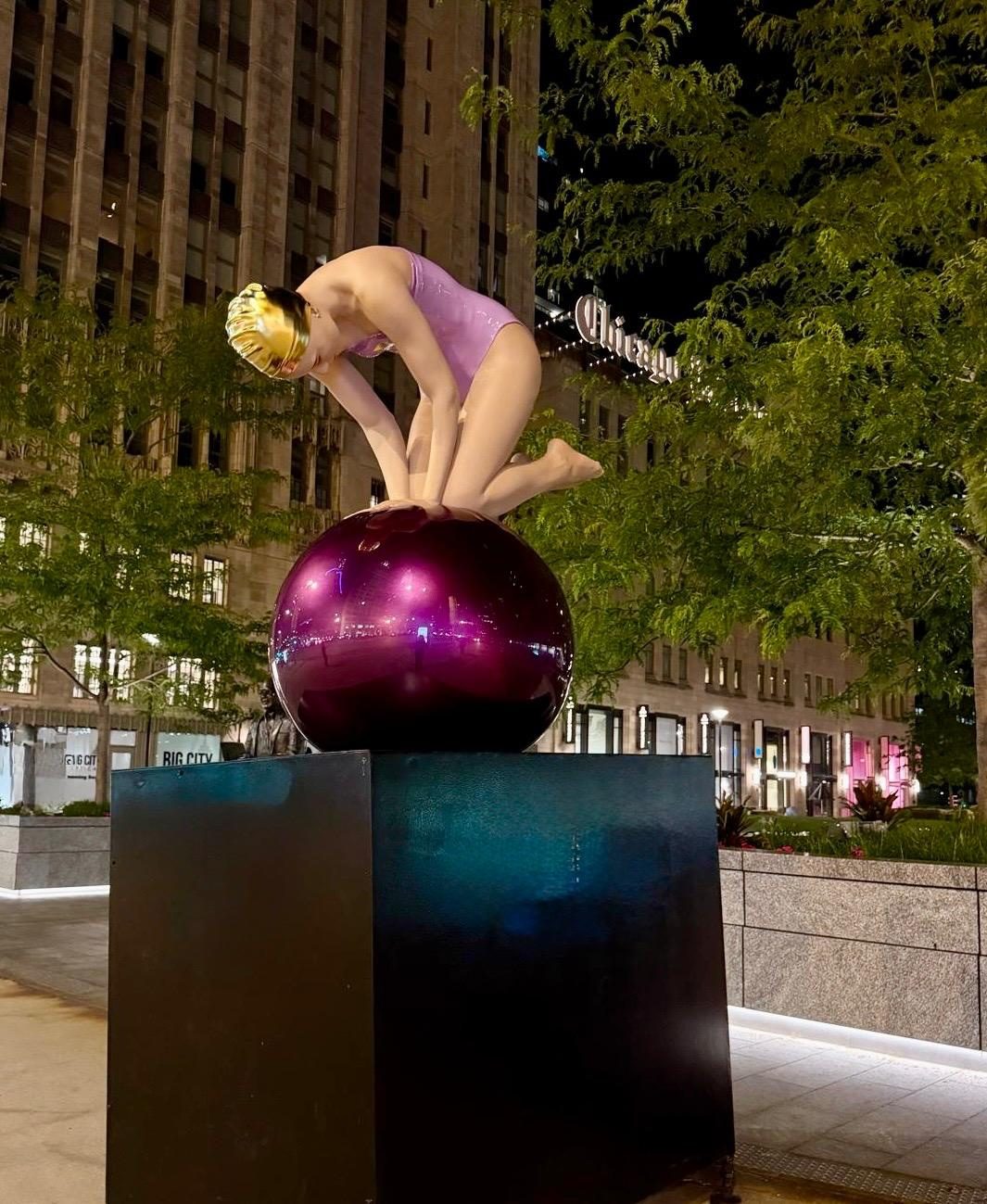
Today, my sculptures are exhibited internationally in museums, galleries, and public spaces. My monumental swimmers have appeared on Park Avenue in New York, along Chicago’s Magnificent Mile, beneath the Eiffel Tower in Paris, and at the Heydar Aliyev Center in Baku, Azerbaijan.
On November 9, 2026, I will unveil ten monumental sculptures on Rodeo Drive in Beverly Hills for a yearlong public exhibition titled Monuments of Stillness. It will be my first major public outdoor exhibition in the Los Angeles area.
I don’t think of the people who acquire my sculptures simply as customers. They become part of the continuing life of the artwork. My goal is to create something that moves people emotionally, something they can live with, return to, and discover something new in over time. Art has the ability to change the way we experience a space and, sometimes, the way we see ourselves.
If someone wants to start a business, what advice would you give them?
My advice is to believe in your vision, especially when other people don’t. When I began my career, women artists were often not taken seriously. I was once told by an art dealer to go home and have babies instead of pursuing my career. I already had three children, but I refused to accept that being a mother meant I couldn’t also be an artist.
Building a career requires persistence, discipline, and the willingness to take risks. Talent is important, but talent alone isn’t enough. You have to learn how to communicate your ideas, build relationships, understand the business side of your profession, and keep going when doors close.
Most importantly, don’t spend your life trying to become what other people expect you to be. Find what makes you different and build on it. The very thing that makes you unusual may eventually become your greatest strength.
What is one piece of feedback from a happy customer or client that you won't forget?
One of the most meaningful things people tell me is that they see themselves in my swimmers. Some say they connect with my sculptures because they were swimmers themselves, but I believe the connection goes much deeper. In one way or another, we are all swimming through life, trying to stay afloat, find our balance, and overcome the currents that challenge us.
My swimmers often have their eyes closed. They appear peaceful, but that stillness can represent tremendous inner strength. When someone tells me that a sculpture gives them a sense of peace, reminds them of their own struggles, or makes them feel understood, I know that my work has communicated something beyond its physical appearance.
That is the greatest compliment I can receive as an artist. I want people to recognize something of themselves in my sculptures.
One of the most meaningful experiences of my career involved Andrea Bocelli, the extraordinary Italian tenor. Andrea is blind, so when he encountered my sculptures, he experienced them through touch. He explored the surfaces, the contours, and the expressions with his hands.
As an artist whose work is often discussed in terms of visual realism, that experience was profoundly moving. It reminded me that sculpture is not simply about what we see. It is about what we feel.
His wife, Veronica, has also become a collector of my work, and I created a sculpture inspired by her and their daughter that I donated to their foundation. Experiences like these remind me that the greatest reward of making art is the human connection it creates.
Where do you see your company in the future?
I am more ambitious today than I was when I began my career. I am currently developing a new body of work called Tattooed Mythologies, which combines sculpture, mythology, and drawing to explore conflict, identity, memory, and resilience. I am also creating an immersive installation called the Mirror Room, where reflections multiply the human figure and continually change the viewer’s experience.
My museum exhibition, Reborn into the Water, at the Heydar Aliyev Center in Baku has been extended through January 2028, and several additional museums have expressed interest in presenting the exhibition afterward.
My long-term goal is to continue expanding the conversation around my work through major museum exhibitions and retrospectives, while introducing my sculptures to new generations and audiences around the world.
I also founded the Feuerman Sculpture Foundation to help underrepresented artists through exhibitions, residencies, educational opportunities, and grants. I want my legacy to be more than the sculptures I leave behind. I want to help create opportunities for artists who might otherwise never have the chance to be seen.
What is the biggest misconception about your industry?
One of the biggest misconceptions is that realism is simply about reproducing what the eye sees. People sometimes look at my sculptures and focus on the water droplets, the eyelashes, or the lifelike skin. Those details are important, but they are not the reason I make art.
For me, realism is the language, not the destination.
My sculptures are about the emotional experiences we all share: courage, vulnerability, solitude, survival, and transformation. The swimmers often have their eyes closed because I want viewers to look beyond their physical appearance and consider what might be happening within them.
Another misconception is that artists succeed through inspiration alone. The truth is that an artistic career also requires extraordinary perseverance, business judgment, financial responsibility, and the ability to survive rejection. Being an artist means being both a dreamer and an entrepreneur.
What has been one of your biggest struggles building your business, and how did you deal with it?
One of my greatest struggles was establishing myself as a serious woman artist at a time when the art world was dominated by men. I was raising three children while trying to build a career, and I often encountered people who assumed that my responsibilities as a mother would prevent me from achieving anything significant.
There were financial difficulties, personal setbacks, and moments when I questioned whether I could continue. But I never stopped making art. I learned to support myself through commercial illustration, developed my own sculptural language, and gradually built relationships with collectors, galleries, and museums.
What sustained me was the belief that I had something important to say. I didn’t want to make art simply to please the market. I wanted to make work that was unmistakably my own.
Today, after more than fifty years, I am still creating, experimenting, and taking risks. In 2026, I received the International Sculpture Center’s Lifetime Achievement Award, an honor that was especially meaningful because it recognized a lifetime of persistence and artistic exploration.
My greatest lesson has been that rejection doesn’t determine your future. What matters is what you do afterward.
Who was your favorite music artist and athlete growing up?
One of my favorite musicians has always been Stevie Wonder. Beyond his extraordinary musical talent, I feel a special connection to the way he experiences the world without sight. When I close my eyes, I can often see my sculptures more clearly in my imagination than when my eyes are open. I can visualize their forms, their emotions, and what I want them to communicate.
I created a sculpture called Eyes Open, which depicts a young woman with her eyes closed. The title reflects something I believe deeply: sometimes we see more clearly when we stop looking. Stillness allows us to turn inward and discover things we might otherwise overlook.
This idea runs throughout my work. So many of my swimmers have their eyes closed, not because they are disconnected from the world, but because they are connected to something deeper within themselves.
I have always admired athletes, particularly swimmers and divers, because of their discipline, determination, and ability to find balance between physical strength and mental focus. These qualities have inspired my sculptures throughout my career.
Music has always been part of my creative life. Early in my career, I worked as an illustrator designing album covers and music-related artwork, including projects connected to Alice Cooper and the Rolling Stones. That experience gave me an appreciation for performers who create a distinctive identity and aren’t afraid to challenge expectations.
I’ve also always admired athletes for their discipline, strength, and ability to push beyond physical and mental limitations. Those qualities are central to my sculptures of swimmers and divers. I am fascinated by the moment when physical strength and emotional stillness come together.
Any shoutouts you want to make?
To the people who stood by me: my family, my studio, my friends.
I would love to acknowledge the City of Beverly Hills, Mayor Craig A. Corman, and Melissa Morgan Fine Art for bringing my monumental sculptures to Rodeo Drive. It is an extraordinary opportunity to share my work with the people of Los Angeles in a public setting where everyone can experience it.
I also want to thank the collectors, curators, galleries, museums, and dedicated members of my studio team who have supported my work over the years.
Most importantly, I want to acknowledge my children and grandchildren, who have been part of this extraordinary journey. Being an artist has shaped my life, but being a mother and grandmother has given it an entirely different kind of meaning.
I am also excited to share my documentary, Chasing Jupiter, at a special screening at the Writers Guild Theater in Beverly Hills on November 5, 2026. The film reveals personal stories about my life, my struggles, and my journey as a woman artist that I have never shared publicly before. I hope it inspires people, particularly women, to believe that they can overcome obstacles and create a life on their own terms.
Where can our readers learn more about you and your company?
Readers can explore my sculptures, exhibitions, and upcoming projects through my official website and social media channels.
Website: www.carolefeuerman.com
Instagram: @carolefeuerman
Feuerman Sculpture Foundation: www.feuermansculpturefoundation.org
I also invite readers in Southern California to experience Monuments of Stillness, my yearlong public sculpture exhibition opening November 9, 2026, on Rodeo Drive in Beverly Hills.
My newest monograph, Carole Feuerman: Superrealist Sculptures, published by Rizzoli, offers a deeper look at my artistic journey and the evolution of my work.
I hope people will discover that my sculptures are not simply representations of the human body. They are stories about what it means to be human.