Founder Interview
Kelly Pryor
My biggest piece of advice is to start before you feel completely ready—but not before you’ve done the work to understand what you’re getting into.
So nice to meet you! First off, what’s your name? Tell our readers a bit about yourself: where you’re from originally and where you live now.
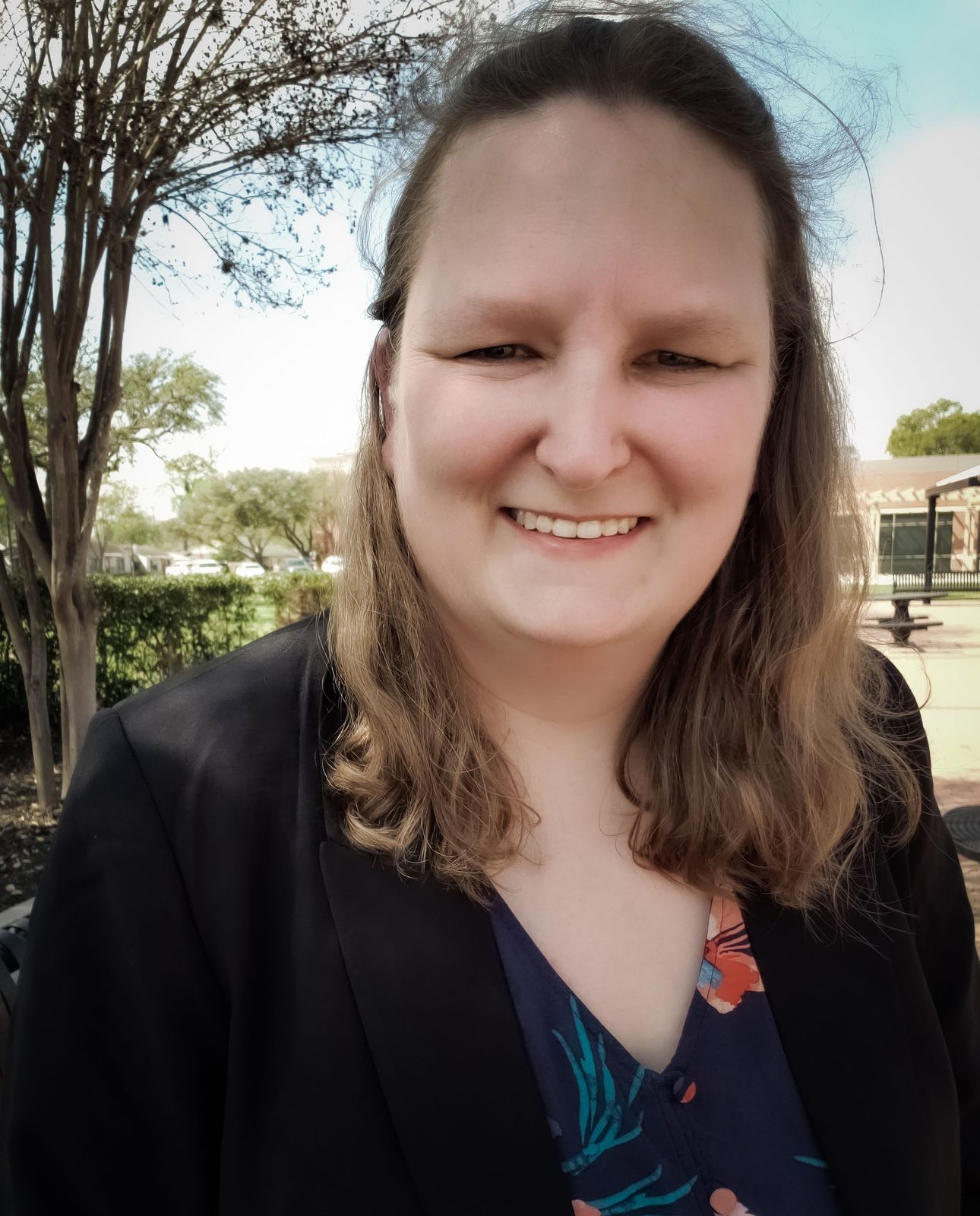
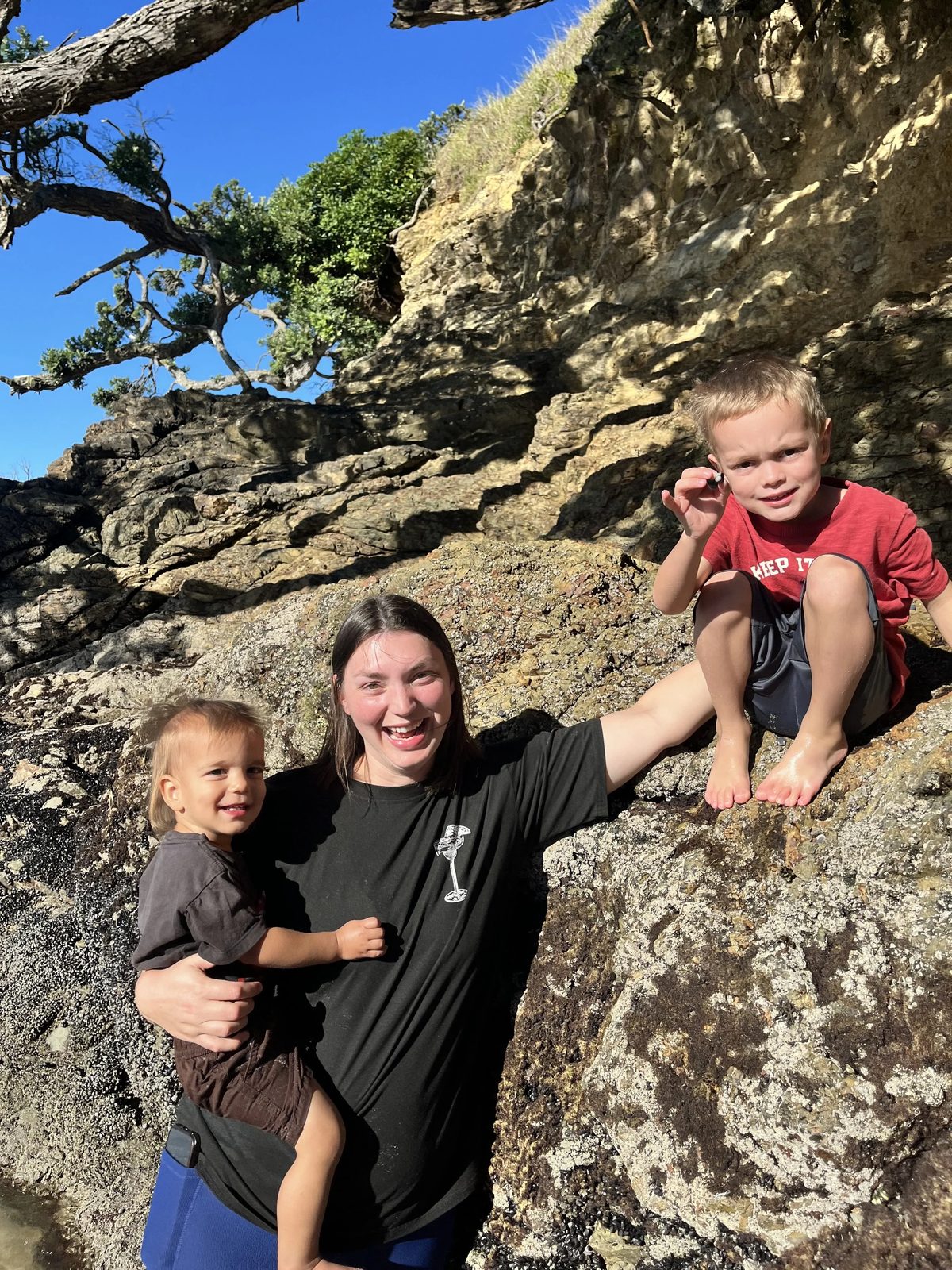
Hi! My name is Kelly Pryor. I’m originally from New Zealand and now call Casa Grande, Arizona home, where I live with my husband and our two young boys.
A lot of who I am has been shaped by working with children and families, becoming a mother, and experiencing firsthand how much parents need spaces that feel welcoming to them too—not just somewhere to take their children.
I’ve always been drawn to creating environments that feel thoughtful, calm, and community-oriented, and that has naturally carried into the business I’m building now. Tiny Bears Playhouse grew out of that combination of early childhood experience, motherhood, and a genuine desire to create something meaningful for families in the community I now call home.
What's one thing you love about where you live now?
One of the things I love most about living in Casa Grande is the community I’ve found here, especially through motherhood. I’ve built some really meaningful friendships with other moms, and over time those friendships have naturally extended to our husbands and children too.
There’s something really special about having people nearby who understand the same stage of life—the chaos, the funny moments, the hard days, and the need for genuine connection. Those friendships have made Casa Grande feel much more like home to me, and they’ve also influenced the kind of community I hope Tiny Bears can help create for other families.
Tell us a little bit more about what your company does and how it started. How does it help your customers?
Tiny Bears Playhouse is an indoor play space and café concept created for young children and the adults who bring them. The goal is to offer a space where children can explore, imagine, move, and play freely, while parents and caregivers have somewhere comfortable to sit, enjoy a treat, connect with friends, and genuinely enjoy the experience too.
The idea started from a very simple frustration: so many family spaces are designed almost entirely around children, often leaving adults overstimulated, uncomfortable, or counting down the minutes until it’s time to leave. I kept thinking about how different the experience could be if both children and adults were considered from the very beginning.
Tiny Bears is being designed around that balance. The play environment will be intentional, engaging, and developmentally enriching, while the café and seating areas will feel calm and welcoming. I also want the business to become a genuine community hub by offering parent groups, local partnerships, workshops, and other family-centered events.
Ultimately, Tiny Bears helps families by providing a place where they can spend meaningful time together without one person's enjoyment coming at the expense of the other's. I want children to be excited to return, and I want parents to feel exactly the same way.
If someone wants to start a business, what advice would you give them?
My biggest piece of advice is to start before you feel completely ready—but not before you’ve done the work to understand what you’re getting into.
Tiny Bears is still a work in progress and hasn’t opened yet, so I’m very much in the middle of that journey myself. I’m learning in real time how much clarity comes from simply moving forward, asking questions, and making one informed decision at a time.
It’s easy to get stuck waiting for the perfect time, the perfect amount of money, or the perfect plan. In reality, a business usually becomes clearer as you build it. Do your research, understand your numbers, and be willing to adapt when things don’t go exactly as planned.
I also think it’s important to separate excitement from decision-making. Loving an idea isn’t enough on its own—you also need to know who it serves, what problem it solves, what it will cost to operate, and whether the business can realistically support itself.
Finally, don’t underestimate the value of community. The right conversations, encouragement, introductions, and support can move your business forward in ways you may never expect.
What's one piece of feedback from a happy customer or client that you won't forget?
Tiny Bears hasn’t opened yet, so I don’t have customer feedback from the physical space just yet. However, one of the most encouraging forms of feedback has come from the people around me and from local families who have been following the journey.
The interest list has grown to around 190 families before we’ve even opened our doors, which has been incredibly validating. Some of the comments that have stayed with me the most have come from friends who know me well, such as, “You’re the perfect person to be doing this,” “I’m so proud to know you,” and “You’re such an inspiration.”
Those words mean a lot because Tiny Bears is deeply connected to my background, my experience working with children and families, and the kind of environment I’ve always wanted to create. Having people who know me personally recognize that connection has been one of the most meaningful forms of encouragement so far.
Where do you see your company in the future?
I see Tiny Bears becoming much more than just an indoor play space. My hope is that it grows into a true community hub for families, a place people return to not only because their children love it, but because they feel connected there.
In the future, I’d love to expand beyond everyday play by offering parent groups, workshops, community events, collaborations with local professionals, and other opportunities that support families throughout the different stages of early parenthood and childhood.
I also hope Tiny Bears becomes known for its thoughtful attention to detail—the kind of place where families feel genuinely welcomed, valued, and comfortable from the moment they walk through the door.
What is the biggest misconception about your industry?
I think one of the biggest misconceptions is that indoor play spaces are simply places for children to burn off energy while the adults wait around.
There can be so much more value in them than that. A thoughtfully designed play space can support imagination, independence, social development, movement, and confidence, while also giving parents and caregivers a place to connect and feel supported.
I also think people sometimes underestimate how important the adult experience is. Parents are much more likely to return to a place that feels comfortable, calm, clean, and welcoming to them too. That is a big part of what I want Tiny Bears to do differently — create an experience that considers the whole family, not just the child.
What has been one of the biggest struggles in building your business, and how have you dealt with it?
One of the biggest challenges has been learning how much patience it takes to build something the right way.
Tiny Bears is still in the development stage, and there have been times when I’ve wanted things to move faster, whether it’s securing the right location, finalizing funding, navigating build-out logistics, or making sure the financials continue to make sense as the concept evolves.
I’ve managed that by focusing on what I can control. If I can’t sign a lease yet, I can refine the business plan. If I can’t begin construction, I can work on the play structure, sourcing, branding, operations, and building relationships within the community. There’s always another step I can take.
I’ve also learned that delays aren’t necessarily setbacks. Sometimes they give you the opportunity to make better decisions, identify potential problems early, or strengthen the concept before making major financial commitments. That mindset has helped me stay patient and continue building momentum, even during the quieter stages.
Who was your favorite music artist and athlete growing up?
Honestly, I don’t think I could name just one favorite music artist. I’ve always enjoyed music from so many different genres that choosing only one would be impossible.
I was very active growing up. I danced for about ten years and also played field hockey. Being raised in New Zealand, rugby was naturally a huge part of the culture. Even though I didn’t play rugby myself, the All Blacks were simply part of growing up as a Kiwi.
Even now, whenever I watch the All Blacks play or see the haka, I immediately feel a sense of pride and connection to home. It’s one of those things that reminds me of my New Zealand roots, no matter how far away I am.
Any shoutouts you want to make?
Absolutely! I’d love to give a shoutout to my husband, Jacob, who has supported Tiny Bears from the very beginning and has given me the freedom and encouragement to keep pursuing it, even through the slower and more uncertain stages.
I’d also like to thank my parents, family, and close friends for their encouragement, advice, ideas, and constant reminders that this is something worth building. Their support has made the journey feel much less lonely.
And of course, my two boys deserve a huge shoutout. They are a big part of the passion and motivation behind Tiny Bears. Being their mom has shaped how I think about play, childhood, family spaces, and the kind of experience I want to create for other parents and children.
Finally, I’m incredibly grateful to the Casa Grande families who have joined the interest list, followed the journey, shared kind messages, and expressed excitement for Tiny Bears before we’ve even opened our doors. Their early support has meant more than they probably realize.
Where can our readers learn more about you and your company?
Readers can learn more about Tiny Bears Playhouse by following us on Instagram and Facebook, where I regularly share updates as the business continues to take shape.
They can also visit our website at tinybearsplayhouse.com to learn more about the concept and join the interest list for future opening updates, memberships, events, and other announcements.
Since we’re still in the development stage, social media is the best place to follow the journey in real time, from planning and design to all the little details that will eventually come together to create the finished space.