Founder Interview
Nishanth Ramasubramanian
Don’t make creative decisions in a vacuum. You have to hold the whole movie in your head whenever you make even a small choice. The larger vision needs to filter down into…
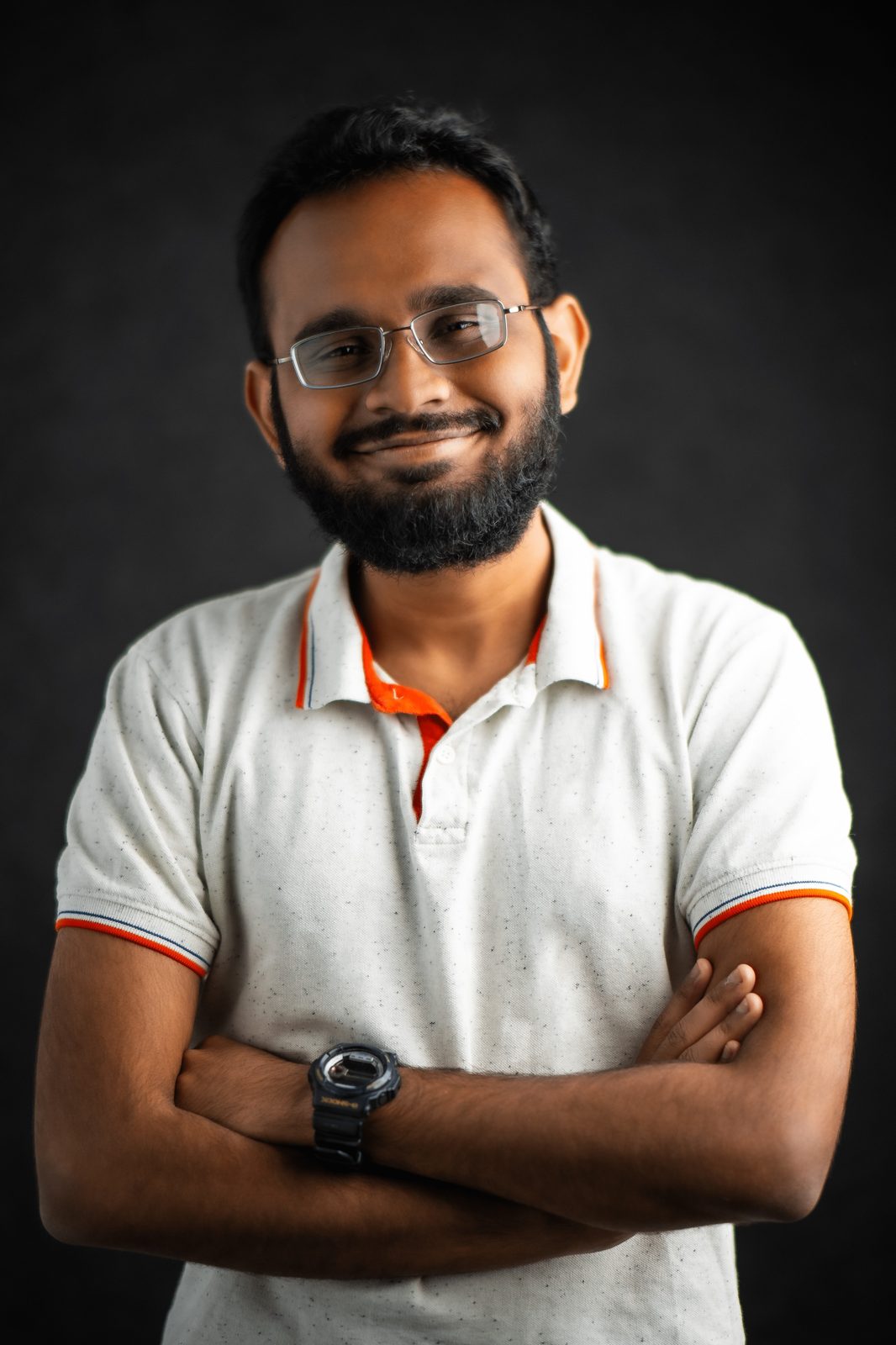
Tell our readers a bit about yourself: where you're from, and where you live now.
Thank you for having me! My name is Nishanth Ramasubramanian. I'm a writer and director originally from Chennai, India, now based in Los Angeles.
How did you first fall in love with filmmaking?
When I was about eight years old, I was digging around the cabinets in my uncle's house and found a dusty DVD of The Great Escape. I don't think my uncle had ever actually watched it himself. But some combination of the title, the cover image of Steve McQueen hopping a barbed-wire fence on his motorcycle, and the blurb on the back promising a thrilling tale of action and adventure hooked me. I just knew I was going to love this movie.
I remember taking it home and watching it that same night, and then watching it a second time the very next day. I was swept up by the epic scope, and the larger-than-life emotions and themes; I think I understood on a subconscious level what this particular medium could uniquely achieve. And from then on, I became fascinated by the behind-the-scenes stories of how movies were made... which quickly turned into a desire to make them myself.
Tell us about your work. What kinds of stories are you drawn to, and why?
My own work is quite different to The Great Escape, but motivated by what I still love about that film: the use of crowd-pleasing cinematic storytelling as a delivery mechanism for deeper ideas. I make darkly comedic, genre-inflected satires that are hopefully accessible and entertaining to a wide audience, while acting as a surface to the sociopolitical and philosophical commentary underneath. I studied both film and philosophy in college, and that duality is at the heart of all my projects. I’m interested in stories that can make an audience laugh or feel suspense before gradually revealing something more substantive.
Which of your projects are you most proud of, and what was the story behind making it?
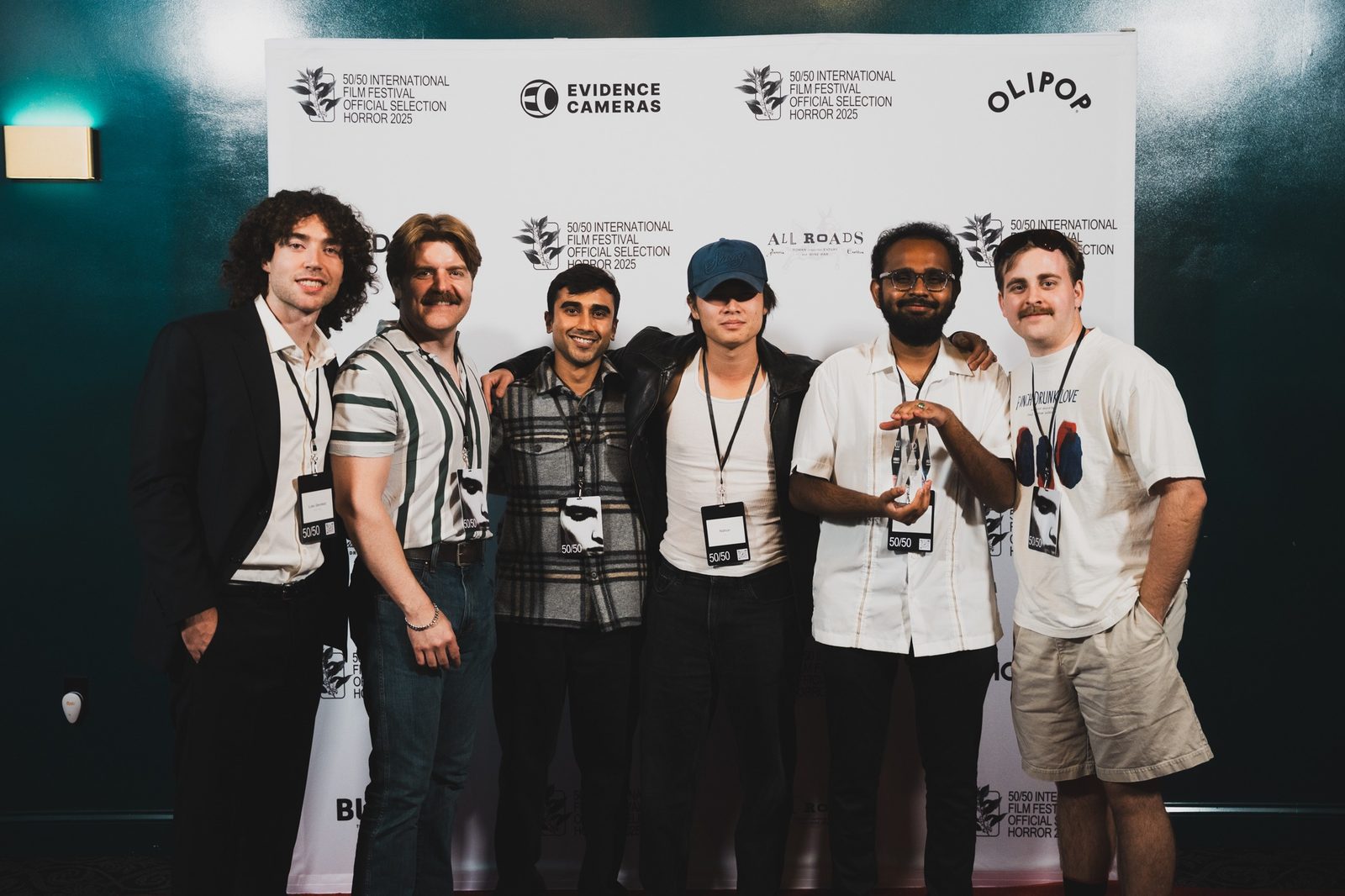
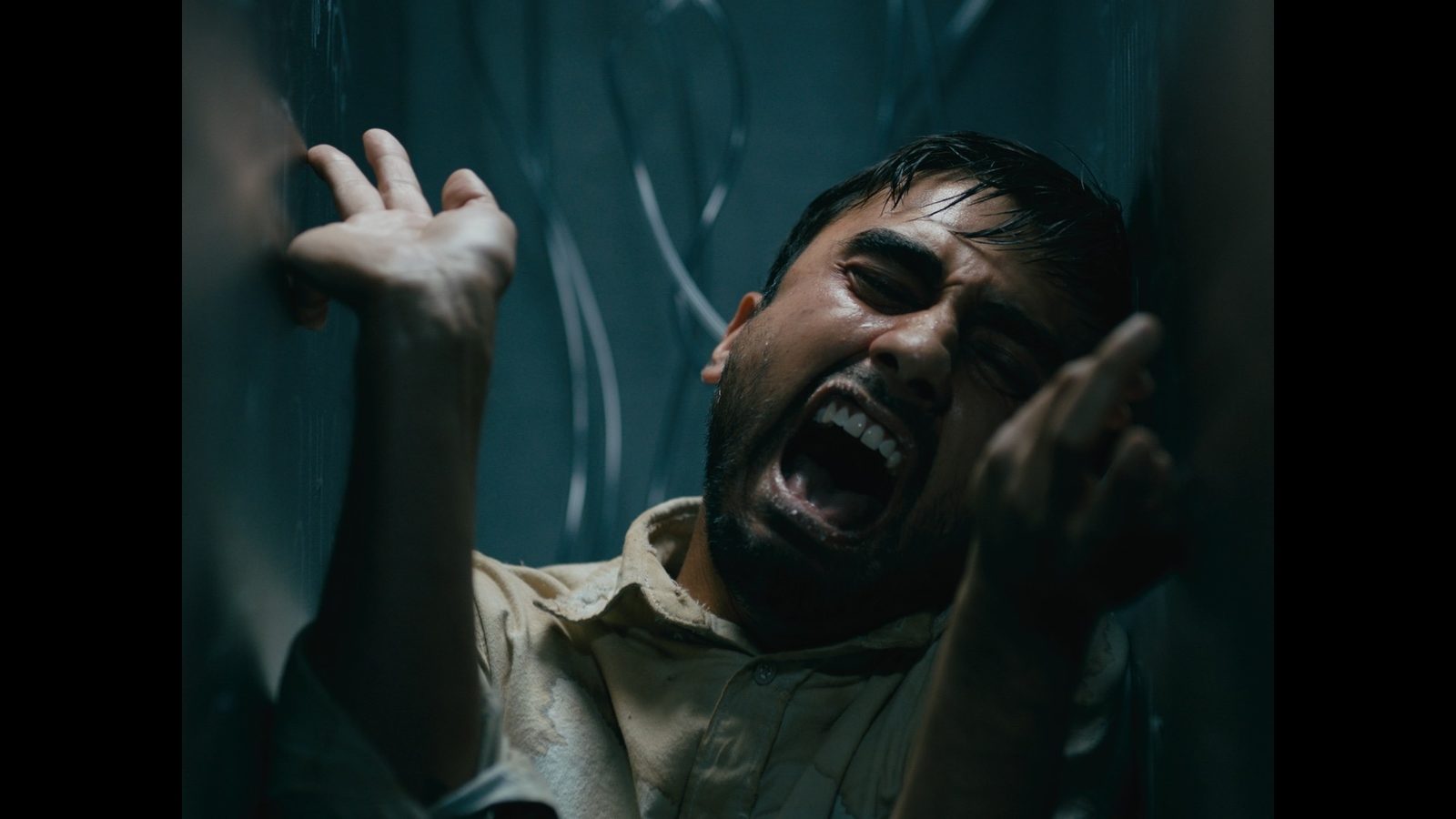
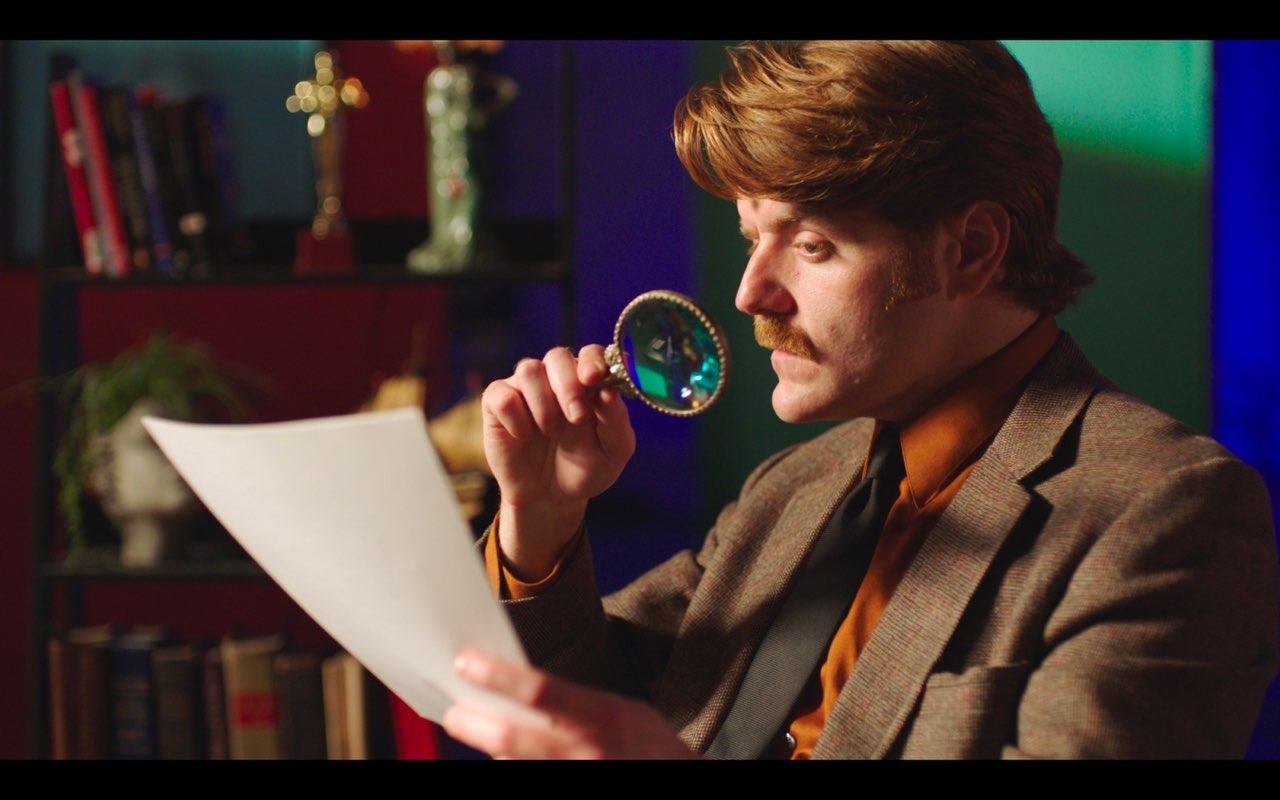
That has to be my latest horror-comedy short film, Indian in a Box, which is about exactly what the title promises: an Indian man trapped in a metal box. He has certain mysterious tasks he needs to perform... lest he be crushed by the walls closing in. Indian in a Box came about as a spiritual sequel to one of my other shorts, Phil Gunderson Teaches Screenwriting; I wanted to tackle similar themes of outsourcing and minority exploitation, but this time with a focus on technology and automation.
I'm most proud of how the film is structured like a joke: an enticing premise giving way to a long build-up to a silly punchline. I think it's my most successful attempt so far at mixing incisive satire with genre thrills.
What does your process look like, from the first idea to the final cut?
I'm constantly mining my own life experiences and learnings for arresting images. Once I find an image I can't stop thinking about – sometimes a funny idea with a deeper implication, other times a perfect metaphor to dramatize some social issue that's on my mind – then I know I have an interesting foundation for a film. I keep turning that image over in my head until I understand what kind of character would be in the middle of it.
After solidifying those starting pieces, I identify a central conflict and build supporting characters whose personal desires put pressure on it. I outline fairly carefully, but I try to leave enough room for the actors, locations, and practical realities of production to change the film in useful ways.
The final cut is where I usually discover what the movie actually is. The screenplay gives me an argument, but editing shows me which moments have real life in them and which ones only worked on the page. I try to remain open to that discovery.
What has been one of your biggest challenges as a filmmaker, and how did you deal with it?
One of the biggest challenges has been learning how to protect the strange or specific part of an idea while making it palatable to other people. Many of my projects begin with a premise that sounds absurd or difficult to categorize. There's always a temptation to make that premise more familiar before anyone else can understand it. I've dealt with that by learning to distinguish between confusion and resistance. If people are confused about the mechanics of a story, I need to clarify them. If they simply want the story to be less strange, I usually need to trust the strange part. The goal is to keep the ideas unconventional, but still emotionally clear.
What is the biggest misconception about being a filmmaker?
I often meet people who think that being a filmmaker means your entire creative life has to revolve around movies. They assume the best way to become a filmmaker is to watch only the kind of cinema you want to make, or to develop an encyclopedic knowledge of film.
I do think filmmakers should watch widely: local and foreign films, arthouse and blockbuster movies, old and new work, things that seem completely unrelated to their own style. But your creative life also needs to extend beyond cinema. History, technology, politics, philosophy, personal experiences, and ordinary observations can all become sources of inspiration. The more varied your interests are, the more unexpected connections you can make. Film absolutely gives those connections a form, but it doesn't have to be the source of every creative impulse.
What advice would you give someone who wants to start making films?
Don’t make creative decisions in a vacuum. You have to hold the whole movie in your head whenever you make even a small choice. The larger vision needs to filter down into everything: the way a character moves through a scene, a visual motif that pays off much later, a line of dialogue that sets up something in the final act, or a shot that echoes one from an earlier sequence. That's how you get a finished work that feels cohesive, with every choice coming off as deliberate. That interconnected thinking is one reason short films are such a useful training ground for features. You are practicing the same kind of discipline, but there is less film to hold in your head at any given time.
Which filmmakers or films have influenced you the most?
David Lynch has probably had the deepest influence on me, although I could never consciously try to replicate him or deliberately infuse his sensibility into my own work (that'd be disastrous). His work is always somewhere in the background of how I think about ideas, though – particularly the empathy he brings to strange people, and the way he allows his images to remain mysterious and resist categorization. And I adore his ability to find profundity inside something funny or deeply unsettling.
Bong Joon-ho and Jordan Peele also come to mind for the way they make social ideas feel immediate through the intersection of comedy and suspense. The Twilight Zone and Black Mirror have been influential for similar reasons.
More than any particular visual style, I'm interested in filmmakers who trust an audience to engage with an idea while still giving them a compelling story to follow.
What are you working on next, and where do you see your career going?
In January, I'll be directing another horror-comedy short film, Friend-for-Hire.com. The film is about a lonely Indian immigrant who "rents" an American friend through an online friendship service. It begins as an awkward social comedy and gradually moves into much darker territory. John Altschuler, the co-creator of Silicon Valley and showrunner of King of the Hill, is producing. And we just received funding from Netflix through the Tasveer Film Festival, so we're incredibly grateful and excited about that!
We're also currently in development on a feature version of the same project. But more broadly, I want to keep moving toward features without abandoning the freedom and experimentation of short films. I’m interested in telling stories in both the United States and India, and in building a body of work connected by its themes rather than by one fixed genre.
Any shoutouts you want to make?
Absolutely! I'd love to shout out my regular creative collaborators.
Aiden Meyer was my freshman-year roommate in college, which means he's known me for longer than most people would probably choose to. He's my wonderful co-writer and actor on Friend-for-Hire.com. He also edited Phil Gunderson Teaches Screenwriting.
Nathan Xia and Jacob Staudenmaier are close college friends and confidants who have been writing partners of mine on various projects, in addition to co-producing Indian in a Box.
Other fantastic writing partners include Aman Puri, Alexandra O’Hara, Claire Dalton, and Andrew Simmons. They've each brought perspectives that challenged and expanded my own, taught me invaluable things about writing, and made me a better writer even when I’m working alone.
I grew up with John Altschuler's work on King of the Hill and Silicon Valley, so having him believe in me and support my upcoming projects (starting with Friend-for-Hire.com) is a crucial milestone in my career. His involvement has helped bring these projects into a larger professional context, and I’m honored by his generosity and confidence.
I’m also grateful to the cast and crew who continue to work with me, including brilliant actors like Luis Ochoa and Anish Chandak, production designers Jeanie Laybourn and Melissa Zhuang, and assistant directors Bretta Lichtenwalner and Lauren Chappell.
Finally, beyond those specific projects, I owe a great deal to the community of filmmakers I've found in Los Angeles. Independent filmmaking can be lonely, so having people who will critique your work, challenge your instincts, and still help you clean up at the end of a shoot is invaluable.
Where can our readers watch your work and follow you?
You can find me on Instagram (@nramasub), Twitter (@mistermustang), or Letterboxd (@mistermustang). My films are currently making their way through the festival circuit, so those are the best places to follow updates about upcoming screenings and releases.