Founder Interview
Sri Gadde
I'd say that entrepreneurship requires a certain level of confidence, and sometimes, if we're being honest, a little bit of delusion. You have to believe that people will…
So nice to meet you! First off, what’s your name? Tell our readers a bit about yourself—where you’re from originally and where you live now.
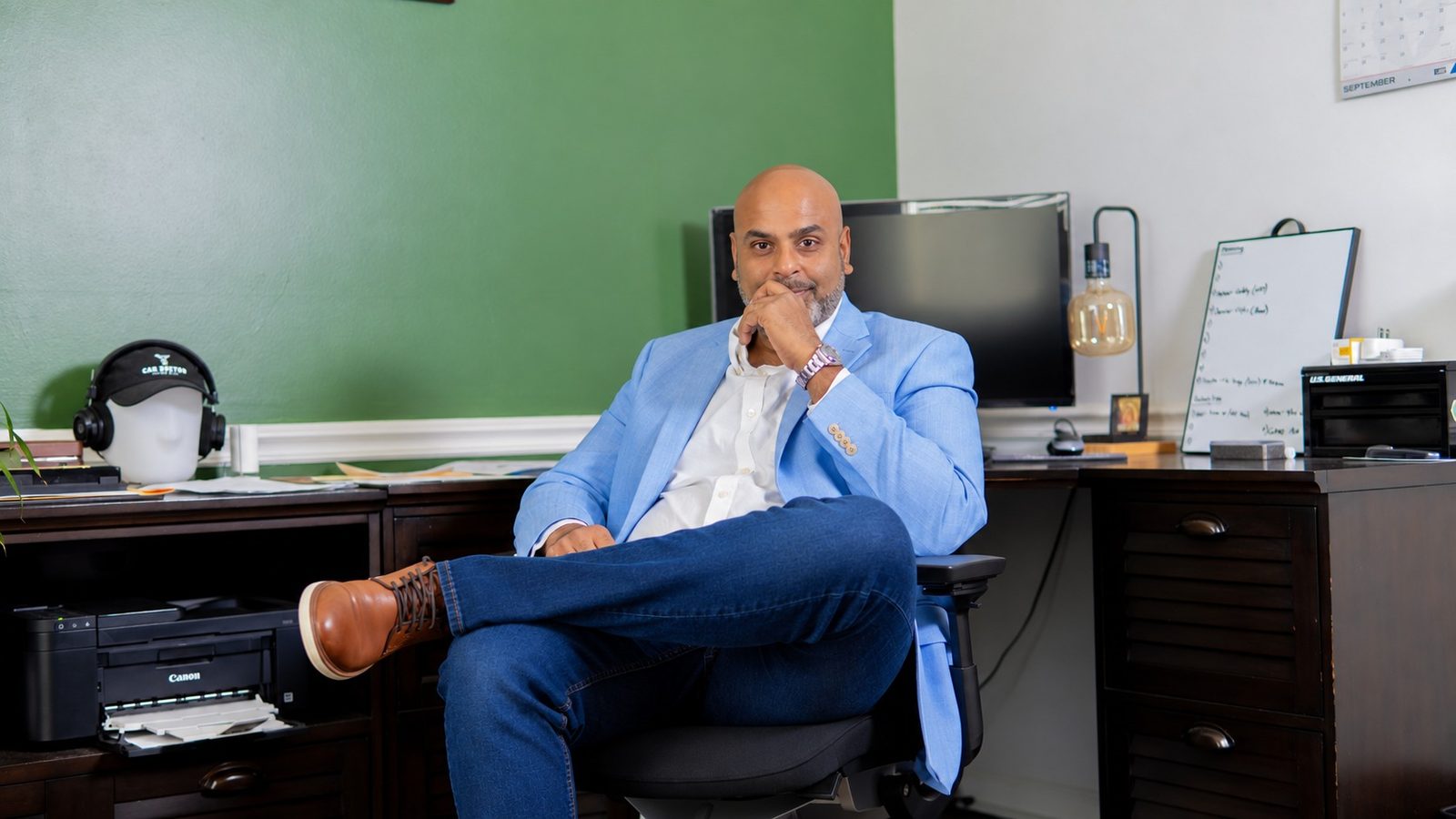
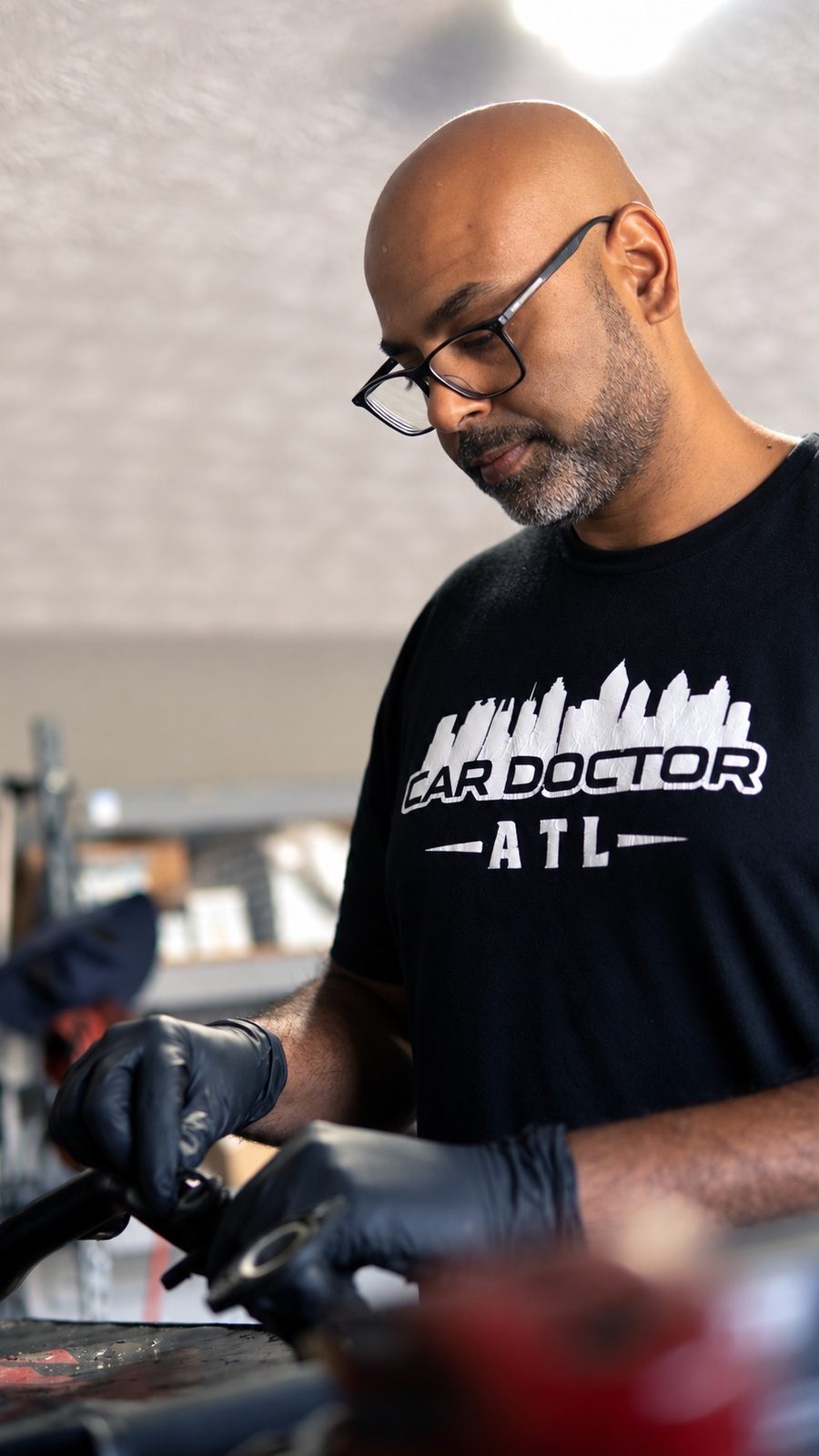
My name is Sri Gadde. I was born and raised in Queens, New York, and will always consider myself a New Yorker at heart. Today, I live in McDonough, Georgia, after spending several years in the greater Atlanta area. As a first-generation American raised by immigrant parents, I grew up valuing family, hard work, and perseverance. Those values continue to shape how I approach life, business, and the relationships I build with my clients.
Tell us one thing you love about where you live now.
One thing I really appreciate about living in McDonough is the balance it offers. Having grown up in New York City and spent years living in different parts of the greater Atlanta area, I've experienced both the excitement of city life and the appeal of the suburbs. McDonough gives me the best of both worlds. There's a sense of space, community, and a slower pace of life that I really value, while still being close enough to Atlanta to enjoy everything the city has to offer.
Another thing that makes this area particularly meaningful to me is that it represents an underserved market, especially when it comes to automotive repair and specialized services for higher-end vehicles. A large concentration of established repair facilities, particularly those specializing in luxury and European vehicles, tends to be located on the north side of Atlanta, where household incomes are generally higher. Yet the same vehicles, with the same maintenance and repair needs, are just as common several dozen miles south.
I've always felt that a community shouldn't have to travel across the metro area to receive quality automotive care. Too often, business decisions are driven by the potential value of an individual repair order rather than the long-term value of serving an entire community. I believe there's tremendous opportunity in changing that mindset.
Tell us a little more about what your company does and how it started. How does it help your customers?
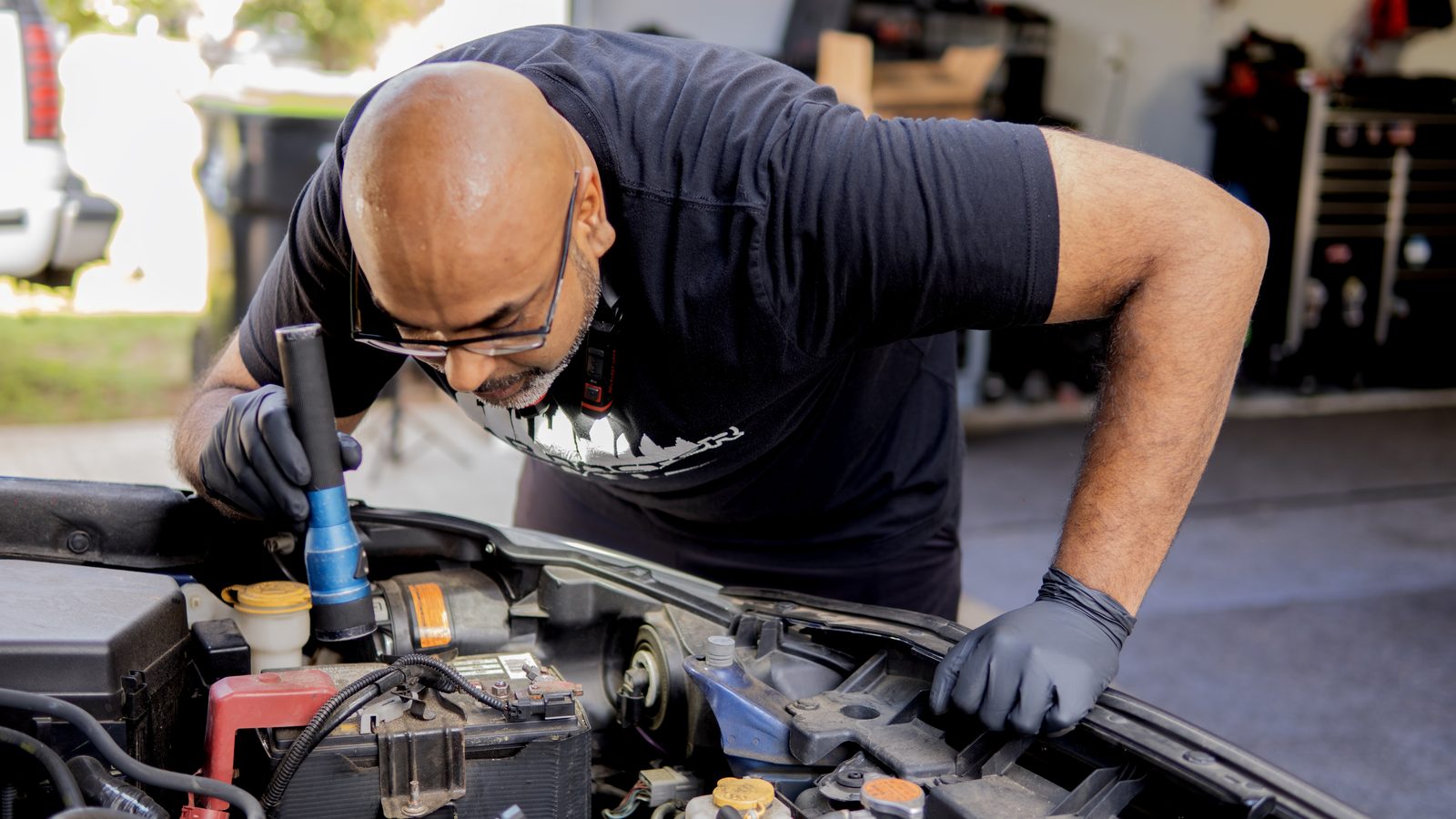
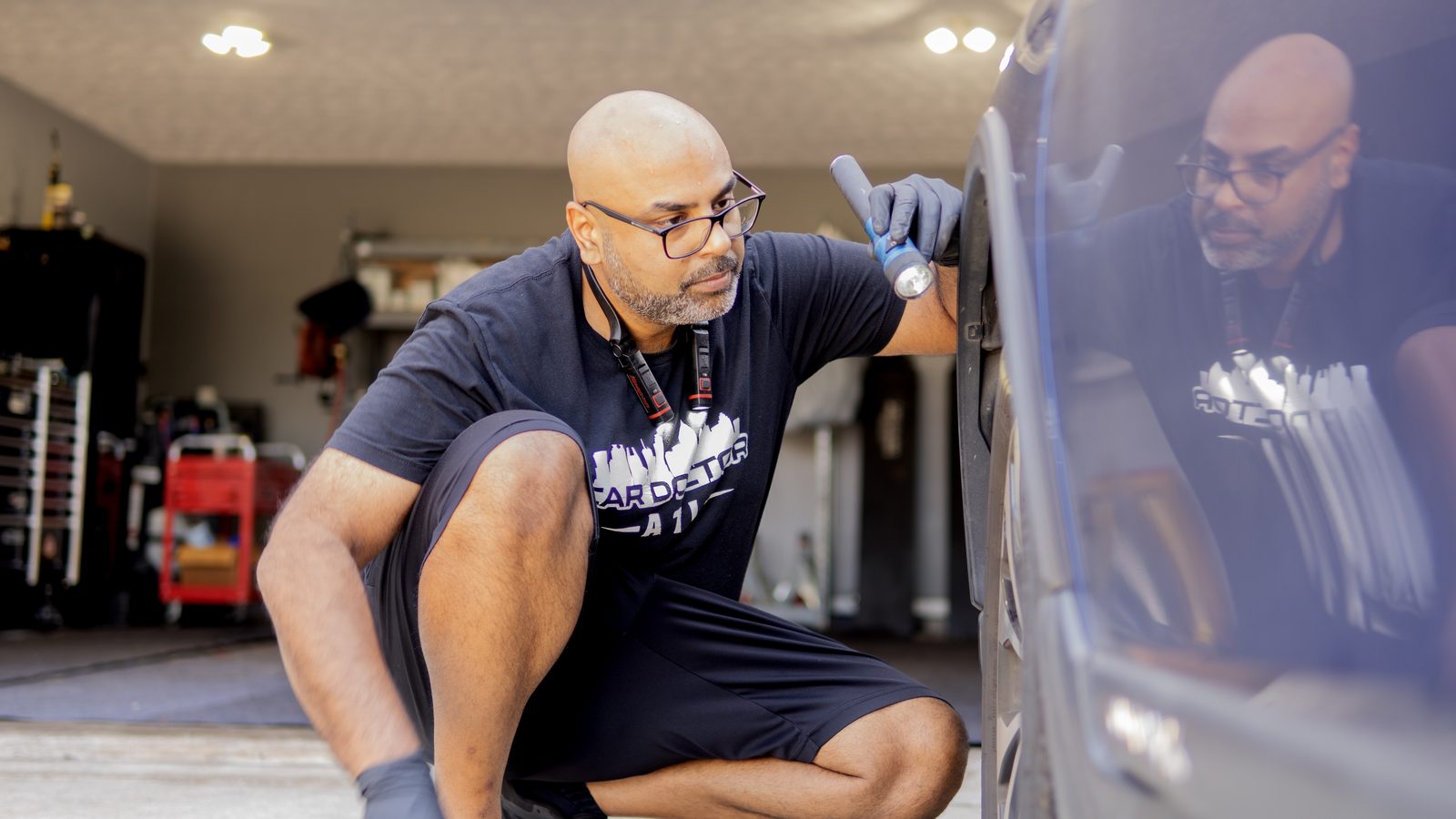
CarDoctorATL is an automotive repair and diagnostic business that I founded with a slightly different approach to how automotive care should be delivered. We provide mobile diagnostic services, maintenance, and general repairs throughout much of the greater Atlanta area, while also offering more extensive repair services from our home base in McDonough, Georgia. We work on most makes and models, with a network of experienced and specialized technicians that allows us to match the right expertise to each customer's needs.
What makes our approach particularly valuable to customers is the emphasis we place on transparency and communication. We document our findings, share photographs when appropriate, explain what needs attention, and provide estimates and recommendations so customers can make informed decisions. We also maintain direct communication with our customers. When someone calls or texts CarDoctorATL, they're communicating with an actual person who understands their vehicle and their concerns, not an automated assistant or an endless voicemail system.
Ultimately, I want customers to feel that they have someone in their corner when it comes to their vehicles. Automotive repairs can be intimidating, expensive, and confusing, especially when customers aren't sure whether they're being told what they actually need. My goal is to remove as much of that uncertainty as possible.
If someone wants to start a business, what advice would you give them?
I'd say that entrepreneurship requires a certain level of confidence, and sometimes, if we're being honest, a little bit of delusion. You have to believe that people will eventually see you for what you have the potential to become, rather than just what you are at that particular moment. Especially in the beginning, when nobody knows your name, you haven't established your reputation, and you don't necessarily have much to show for all the work you're putting in.
Another important lesson is to understand the difference between being good at a particular trade and actually running a business. They're two very different skill sets. You might be an excellent mechanic, accountant, designer, or contractor, but that doesn't automatically mean you know how to manage cash flow, market your services, establish pricing, manage customers, or make decisions that keep the business financially sustainable. You have to be willing to learn those things just as seriously as you learned your profession.
I'd also encourage anyone starting a business to focus on building relationships rather than chasing transactions. It's easy to get caught up in how much money you can make from the next customer or the next sale. But I've found there's much more long-term value in earning someone's trust and building a relationship that lasts. A satisfied customer can become a repeat customer, a referral source, and someone who genuinely wants to see your business succeed.
If I could leave someone with one thought, it would be this: Start before everything is perfect, believe in what you're building even when others can't see it yet, and be willing to put in the work to turn that vision into something real. A little delusion might get you started, but discipline, consistency, and the relationships you build along the way are what will keep you going.
What is one piece of feedback from a happy customer or client that you won't forget?
I've heard some pretty unbelievable stories from customers over the years. Everything from mechanics guessing at problems and never actually diagnosing them, to incomplete repairs, claims of work being performed when it wasn't, taking someone's money and disappearing, or quoting outrageous amounts for repairs that may or may not even solve the problem. When you get down to it, trust is the common underlying theme.
Interestingly, though, when I think about the feedback and experiences that have shaped me most, I don't necessarily think about a particular compliment or five-star review. I think about something one of my medical professors told me years ago.
I remember celebrating a successful patient diagnosis, feeling pretty good about having figured something out. My professor reminded me that wins are nice, but that's your job. He went on to explain that the person who remembers their failures and learns from them will ultimately become better at what they do than the person who simply counts their wins. That statement has stayed with me ever since.
I strongly believe in that philosophy. I'm in the business of solving problems, so I expect myself to help people and get things right. I don't spend much time counting my successes. Instead, I tend to remember the vehicles I couldn't figure out, the situations where I couldn't help someone as much as I would have liked, and the cases that challenged me. Those are the experiences that force me to reflect, learn, and become better.
Where do you see your company in the future?
I envision CarDoctorATL continuing to grow into a more comprehensive automotive service network while maintaining some of the flexibility that helped us get started. I'd like to remain semi-mobile, allowing us to serve the greater Atlanta area rather than limiting ourselves to one physical location. A big part of that vision involves continuing to develop my network of technicians who specialize in different manufacturers, systems, and areas of automotive repair. I believe there's tremendous value in connecting customers with the right expertise rather than trying to be everything to everyone under one roof.
One thing I've come to appreciate about leadership is that you don't necessarily have to be the smartest or most talented person in every room. In fact, I think some of the best CEOs understand that their success depends on surrounding themselves with people who are better than they are in areas where they lack expertise. You have to recognize talent, compensate people fairly for what they bring to the table, and, just as importantly, listen to them. I don't think there's much room for ego in building a successful business.
Ultimately, I want CarDoctorATL to grow into a trusted automotive service network with a reputation that extends beyond any one individual. I'd like to create opportunities for talented technicians, serve communities that may not have easy access to specialized automotive care, and build something sustainable that continues to grow even when I'm not the one turning the wrench.
What is the biggest misconception about your industry?
I think there are a couple of major misconceptions about the automotive industry, and one actually extends to the skilled trades as a whole.
First, there's the perception that fixing cars is simply a matter of identifying a bad part and replacing it. People often assume that when a warning light comes on or something stops working, a mechanic should automatically know what's wrong. The reality is that modern vehicles are incredibly sophisticated machines, and properly diagnosing them can be just as important, if not more important, than performing the actual repair.
The other misconception, which I think has had much broader consequences, is the idea that a college education automatically represents a better career or a brighter future than pursuing a skilled trade. For decades, blue-collar work has often been viewed as dirty, underpaid, physically demanding, or somehow less prestigious. That perception has discouraged generations of young people from considering careers in automotive repair, plumbing, electrical work, HVAC, and other skilled trades.
I think that perception is finally starting to change, but we're playing catch-up. As experienced tradespeople from older generations begin retiring, there aren't always enough qualified younger workers entering these industries to replace them. Combine that with an existing shortage of proficient technicians and an increasingly complex technological landscape, and you've created a perfect storm of demand for skilled professionals.
I also think people underestimate just how much education, technical knowledge, and continuous training are required to work on modern vehicles. Automotive technology has evolved tremendously. Today's technicians are working with sophisticated electronics, computer networks, software, advanced driver assistance systems, and increasingly complex mechanical systems. This isn't simply a matter of picking up a wrench and turning bolts.
The automotive industry needs intelligent, curious, analytical people who enjoy solving problems. And quite frankly, there's no shortage of interesting or financially rewarding opportunities for people willing to develop those skills.
What has been one of your biggest struggles building your business, and how did you deal with it?
One of my biggest struggles has been dealing with the financial pressure that comes with building a business from the ground up. When I started CarDoctorATL, I didn't have an established customer base, a steady stream of income, or a financial safety net that made the uncertainty any easier. Every month brought a new challenge, and there were times when the pressure of making things work was very real.
Then there was the challenge of building a client base—not just finding people who needed their cars repaired, but earning the trust of people who would feel comfortable coming back and referring their family and friends. In this industry, that kind of trust isn't built overnight. It comes from consistently showing up, communicating honestly, doing the work properly, and treating people fairly, even when it isn't the easiest or most profitable decision. I had to earn that trust one interaction at a time. Some of the most valuable growth has come from repeat customers and referrals, because those are people essentially putting their own reputation behind recommending me.
Looking back, the financial pressure was difficult, but it also taught me resilience and forced me to become more resourceful. It reminded me that building a business isn't just about being good at what you do. It's about staying committed long enough to build something people believe in.
Who was your favorite music artist and athlete growing up?
Like most kids growing up in that era, Michael Jordan was probably my biggest sports hero. It's hard not to admire what he accomplished and the competitive spirit he brought to the game. I was also a big fan of Pete Sampras in tennis and Derek Jeter in baseball. I enjoyed following different sports, so I never really limited myself to just one athlete.
Music is a little different. I've never really had one favorite artist or a particular genre that I stuck to. I enjoy just about all types of music. Honestly, I can hear a song, enjoy it, and remember the beat long after I've forgotten the artist's name or even the name of the song! For me, it's always been more about the rhythm and how the music makes me feel than following one particular artist or style.
Any shoutouts you want to make?
There are three people I'd really like to recognize: my parents and my best friend, Jeremy Lewis.
First and foremost, my parents. They sacrificed more than I could ever fully put into words to give my younger brother and me every opportunity they could. I am where I am today because of them. Growing up, I watched their work ethic, their commitment, and everything they did for our family. A lot of the drive I have today comes directly from watching them. I work seven days a week, and while that certainly isn't something I'd recommend to everyone, I rarely complain about it because I understand what hard work and sacrifice look like. I saw it firsthand from the two people who raised me.
The other person I want to recognize is my best friend, Jeremy Lewis. Our relationship started as acquaintances, then he became my boss, and before long, he became one of my closest friends and mentors. Jeremy also ran a successful automotive business in Atlanta called Bremen Autowerks. He taught me the business from the ground up, including things you don't necessarily learn from working on cars. He showed me everything from understanding shop margins and managing the financial side of a repair business to the less glamorous realities of shop life, like draining an oil bin after working on AMG vehicles or properly cleaning a shop floor. Those details might sound small, but they were all part of learning how to run a successful shop.
I honestly wouldn't know what I know today about the business side of automotive repair or how to properly operate a shop without his guidance over the years. I'm grateful not only for what he taught me, but also for the friendship we've built along the way.
One thing I've come to realize is that you don't need a million people in your corner. You just need a few good souls who believe in you, teach you, challenge you, and genuinely want to see you succeed. My parents and Jeremy have been those people for me, and I'll always be grateful for that.
Where can our readers learn more about you and your company?
Readers can learn more about me and CarDoctorATL or get in touch through any of the following:
Website: www.cardoctoratl.com
Email: cardoctoratlanta@gmail.com
Phone: 470-507-8100
Instagram: @CarDoctorATL
Facebook: CarDoctorATL
Whether you have a question about your vehicle, need diagnostic or repair services, or simply want to connect, I'd be happy to hear from you!