Founder Interview
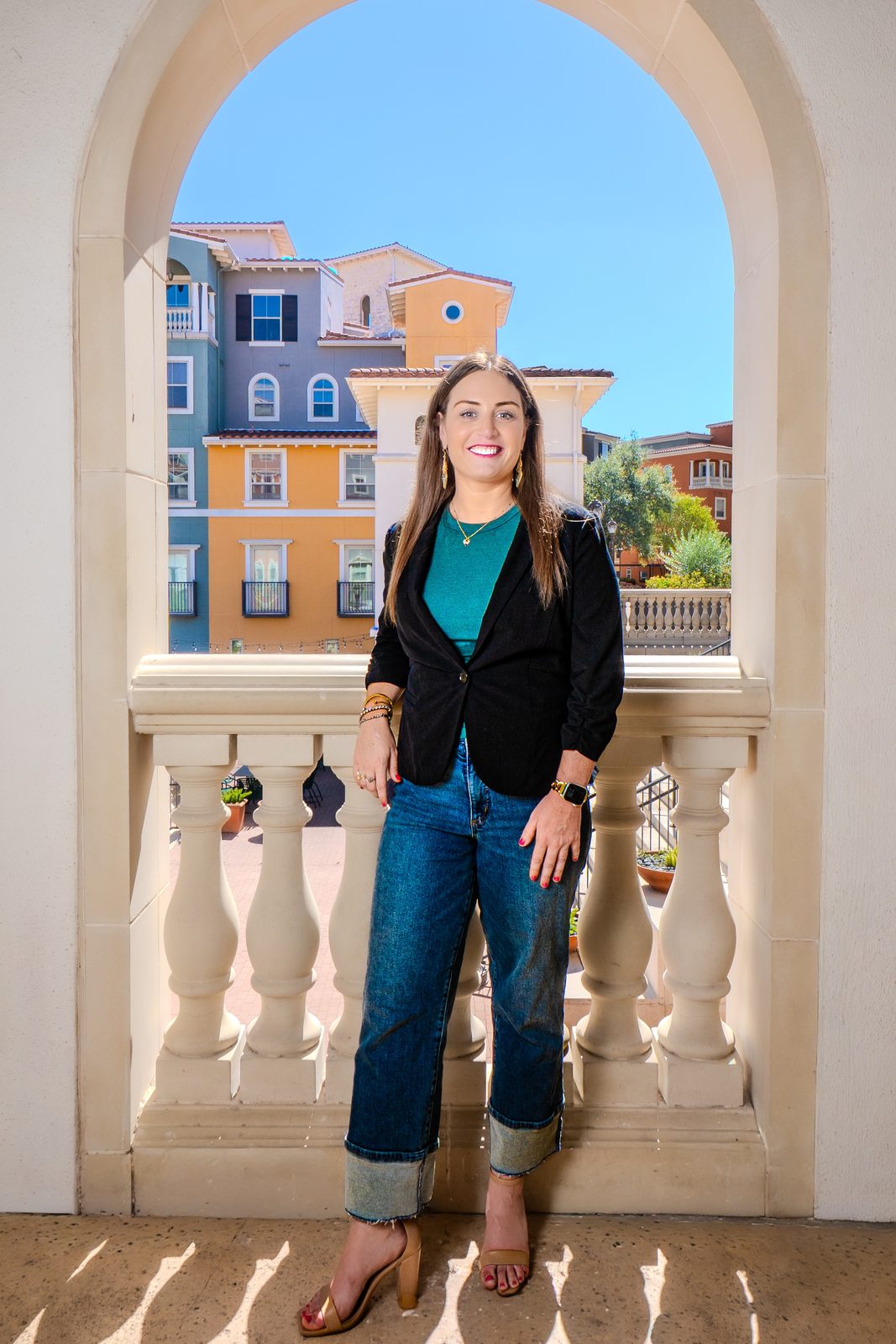
Rebecca Beebe
My biggest advice is to stop waiting until you feel completely ready. You can spend years researching, planning, and trying to anticipate every possible challenge, but there are…
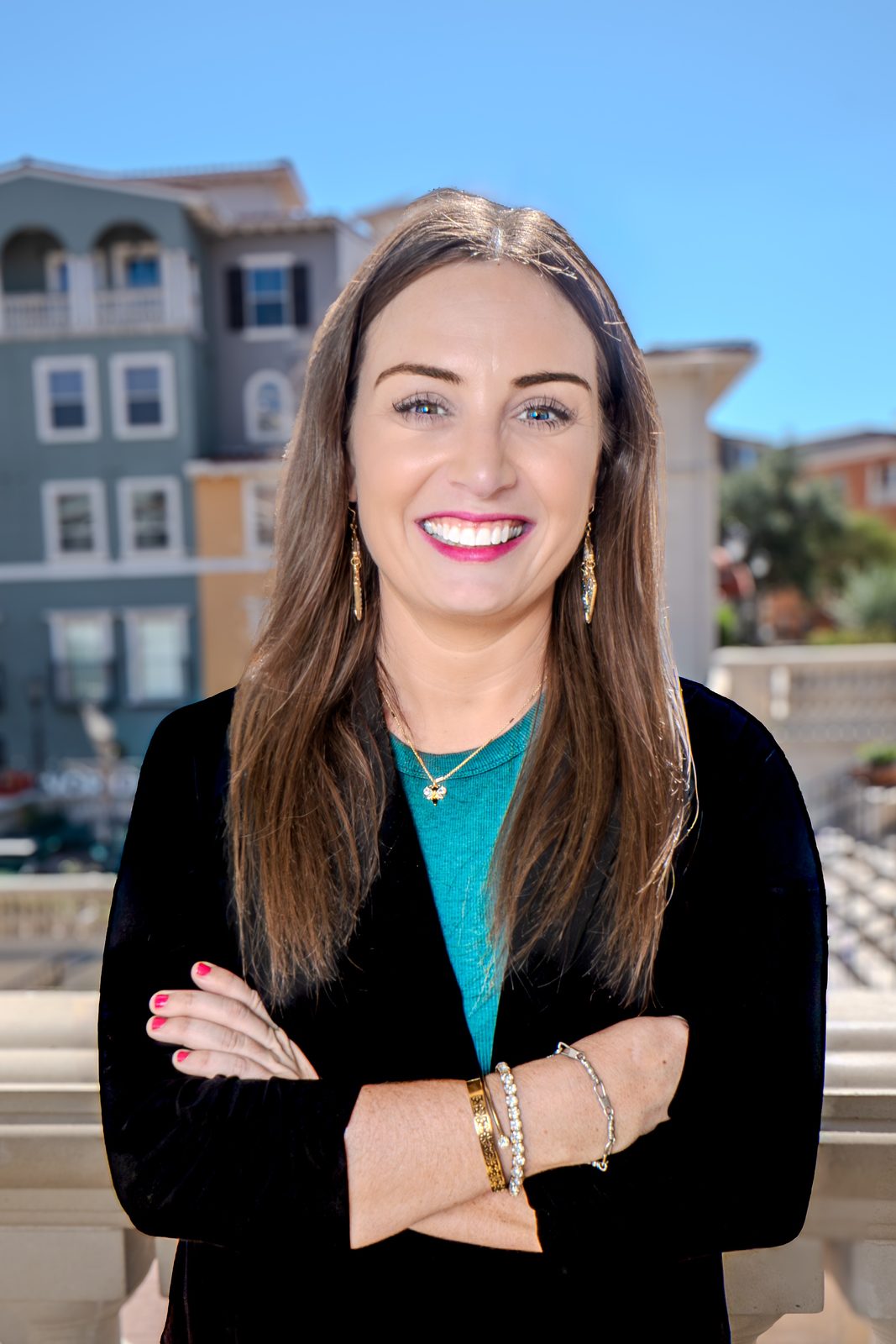
So nice to meet you! First off, what’s your name? Tell our readers a bit about yourself—where you’re from originally and where you live now.
I'm a Licensed Professional Counselor and the founder of Yellow Rose Counseling, LLC, a private therapy practice based in San Antonio, Texas. Before opening my practice, I spent over a decade working in education as a classroom teacher and school counselor before transitioning into clinical mental health counseling.
My background has given me a unique perspective on how stress, anxiety, relationships, and life experiences influence the way people think, feel, and function. I've always been passionate about helping people recognize their potential, overcome challenges, and build lives they feel confident navigating. Today, I get to bring that passion into my work as both a therapist and business owner.
Tell us one thing you love about where you live now.
One of my favorite things about San Antonio is how it combines the opportunities of a growing city with a strong sense of community. There's a genuine appreciation for local businesses, relationships, and supporting the people around you. As a small business owner, I love being part of a community where personal connections still matter. San Antonio has a unique character, and I'm proud to have built my practice here.
Tell us a little more about what your company does and how it started. How does it help your customers?
Yellow Rose Counseling is a private mental health practice that helps individuals navigate anxiety, ADHD-related challenges, chronic stress, burnout, perfectionism, and major life transitions. While I work with a variety of clients, my practice has become especially focused on helping working adults who appear to have everything together on the outside but privately feel overwhelmed, mentally exhausted, or stuck.
After years of working in education and mental health, I wanted to create a practice that reflected my approach to therapy: practical, collaborative, and focused on meaningful progress. I believe therapy should be more than having a place to talk about what's going wrong. It should also help people understand their patterns, develop useful skills, and feel more capable of handling the challenges in front of them.
That's what inspired me to build Yellow Rose Counseling. My goal was to create an environment where clients feel comfortable being honest about what they're struggling with while also being challenged and supported as they work toward change.
Today, I offer in-person counseling in San Antonio and virtual therapy for clients throughout Texas and Florida. Whether someone is struggling with anxiety, difficulty following through, unhealthy relationship patterns, or the pressure of trying to manage everything, I want them to leave therapy with greater clarity, confidence, and practical tools they can use outside of our sessions.
If someone wants to start a business, what advice would you give them?
My biggest advice is to stop waiting until you feel completely ready. You can spend years researching, planning, and trying to anticipate every possible challenge, but there are certain things you can only learn by actually starting.
Building a business has taught me that being good at your profession and knowing how to run a successful business are two very different skill sets. You have to be willing to learn about marketing, finances, customer experience, and the countless responsibilities that happen behind the scenes.
I would also encourage new business owners to be intentional about the kind of business they're creating. It's easy to get caught up in what everyone else is doing, but your business should reflect your values, your strengths, and the people you genuinely want to serve.
Most importantly, don't confuse slow progress with failure. Consistency, adaptability, and a willingness to keep learning will take you much further than waiting for the perfect moment.
What is one piece of feedback from a happy customer or client that you won't forget?
One of the most meaningful parts of being a therapist is watching someone begin to recognize their own growth. Sometimes the biggest breakthroughs aren't dramatic. They're the moments when a client realizes they're responding differently to situations that once completely overwhelmed them.
What stays with me most is seeing clients develop confidence in their ability to navigate challenges independently. My goal has never been for someone to need therapy forever. It's to help them develop the awareness, skills, and confidence to create meaningful changes in their own lives. Being part of that process is incredibly rewarding.
Where do you see your company in the future?
I see Yellow Rose Counseling continuing to grow into a practice known for providing practical, high-quality mental health care that helps people create lasting change.
One of my long-term goals is to expand beyond my individual caseload and create opportunities to mentor and support newer therapists entering the profession. There's so much that goes into becoming a successful clinician that isn't necessarily taught in graduate school, especially when it comes to building and managing a private practice. I'd love to create a mentorship model that helps emerging therapists strengthen both their clinical skills and their confidence as future business owners.
I also want to continue expanding the ways Yellow Rose Counseling reaches people, whether that's through therapy services, educational resources, or other opportunities to make mental health information more accessible.
Ultimately, I don't want growth to come at the expense of the personal, individualized experience that makes my practice special. I want to build something sustainable that creates a positive impact for both the clients we serve and the clinicians who become part of it.
What is the biggest misconception about your industry?
I think one of the biggest misconceptions about therapy is that you have to be experiencing a crisis or have a serious mental health diagnosis to benefit from it.
Many of the people I work with are successful, responsible, and capable individuals who are managing careers, relationships, families, and everyday responsibilities. From the outside, they may appear to be doing just fine. Internally, however, they may be struggling with anxiety, constant overthinking, perfectionism, or feeling like they're never doing enough.
Another misconception is that therapy is simply paying someone to listen to your problems. While feeling heard and understood is important, effective therapy can also be an active, collaborative process. In my practice, we identify patterns, establish goals, develop practical strategies, and work toward meaningful behavioral changes.
I want people to understand that seeking therapy doesn't mean you've failed at managing your life. Sometimes it means you're ready to approach things differently instead of continuing to repeat patterns that aren't working.
What has been one of your biggest struggles building your business, and how did you deal with it?
One of the biggest challenges has been learning how to transition from thinking like a clinician to thinking like both a clinician and a business owner.
When you enter the mental health profession, you're trained to assess, diagnose, support, and treat clients. You're not necessarily taught how to build a brand, market your services, manage business finances, navigate insurance systems, or create sustainable business operations.
Early on, I realized that being passionate about helping people wasn't enough to build a successful practice. I also had to learn how to make strategic decisions, understand the financial side of the business, and become comfortable promoting the services I offer.
I've approached that challenge by investing in education, seeking guidance when needed, and being willing to adjust my approach as I learn. Building Yellow Rose Counseling has pushed me outside my comfort zone in ways I didn't anticipate, but it's also helped me grow tremendously as a professional.
One of the most valuable lessons I've learned is that you don't have to know everything to be successful, but you do have to be willing to figure things out and take responsibility for the decisions you make.
Where can our readers learn more about you and your company?
Readers can learn more about Yellow Rose Counseling, explore the services I offer, and request an appointment by visiting www.yellowrosecounseling.net.
You can also connect with me on Instagram at @yellowrosecounseling, where I share practical mental health education, insights about anxiety and ADHD, and strategies for navigating everyday stress and emotional challenges.
Yellow Rose Counseling offers in-person therapy in San Antonio, Texas, as well as virtual counseling throughout Texas and Florida. I'm currently welcoming new clients and would love to connect with anyone who's ready to make meaningful changes in their life.